
Cannabis Derived Terpenes

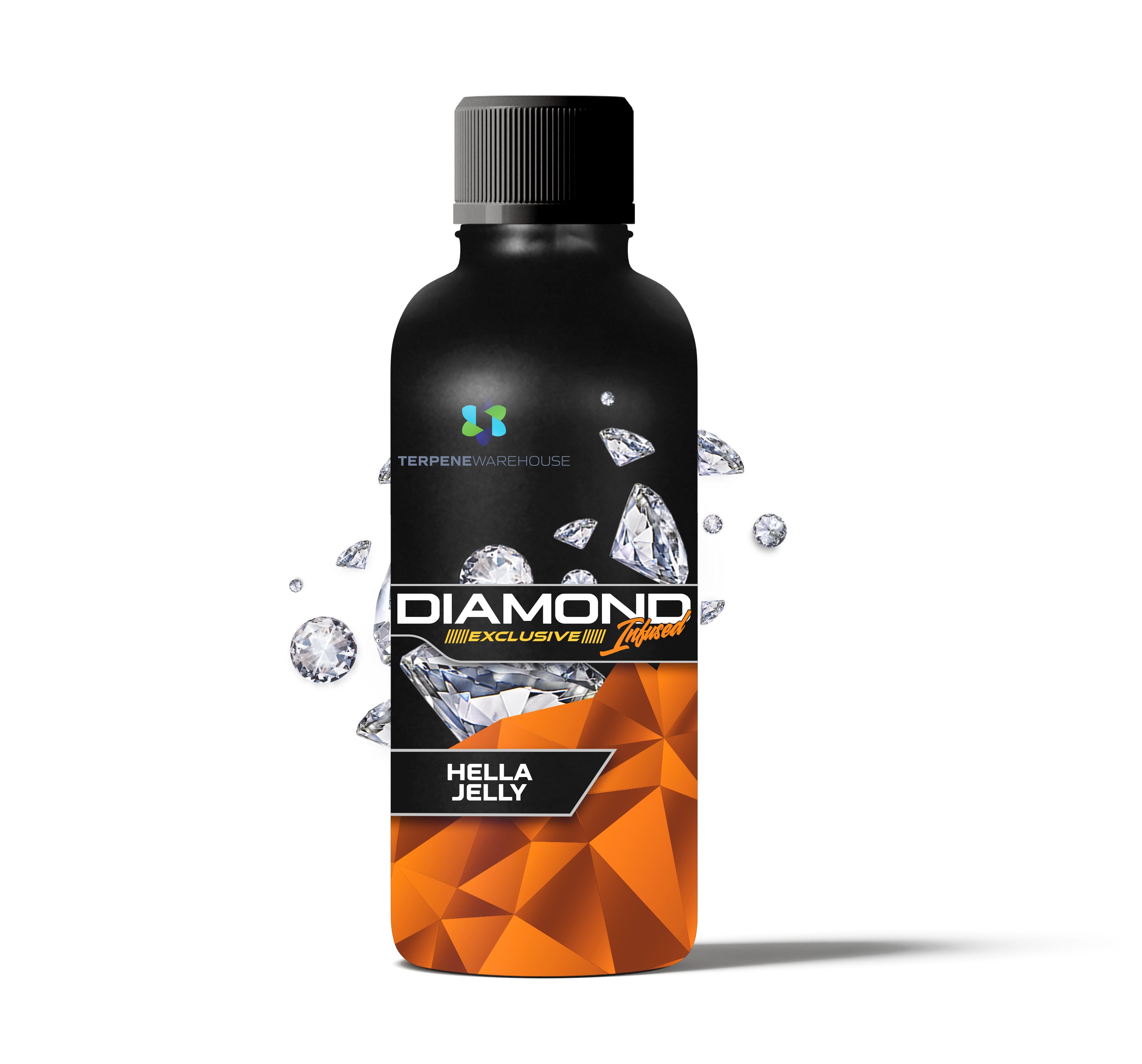
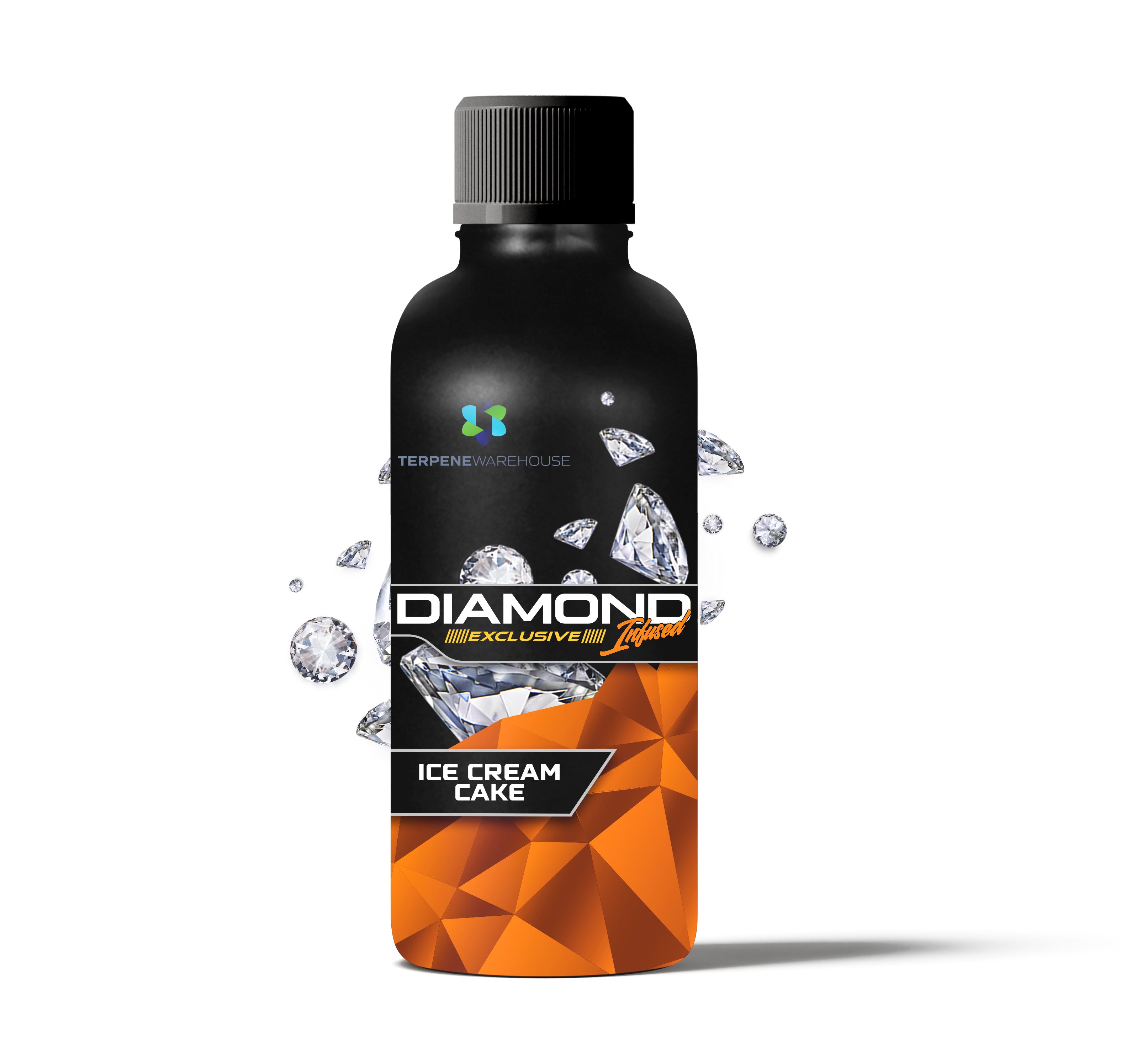
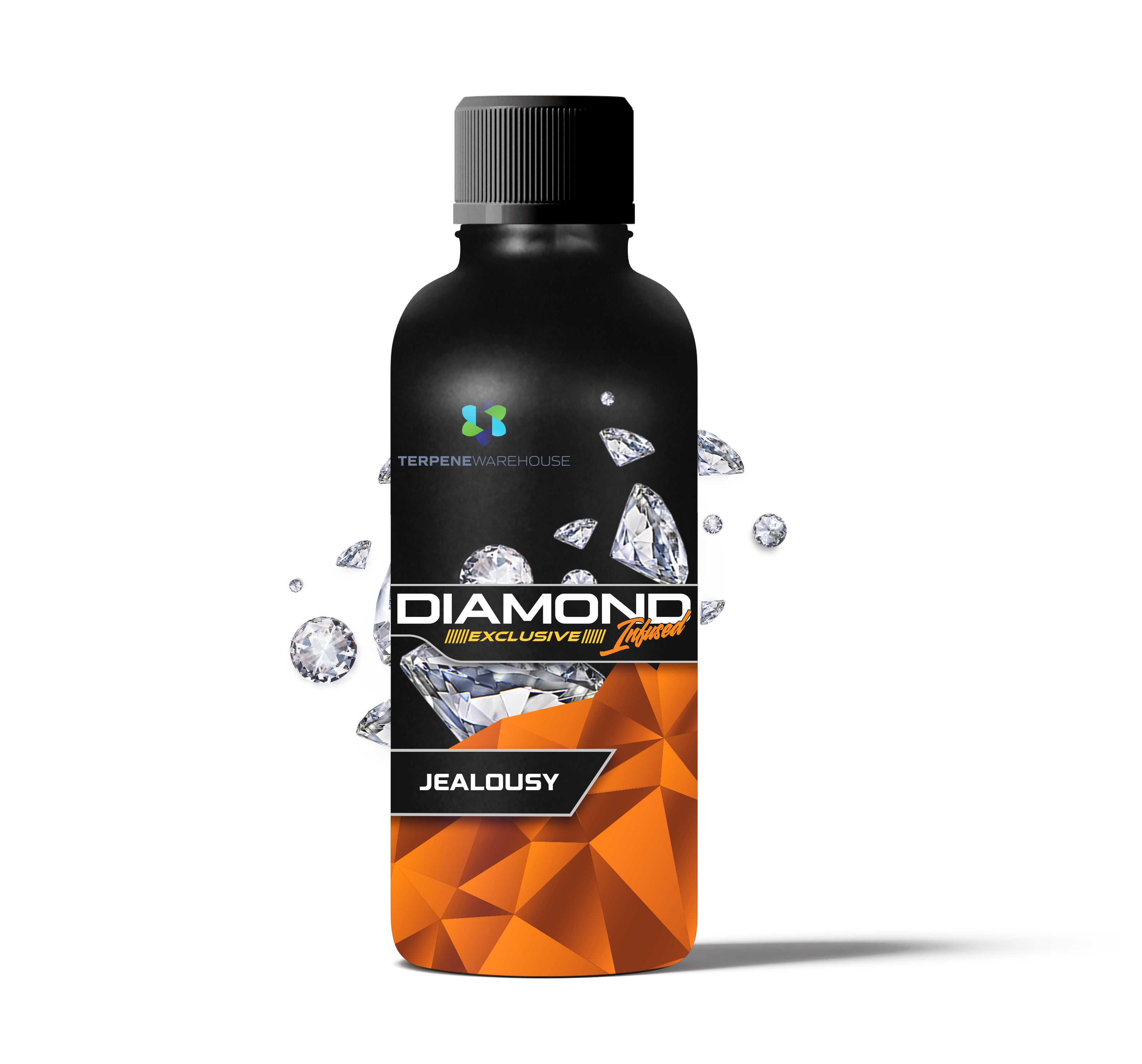
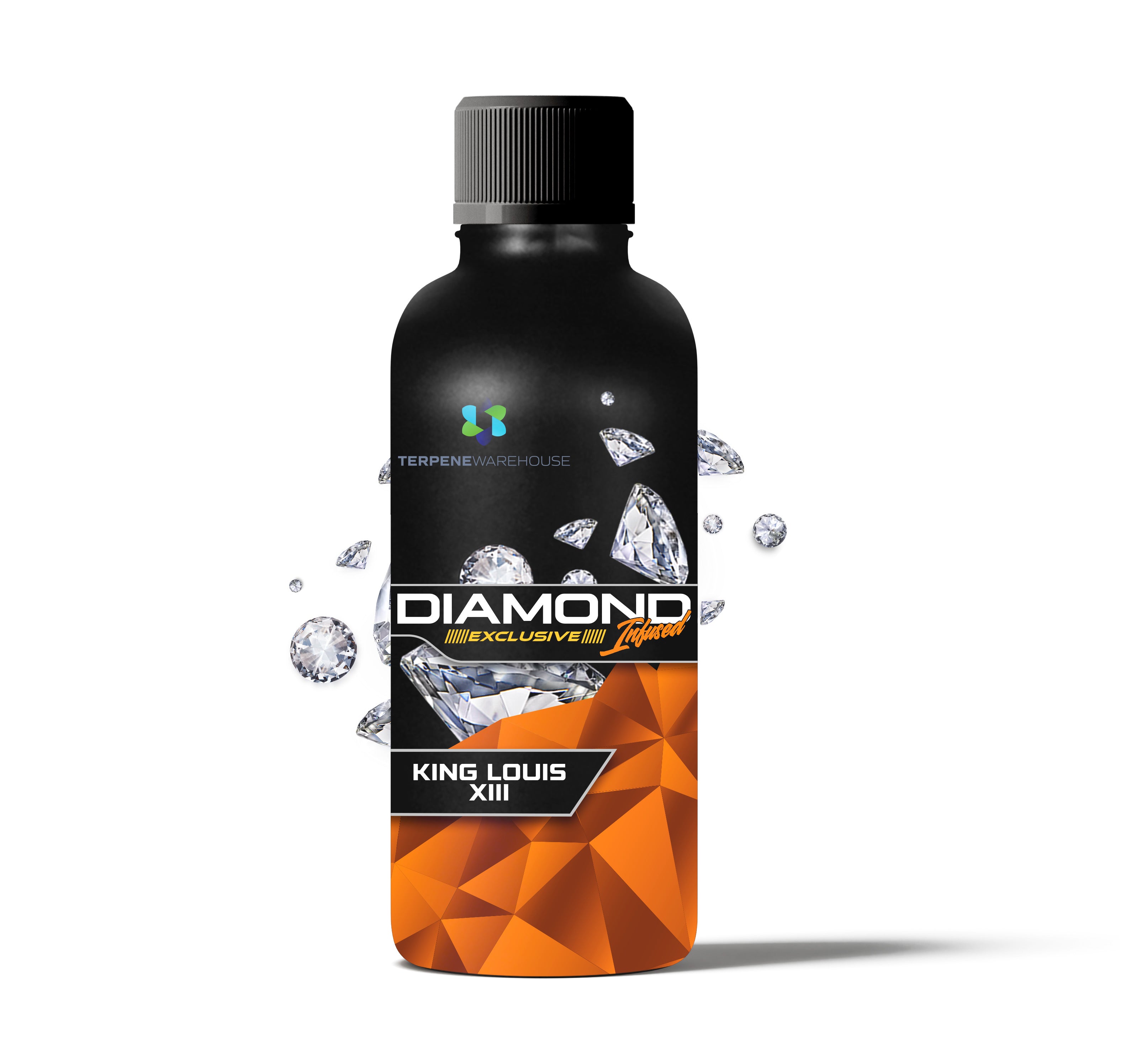
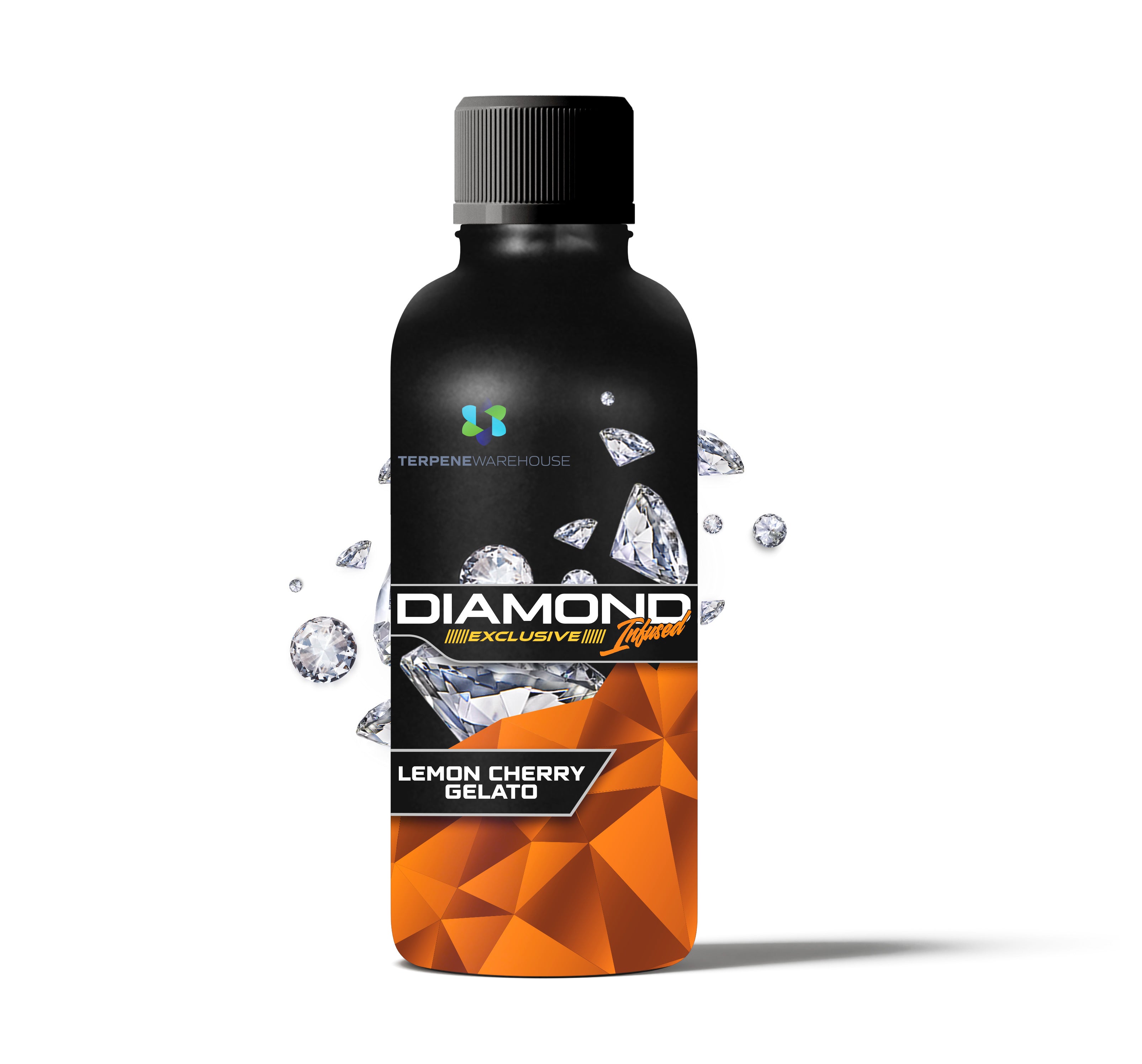
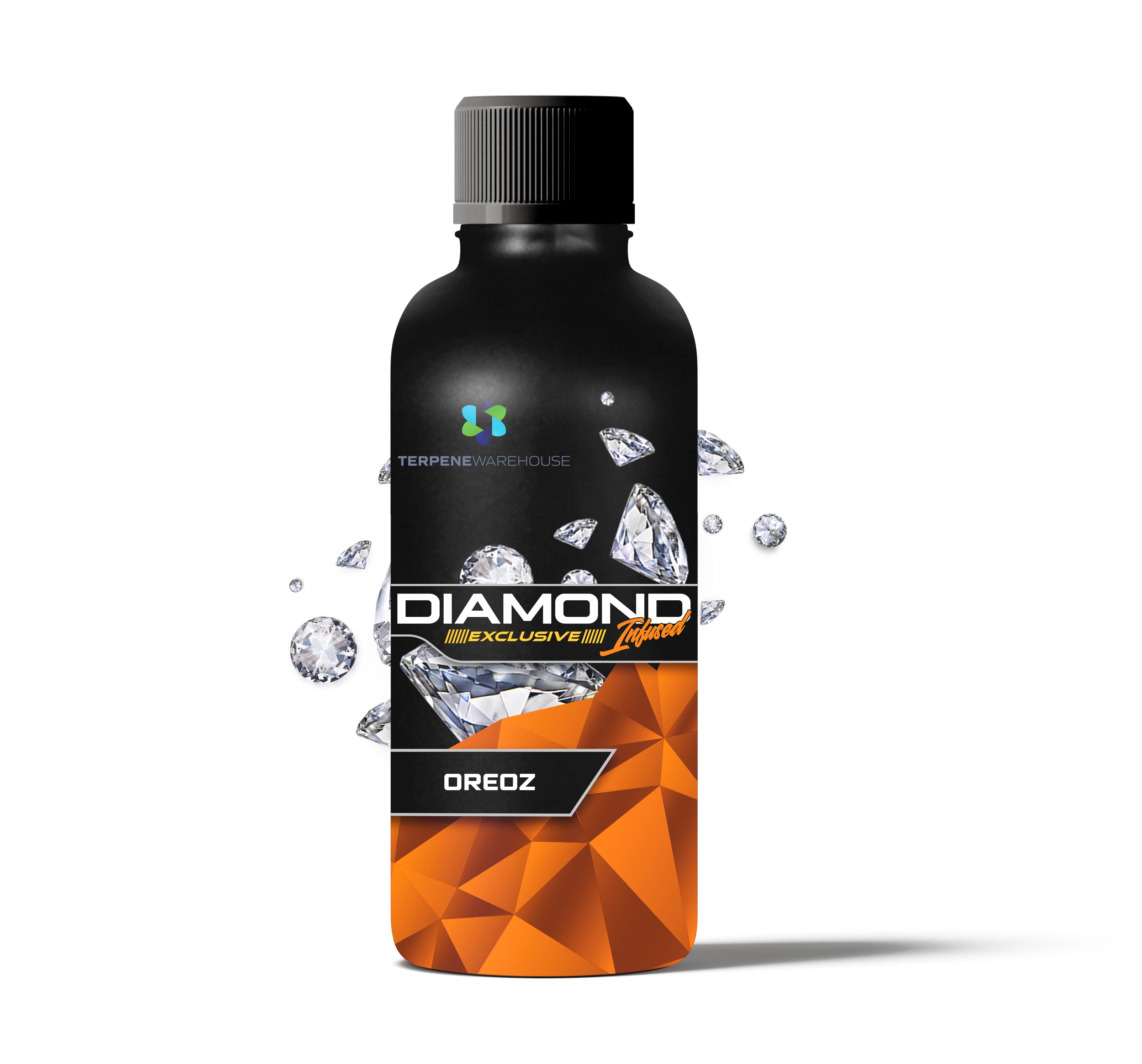
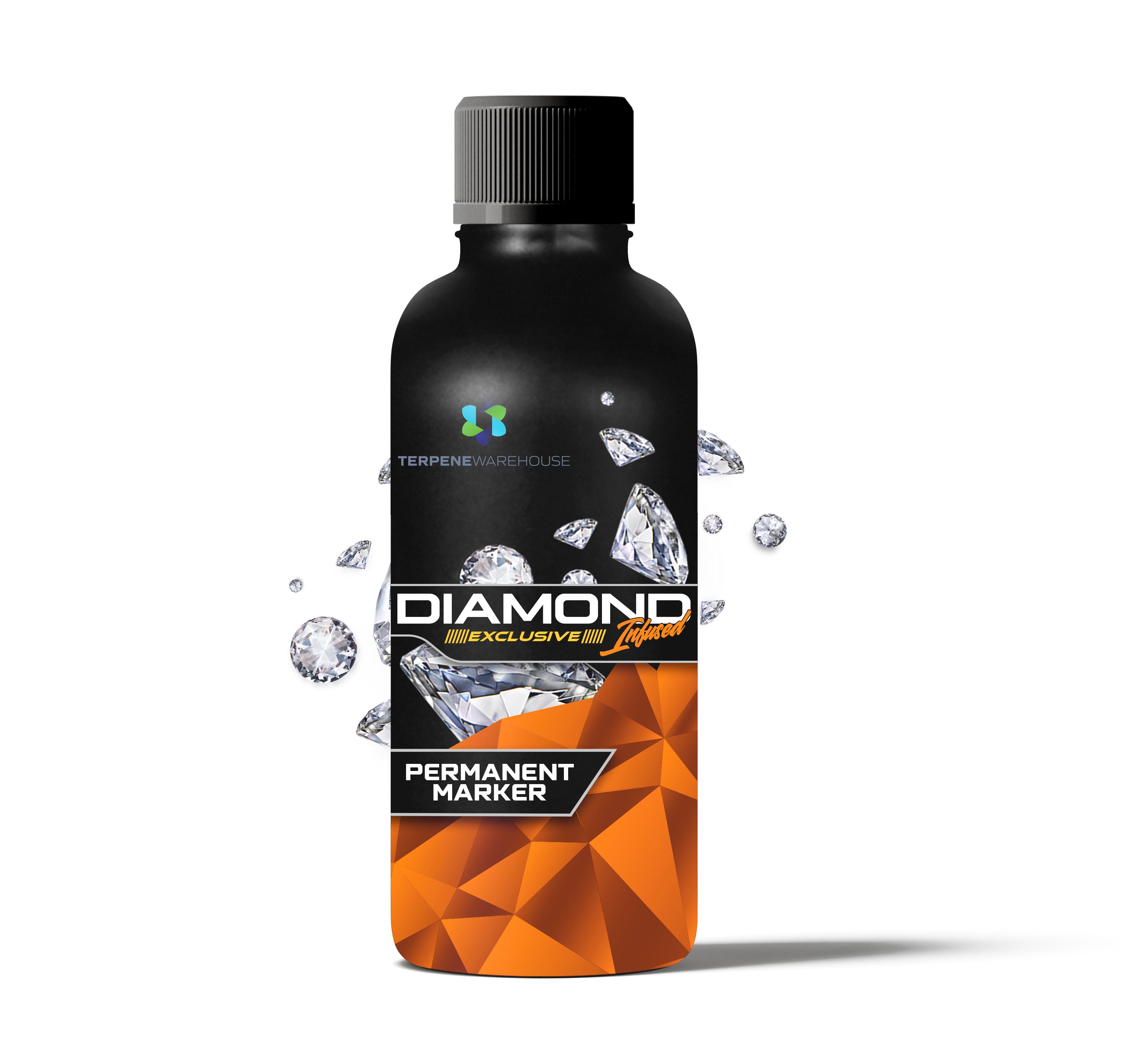
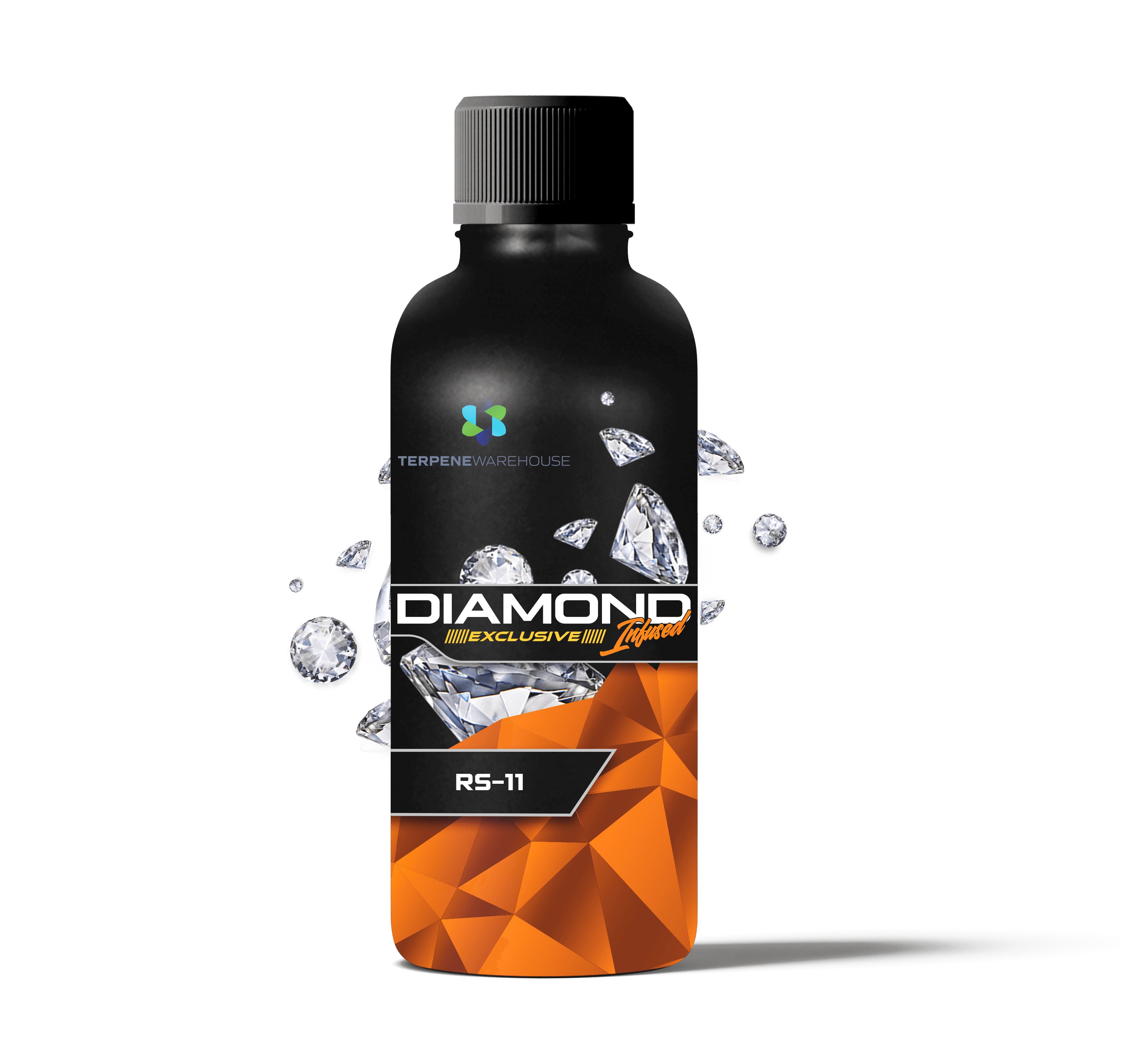
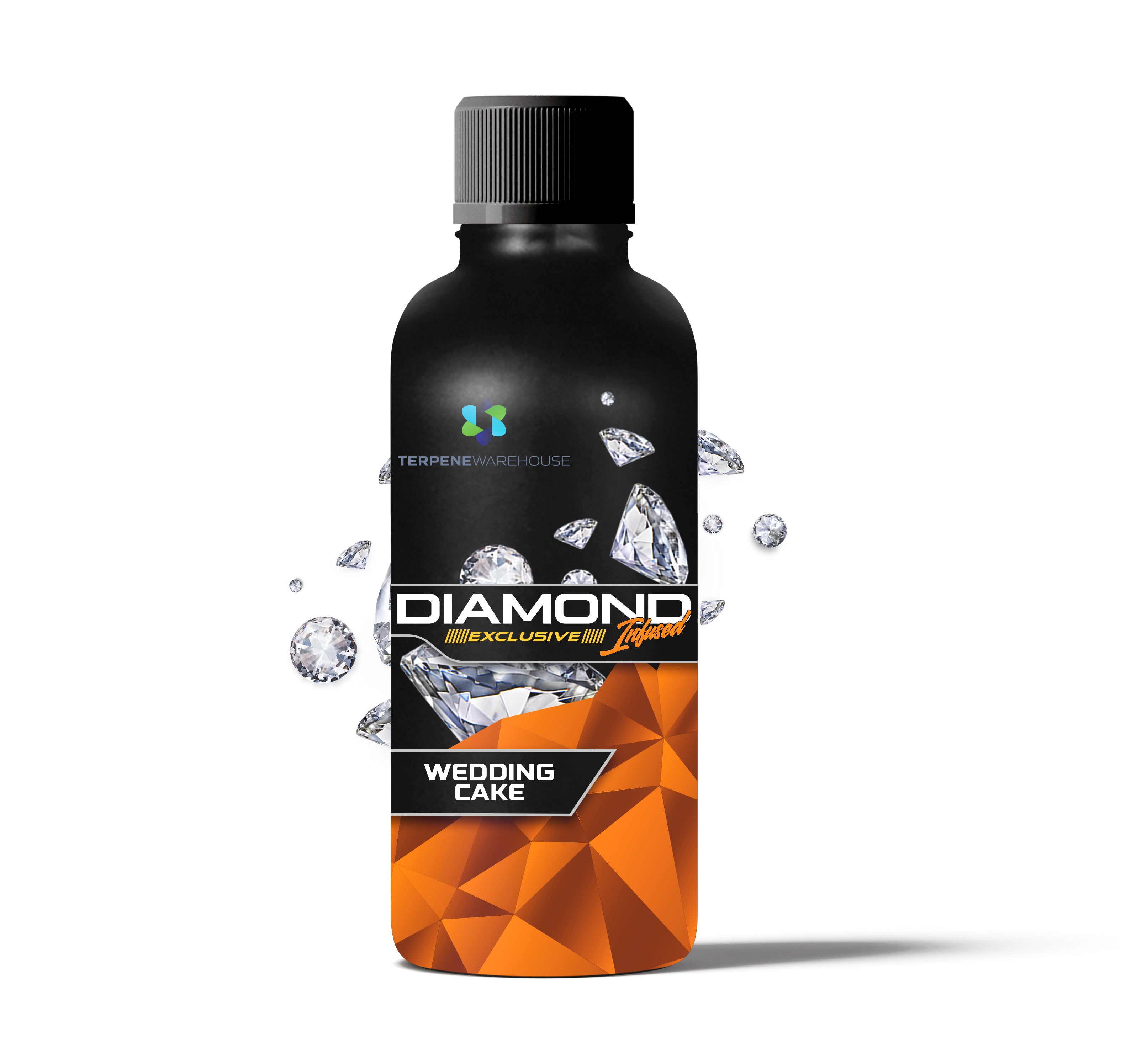
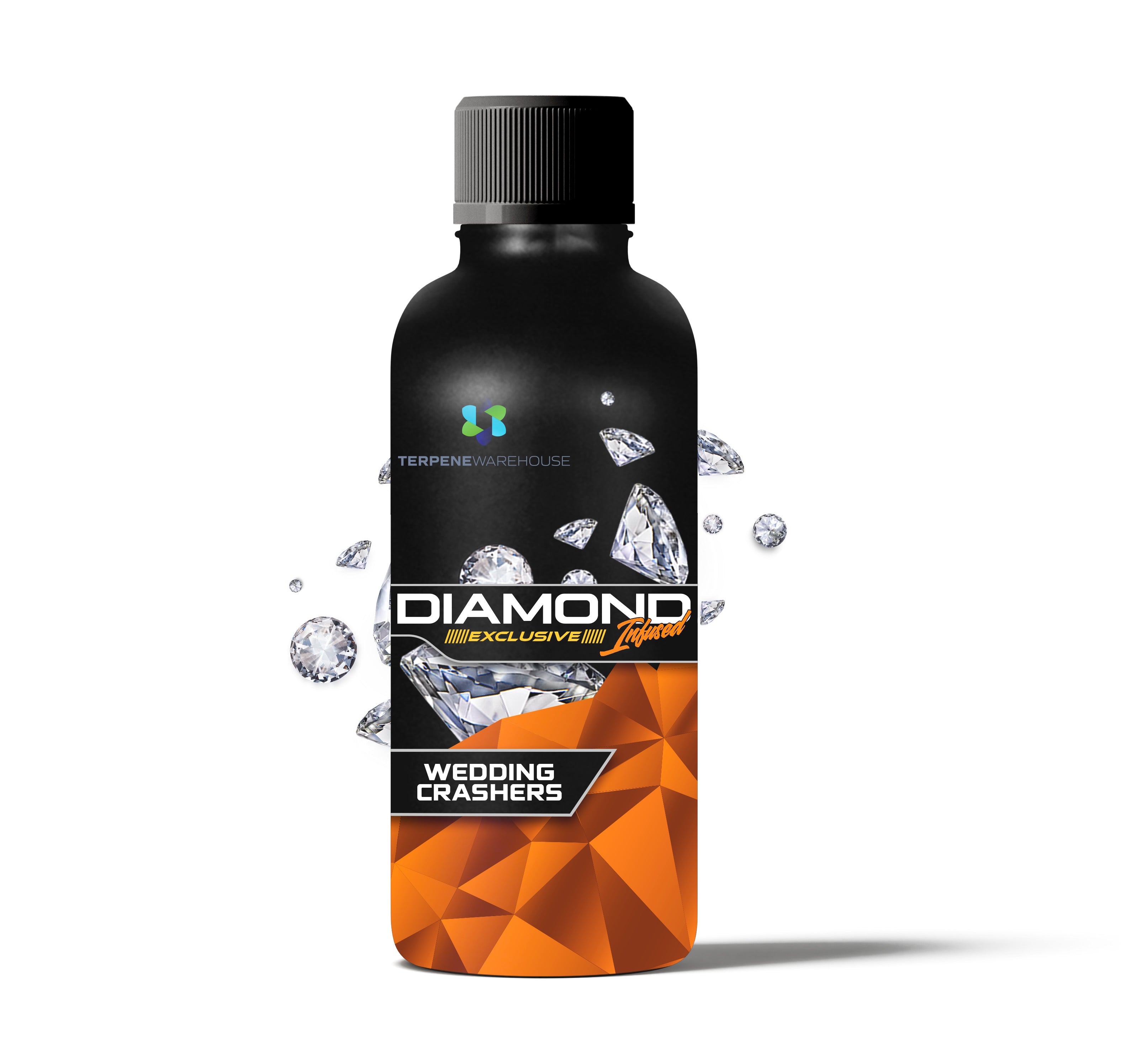
Diamond Infused

Whether popular opinion or not, the majority of the market is looking for the sweetest strains and flavors they can find and a smaller percentage truly appreciates that true natural taste. With our Cannabis Derived Terpenes - Diamond Infused Line, we have merged the best of both worlds by blending our unique naturally derived terpenes with some of our most intense fruity strains to create a product with the most well-rounded / high-impact flavors in the game.

Filters

$
to
$
11 products
Sort by
Sort by
Sale priceFrom $10.00

Key takeaways

Cannabis terpenes are naturally occurring compounds that contribute to the smell, flavor, and effects of cannabis products.

Recognizing the cannabis terpene profile tells you what kind of product to choose for your intended outcome or taste.

Quality signals such as third-party testing and precise cannabis terpene charts are indispensable for safe and effective use.

Various product formats, such as vapes, edibles, and tinctures offer different terpene experiences: pick according to onset and duration preferences.

Correct storage, mixing and dosing are all crucial factors in getting the most out of your marijuana terpenes

What are marijuana terpenes?

Marijuana terpenes are aromatic oils that give off scents and flavors of different strains to the cannabis plant profile. They’re not exclusive to cannabis; they exist in many plants, but the particular combination of terpenes in marijuana accounts for each strain’s characteristically distinct aroma and flavor.

People care about marijuana terpenes because they can play a role in the overall experience, affecting factors like effects felt, taste and even how cannabinoids like THC are absorbed. Through knowledge of terpene profiles, consumers can make better-informed decisions about which products may be right for them.

How do marijuana terpenes work?

Terpenes also work with cannabinoids (such as THC and CBD) to interact with the body’s internal endocannabinoid system, a communications network that manages balance in various physiological processes. It is this action that accounts for the so-called “entourage effect,” in which terpenes and cannabinoids work together to lend users a particular experience.

Other marijuana terpenes like pinene or citral also produce their own individual smell and can play a role in the perceived effects of different strains. For instance, some vitamin D-rich strains might be conceived of as uplifting or energizing to some people while other terpene profile charlatans feel more down-tempo-everyone’s experience is different.

By paying attention to the cannabis terpene chart, or by understanding information on a cannabis terpene wheel, you can infer what specific terpenes are in your product and potentially ascertain which flavors or experiences it may have. This information gives consumers a chance to make informed decisions rather than playing guessing games.

Read More

Key benefits of marijuana terpenes

  • Enhance taste and scent of marijuana, so you would enjoy both.
  • Personalize with your own cannabis terpene profiles.
  • May contribute to the “entourage effect” when mixing with THC or CBD.
  • Use cannabis terpene charts and testing results to select more relevant strains.
  • It can be used for blending or making homemade cannabis products.
  • Back up a more educated purchasing decision with specific cannabis terpene testing and profiles.
  • Create transparency in the market with cannabis product ingredient information.
  • Provide different flavor varieties, such as citrus-like to piney ones (citral and pinene respectively), for a variety of product experiences.

Products that contain marijuana terpenes

Vape cartridges:

Fast acting and strongly flavorful; they’re in demand because of their ease of use, potency.

Diamond-infused concentrates:

For experienced consumers looking for intense effects and flavor.

Gummies:

Give gummies a little something extra; take longer to hit but last longer.

Tinctures:

Liquid drops that can be consumed under the tongue, or placed in food/drink.

Topicals:

Applied directly to the affected areas and are commonly selected for localized application and scent.

Dried flower:

Naturally contains terpenes; flavor and aroma vary by strain and curing technique.

Pre-rolls:

Rolled joints that offer a view of the strain’s terpene profile.

Terpene isolates: Super concentrated terpenes for DIY mixing or custom blends.

Infused oils:

For cooking uses, beauty or taught use as carrier in other products.

Marijuana terpenes vs other options

marijuana terpenes vs botanical terpenes: Terpenes can be extracted directly from cannabis plants (marijuana terpenes) as well as from other plants like lemons or pines (botanical terpenes); cannabis-derived terpenes will offer you a more genuine, pure-cannabis taste but might come at higher cost.

marijuana terpenes vs synthetic terpenes: Synthetic terpenes are not from the plant and can replicate smells in a lab, but for many users don't have the complete, full-spectrum profile of marijuana terpenes and therefore don’t tell the whole story.

marijuana terpenes vs plain THC distillate: THC distillate is strong, but tasteless and without an aroma; by adding marijuana terpenes it's possible to change the user experience, by re-introducing strains specific flavors left behind during extraction.

marijuana terpenes vs whole-plant extracts Whole plant extracts provide terpenes, cannabinoids and other aspects of the entourage effect while extracted marijuana terpenes enable more specific customization and mixing.

Quick Terpene comparison guide

The below table outlines the key differences between popular cannabis product options to help you choose what form and from which source best aligns with what matters most when it comes to flavor, experience and customization.

Option Best for What to expect Things to consider
Marijuana Terpenes Authentic cannabis flavor, full-spectrum experience Complex aroma, customizable blends May be pricier; check lab results for purity
Botanical Terpenes Affordable flavoring, general use Similar aromas, less complexity Not cannabis-derived; may lack “entourage effect”
Synthetic Terpenes Consistent, cost-effective flavoring Simple, reproducible flavors Not natural; may miss nuanced effects
Whole-Plant Extracts Full-spectrum benefits, minimal processing All plant compounds intact Less control over individual flavors/effects

Understanding Cannabis Terpene Charts

Cannabis terpene charts, or weed terpene charts list the most frequent terpenes in popular strains and their reported aromas or effects. The charts are designed to allow users to compare strains and select which products with the profiles they desire. For instance, a chart could illuminate pinene for piney notes or citral for citrus flavor. Investing in a cannabis terpene chart is an easy way to break down what you’re purchasing and eliminate the shock factor.

How to read a cannabis terpene profile

Terpene Profile List Cerebral Profile Terpenes A listing of any terpene, as to concentrate values, that is contained in a product. Profiles give you an idea of what aromas and flavors to anticipate, and can offer a tantalizing tease. For instance, a high myrcene profile might deliver earthy and musky notes, and limonene would provide citrusy freshness. Don’t forget to check out the profile first in order to be sure that it matches you.

Differences in Terpene Effects Among Various Cannabis Strains

Various strains provide different terpene combinations, which contribute to individual flavors and perceived effects. For example, OG Kush is known for a terpene profile that many users would describe as relaxing, whereas Jack Herer’s rich in pinene and feels uplifting to some. To visualize these differences and steer your selection, employ a cannabis terpene wheel.

Marijuana Terpenes vs. Botanical Terpenes: What’s the Best?

marijuana terpenes are derived from the cannabis plant so this is strain specific true strains unlike botanical terps that might be from a different flower and plants. If you value pure marijuana flavors, terpenes belonging to the cannabis plant are for you; looking to save on cost or focus on general flavoring, botanicals come recommended. The correct pick will depend on your personal balance of the purity of flavor vs. cost.

Signs You Should Look for in Cannabis Terpene Testing

Accurate cannabis terpene testing  A product will be able to share the exact profile and percentages of terpenes in that product which is not possible otherwise without a trustworthy test. Find batch-specific certificates of analysis  COAs from third-party labs demonstrating purity and potency. Stay away from products that do not disclose test results, as they may contain inferior ingredients or additives.

Spotting High-Quality Marijuana Terpenes

  • Check for clear, up-to-date COAs.
  • Seek full ingredient disclosure, as well as source information.
  • Believe in products with open extraction and storage information.
  • Opt for companies with correct packaging to keep it fresh.
  • Good quality cannabis terpenes smell fresh, dynamic and are free from artificial contaminants. Only purchase from reputable sources that clearly label and lab test their products.

Red Flags to Watch Out For

  • No lab results or expired COAs.
  • Unclear or generic ingredient lists.
  • Cloudy, discolored, or foul-smelling terpenes.
  • Prices too good to be true, for “cannabis-derived” claims.
  • If a product smells strange or isn’t transparent, skip it. Quality must always take precedence over cost.

Combining weed terpenes for a custom blend

Blending terpenes allows you to combine unique flavor profiles to match your preference. Begin with small quantities, two to three terpenes, and smell along the way. Always err on the lower side of measurements- a little bit will get you far. Limonene and myrcene, for instance, can be combined to create a sweet, earthy scent. Save your ratios so you have them on hand for the future.

How to Store Terpenes 

  • Storage and Stability of Terpenes 

  • You’ve selected a winning recipe, you found the best method for cannabis consumption, how can you make sure the integrity of cannabinoids is protected long-term?
  • Store in airtight, glass containers.
  • Store out of light, heat and air.
  • Date and list contents on the container labels.
  • If possible, refrigerate for an extended shelf life.
  • Storing properly helps to maintain a fresh aroma and potency. Compare that to flower, which can lose terpenes more quickly if it’s improperly stored.


Picking the Right Format: Edibles or Vapes

Vapes provide a quick onset and little flavor, edibles a slower one along with lots of taste. If you’re looking for immediate effects and potent scent, opt for vapes; if you need greater duration of effect and more delicate taste, edibles are likely best. Choose the format that best reflects your own personal goals.

How Do You Use a Cannabis Terpene Wheel?

The cannabis terpene wheel provides a pictorial description of some common terpenes and what they smell like. Use it to rapidly determine which terpenes are associated with scents such as citrus, pine or floral. For instance, the wheel may indicate that pinene is connected to pine, and linalool implies lavender. This is a tool for making educated flavor decisions.

Matching Terpene Profiles to your Needs

Various terpene profiles in cannabis can provide different support for a number of experiences. For instance a limonene-profile may be selected for its invigorating scent, or myrcene is picked for it's woody aroma. Look at the product’s terpene profile and compare it with a cannabis terpene taste chart for similarity that fits your taste.

THC and Terpenes: Working Together

The major psychoactive cannabinoid in pot is THC, but terpenes can influence how the experience feels overall. A product that contains both THC and a full terpene profile will generally have a richer, more complex taste and smell. By contrast, plain THC distillate lacks flavor which is why terps are added in for a sense of the senses.

Interpreting a THC Terpene Chart

A THC terpene chart matches cannabinoid content with corresponding levels of terpene, showing probable effects and taste. For instance, a chart might illustrate a strain that’s high in THC with limonene, indicating potency and citrus notes. Consult these charts to find the right choice before making your purchase.

Extraction of Cannabis Terpenes

CO2 extraction will do a better job of preserving fragile terpenes, where as steam distillation might lose some scent. CO2 is perfect for full-spectrum profiles; steam is cheaper but more generic. Opt at extraction techniques that correspond to your quality and taste based requirements.

Cannabis Terpene Guide: What You Need to Know

  • Pinene: Piney, fresh scent-much of it in sativa.
  • Limonene: Citrus scent-often paired with invigorating taste.
  • Myrcene: Earthy, musky-dominant in the relaxants.
  • Citral: Bright, lemony-it’s in a lot of hybrid strains.
  • Pulegone: Minty, herbal-less frequent but unmistakable.
  • Knowing these fundamentals would make shopping and experimenting a lot easier.
  • Knowing Everything about the Marijuana Terpenes for Sale Online
  • When you purchase terpenes online, be sure to seek out thorough product descriptions, terpene charts and third-party test results. Trustworthy brands are fully transparent, so you can confidently compare your options. Feel free to contact sellers with questions about sourcing or testing.

How to Use Cannabis Terpenes in DIY Products

It is also really gaining in popularity to add terpenes to home-made edibles, tinctures, or vape juice. For what it’s worth, you should begin with just a drop or two per batch, and taste-test as you mix-remember that you can always add more spice if things feel too bland. When it comes to vapes, you should only be using food-grade, cannabis-derived terpenes in order to guarantee safety and quality. Be sure to always write out your recipes for record keeping.

Why Terpene Levels Differ From Batch To Batch

Things such as growing environments, when it’s harvested, and how it’s cured can drastically change this number for cannabis. For instance, outdoor-grown weed can have a different profile than indoor even if they share the same genetics. For the most accurate information please check batch specific COA.

Flower vs. Concentrates Terpenes, What’s the Difference?

Flower has the widest variety of terpenes and concentrations often have exaggerated or isolated terpene profiles. If you want the kind of complex, layered aromatics flower is king; for simple bold flavors concentrates do best. When you offer either of these choices, keep in mind your taste and desired effect.

Checking the terpene profile and content on an edible package

Search for clear terpene percentages and a breakdown of the major contributors on the label. Top terpenes (i.e., pinene, limonene, citral) and ratios appear on the list of high-quality products. Be wary of label or marketing language that is vague and filled with buzzwords but devoid of specifics.

How Cannabis Terpene Extraction Works

Extraction techniques such as cold-press, CO2 or steam distillation are used to isolate terpenes from the cannabis plant. The two processes have different impacts on flavor, purity and cost. CO2 is favored to keep the entire terpene spectrum, while steam may serve better for single terpene isolates.

Using Terpenes to Complement Cannabinoids

Terpenes, too, play a role in driving the overarching sensory experience that also can be influenced by cannabinoids such as THC and CBD. For example, a citrusy terpene might be mixed with a THC tincture to create a refreshing, uplifting flavor. Never mix in too much and remember your successful mixes for the next time.

Pulegone Cannabis Terpene Pulegone Cannabis terpenes typically have a strong, mint flavor and aroma that give way to cool minty undertones.

Pulegone has a minty, herbaceous odor very different from the more typical terpenes myrcene or limonene. It’s not as common for commercial strains, but for a custom blend it can be cool. Pulegone should be used sparingly-it has a heavy taste that can overwhelm other notes.

Understanding the Entourage Effect

The entourage effect often describes the way that cannabinoids and terpenes interact with one another to produce richer, more complex effects. For instance, a strain with equal amounts of THC and having a range of different terpenes might feel smoother or richer overall than specific studies that used only isolated THC. Try to find the combination that works best for you.

The shelf life of Terpenes : How long do they last?

That’s complicated, because most terpenes are so volatile they can spoil within months if not kept appropriately. Glass bottles, cool temperatures and lack of air exposure maximizes shelf life. Always look for differences in color or smell before you use-depending on the terpene, fresh ones produce the best results.

How The Cannabis Terpene Flavor Chart Can Help Make The Right Choice For You

A marijuana terpene flavors page emphasizes taste and smell, while an effects infographic lightens the mood with short descriptions of user-reported highs. Utilize flavor charts to correspond with preferences and effects charts to correlate the experience you are seeking. Together, the two tools equates to wiser product decisions.

Why Some Cannabis Terpenes Are Priced Higher

Cannabis terpenes are usually far more expensive, as there is less availability and the extraction process is more complicated. On the other end of the pricing spectrum are botanical or synthetic terpenes, which cost less but may not have the subtlety and truthfulness in flavoring. Choose between true cannabis flavor or the price point.

Format comparison Terpenes

The format you choose-edible, vape, tincture, topical-alters how quickly the flavor hits and for how long. Here’s how the open of each format compares for onset and duration of the terpene experience:

Format Onset Duration Best use
Edibles Thirty to ninety minutes Four to eight hours Long-lasting effects, subtle flavors
Vapes One to five minutes One to two hours Fast onset, bold flavors
Tinctures Fifteen to forty five minutes Two to four hours Versatile dosing, moderate flavor
Topicals Varies Varies Localized use, aroma-focused

What affects results?

  • Terpene concentration and blend
  • The product format (edible, vape, tincture etc.)
  • Source:  cannabis-derived versus botanical or synthetic
  • Extraction method used
  • Storage conditions and shelf life
  • Personal body chemistry
  • Existence of cannabinoids(TCH,CBD, etc.)
  • Batch consistency and lab testing
  • Combining with other products or substances
  • Dose and frequency of use
  • Terpene quality and purity

The safe use of marijuana terpenes

  • Always use lab-tested, food-grade terpenes.
  • Begin with small amounts, and build up gradually.
  • Always read labels and ingredient lists.
  • Keep away from heat, light and air.
  • Dilute to taste; never use full strength.
  • Keep out of reach of children.
  • Do not overheat terpenes.
  • If uncertain about mixing or application consult a professional installer.
  • Do not use poor or expired color terpenes.
  • Do not ever misuse terpenes.
  • Keep and discard any unused or old terpenes safely.

Watch for a reaction, if any discomfort occurs discontinue use.

How to use cannabis terpenes: a step-by-step guide

Step 1-Know what you’re wearing

 If people know enough about guns to ask where we store our firearm, it means they have some basic knowledge about how a firearm works and that makes me much more comfortable when I know at least some aspects are covered.

Check the label and product description to ensure they are cannabis-derived terpenes. Find out the dominant terpenes in your product-for example, pinene or citral or pulegone-and what its standard smell is and reputation.

Step 2-Use your eyes to evaluate purity standards and see the.

Check purity, potency and look for contamination on a Certificate of Analysis (COA). Choose only products with current, third-party laboratory results that coincide with the batch number on your package.

Step 3-Begin low and increase slowly

Start with the smallest dose, especially when using it to mix edibles, vapes or concentrates. Terpenes are strong-use a dropper to accurately dose increases, and hold off until you feel the effects before increasing.

Step 4-Align formats with your intention

Choose your product format depending on when and how long you want effects to start. Vapes are for short bursts of flavor and heightened energy; edibles are for subtler, longer-lasting effects. Example: Add terpenes to vape juice for quick effects, or infuse into oil for edibles that ‘kick’ in slowly.

Step 5-Observe and document

Record the flavor, smell, and any user-reported effects in a journal-or, better yet, in an app. Tracking allows you to discover what terpene profiles works best for your needs.

Step 6-Construct a repeatable schedule 

Once you’ve found your perfect blend and dose, be sure to stick to a schedule. Apply the similar scale and manner with every test for predictable results.

Step 7-Refine over time

Check your notes from time to time and try new terpene mixes or delivery methods to further adjust your experience. Adapt for preference, product quality or desired effects.

FAQ

Among the most prevalent terpenes in cannabis are myrcene, limonene, pinene, linalool and caryophyllene. Each contributes a distinct odor and flavor-myrcene is earthy, limonene is citruslike, pinene smells like pine needles. The unique mix in any strain that makes up its flavor and experience can vary, so look for the label or lab results to find a full breakdown.
Begin by determining what flavor and smell you like-consult the cannabis terpene flavor chart or wheel for ideas. Then pair your choice to the experience you want: Limonene-heavy blends are popular for their bright citrusy character. Be sure to read lab reports for terpene content and purity, and start with small amounts before making a significant investment.
Yes, plenty of people add marijuana-derived terpenes to concentrates, vape liquids, edibles or tinctures for flavor and aroma customization. Only use food-grade, cannabis-derived terpenes, and start small-sometimes just a few drops can really change the final product. As always, be sure to start with a small amount and record your recipes should you need it for consistency or recalls.
TerpHouse is a leading producer of food and cosmetic grade terpene profiles, for brands in vape, gummy, beverage, topical and aromatherapy sectors. Our team specializes in effect-based, strain-specific and custom terpene profiles ranging from pilot batches to national roll-outs.
COA-driven quality on EVERY batch including identity, purity, and contaminant testing Scalable, dependable supply chains designed for local, national and global launches. Creation of proprietary terpene blend based on signature flavors, aromas and effects. Food grade and cosmetic grade for use in multi- category product lines. Pesticide-free and organic source options for clean label and premium SKUs. R&D and formulation technical support to secure stability and great sensory properties.
cannabis terpene