
Terpenes For Pain

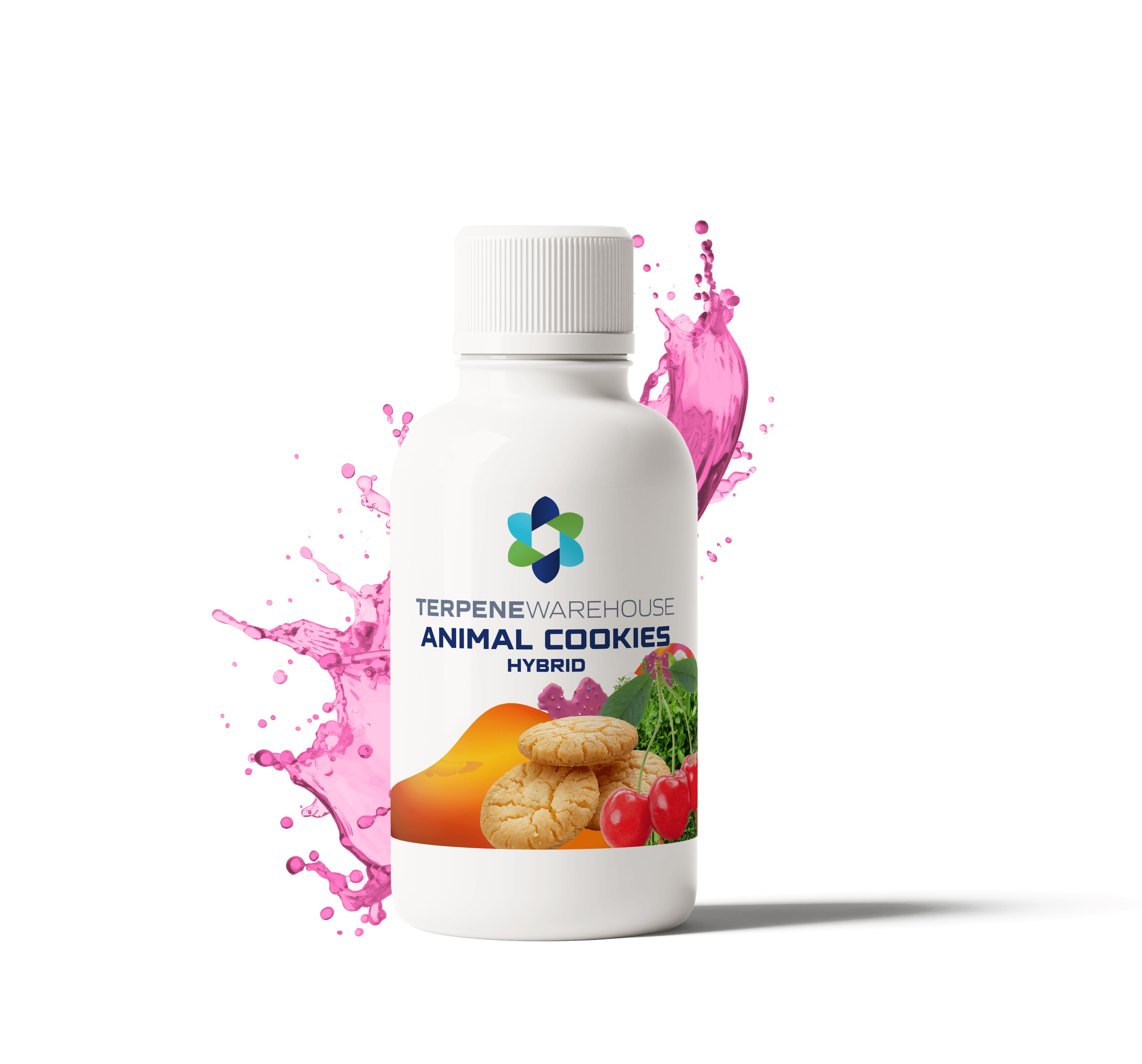
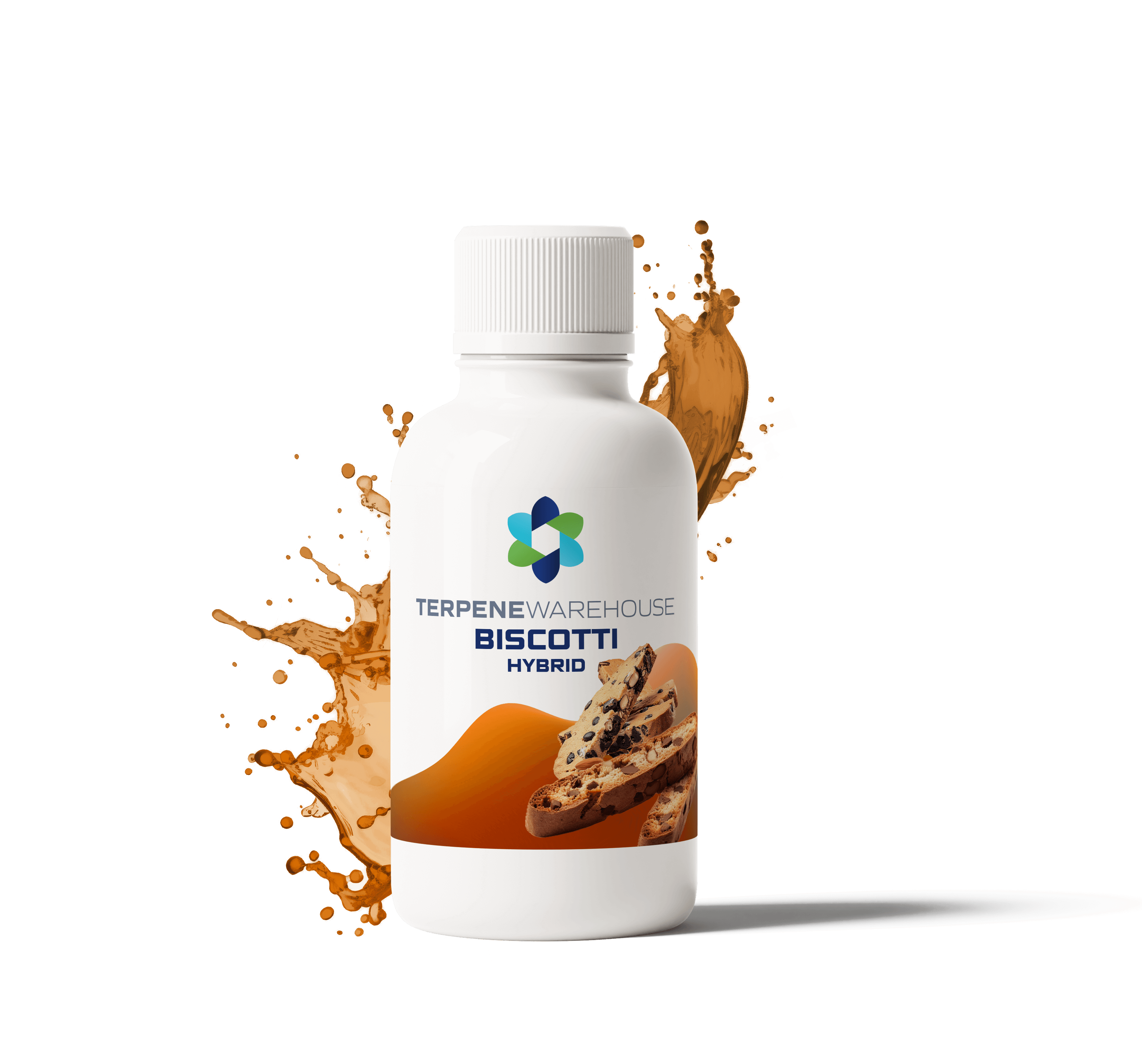
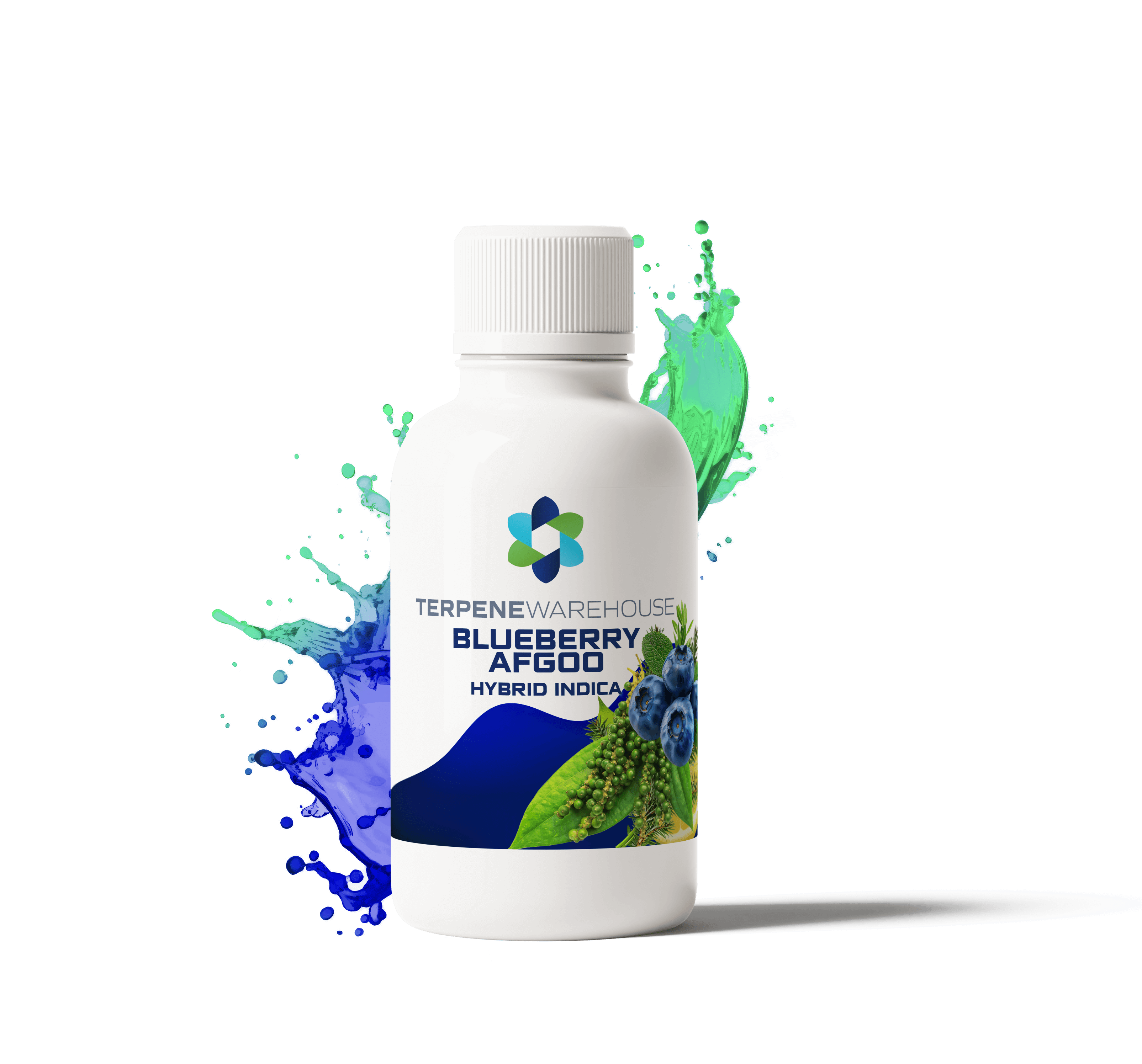
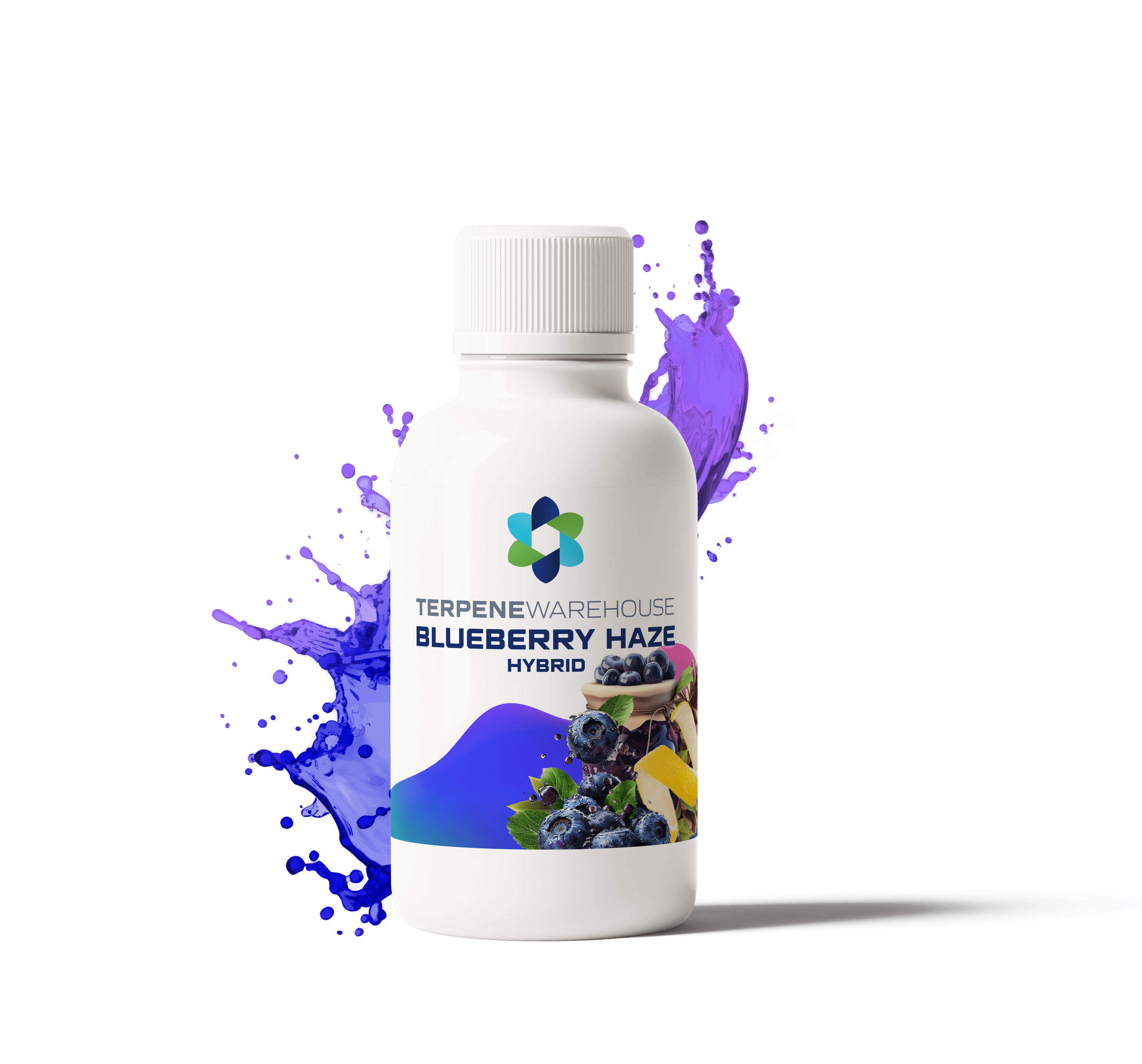
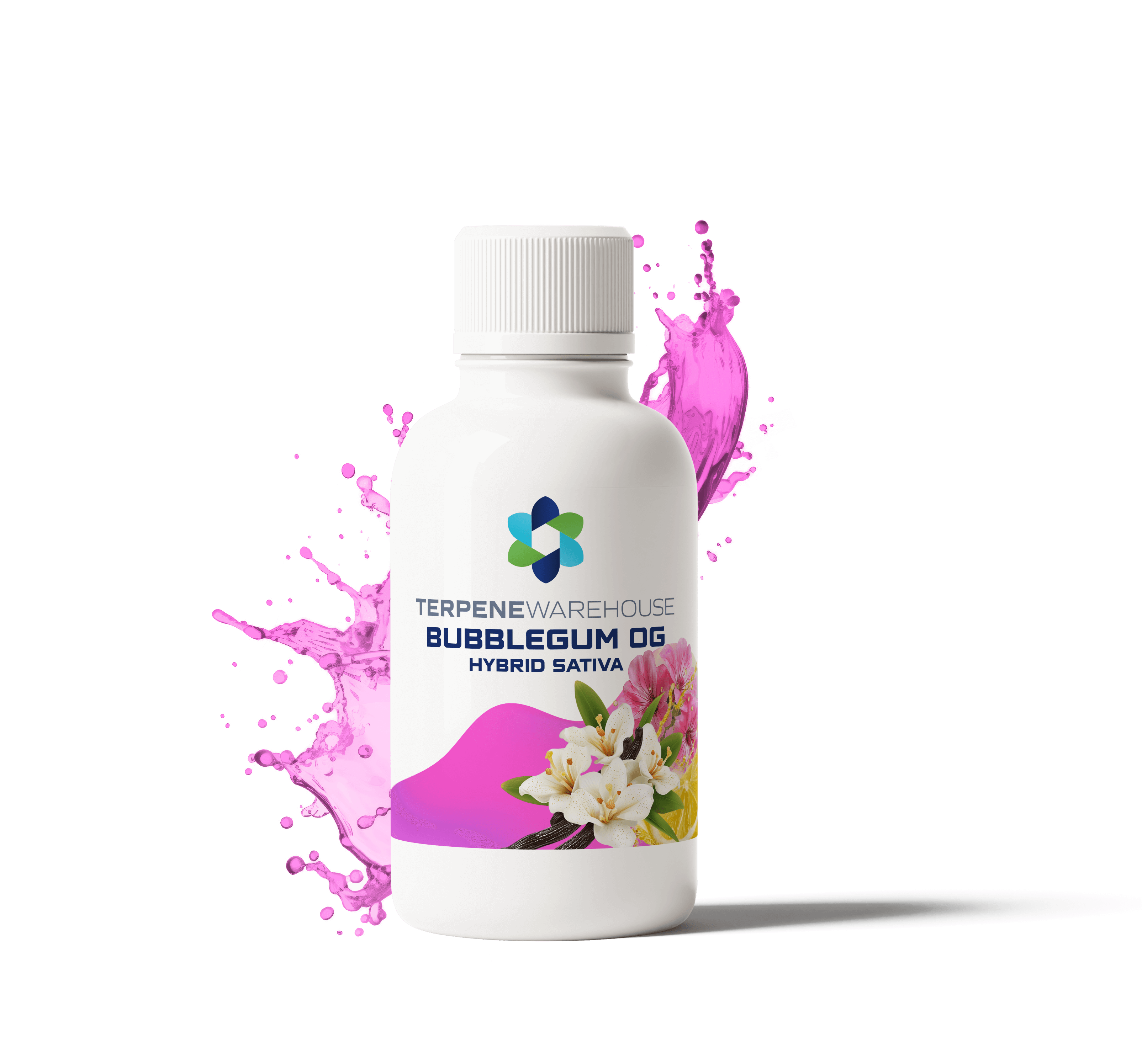
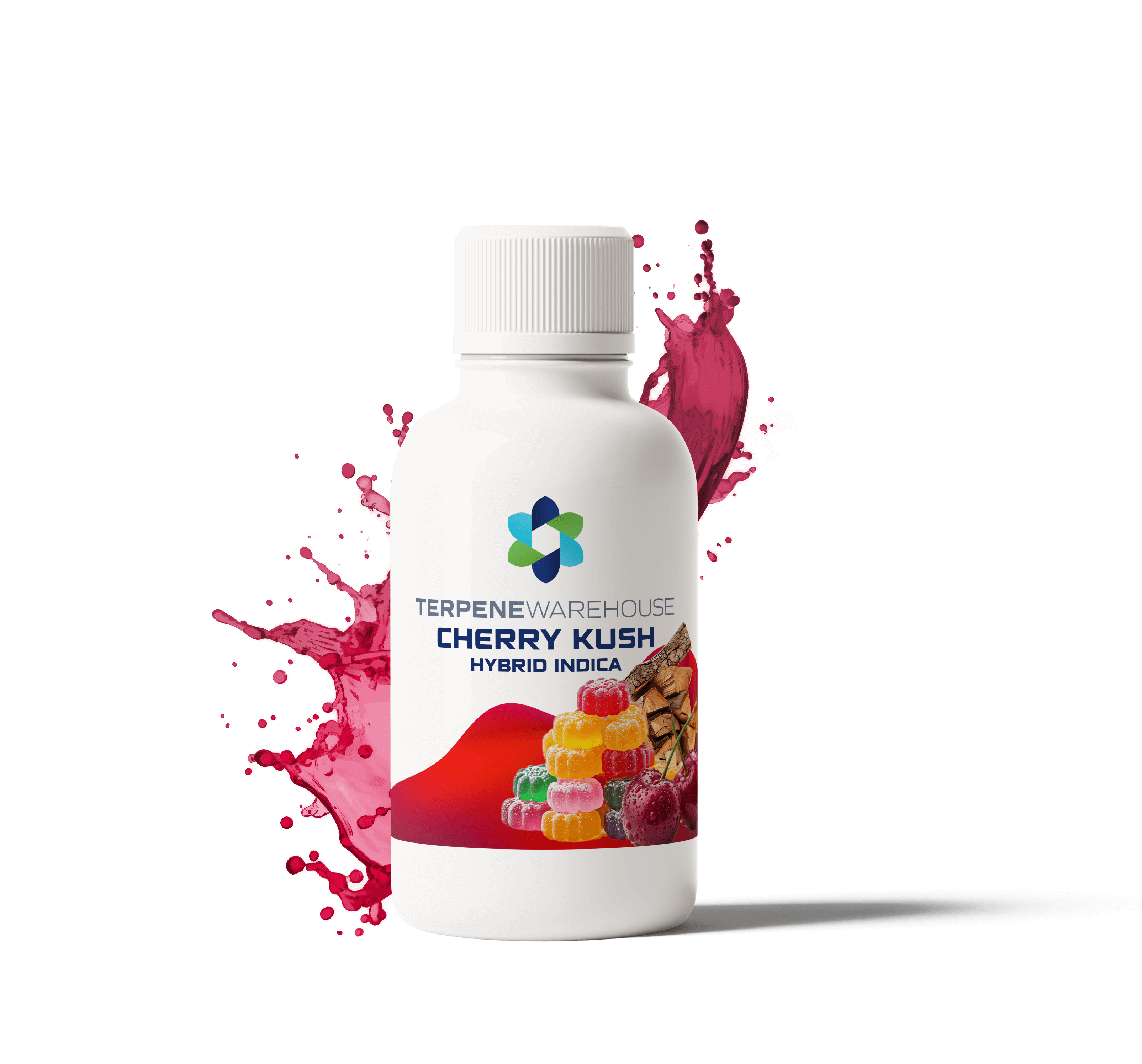
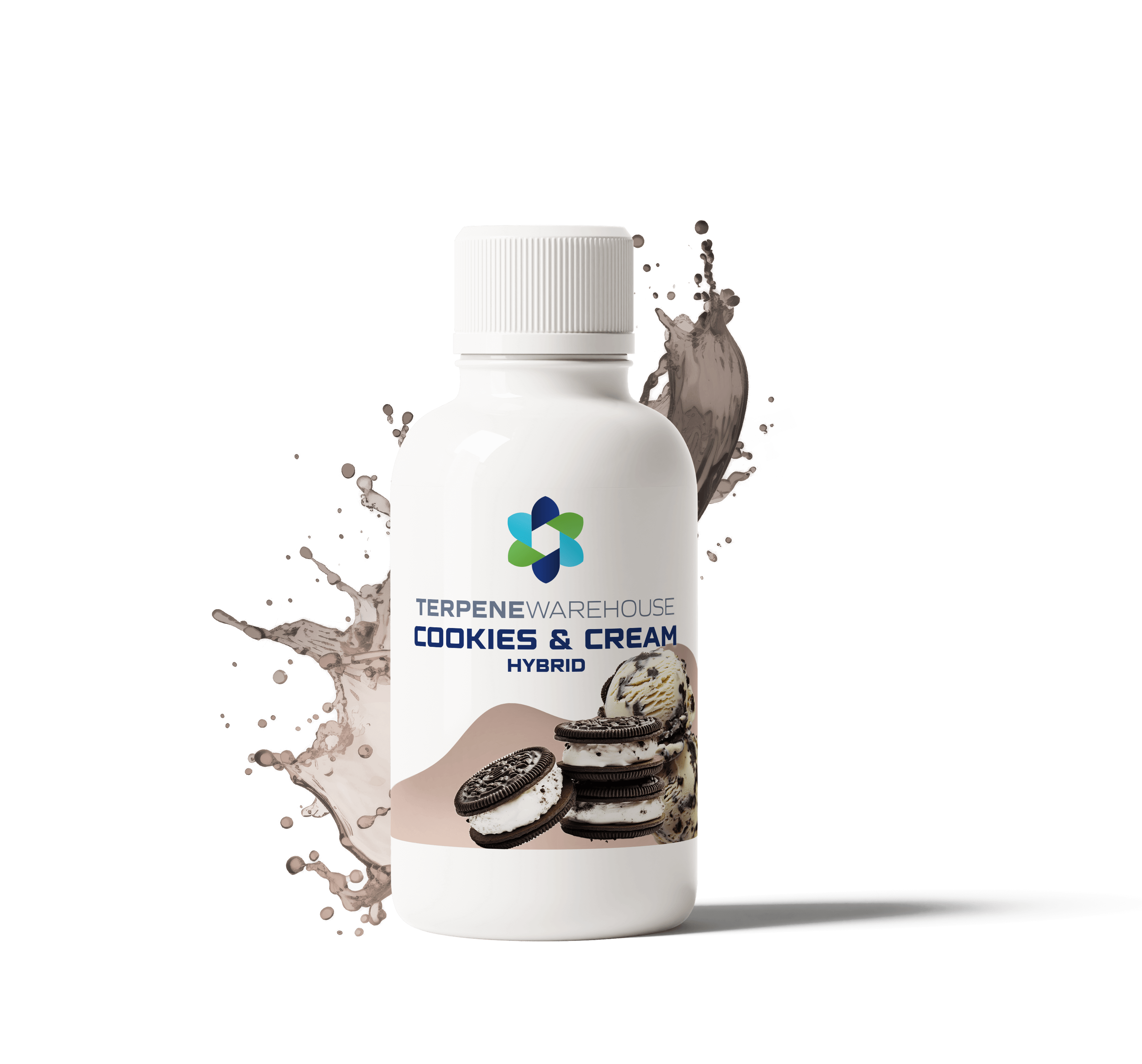
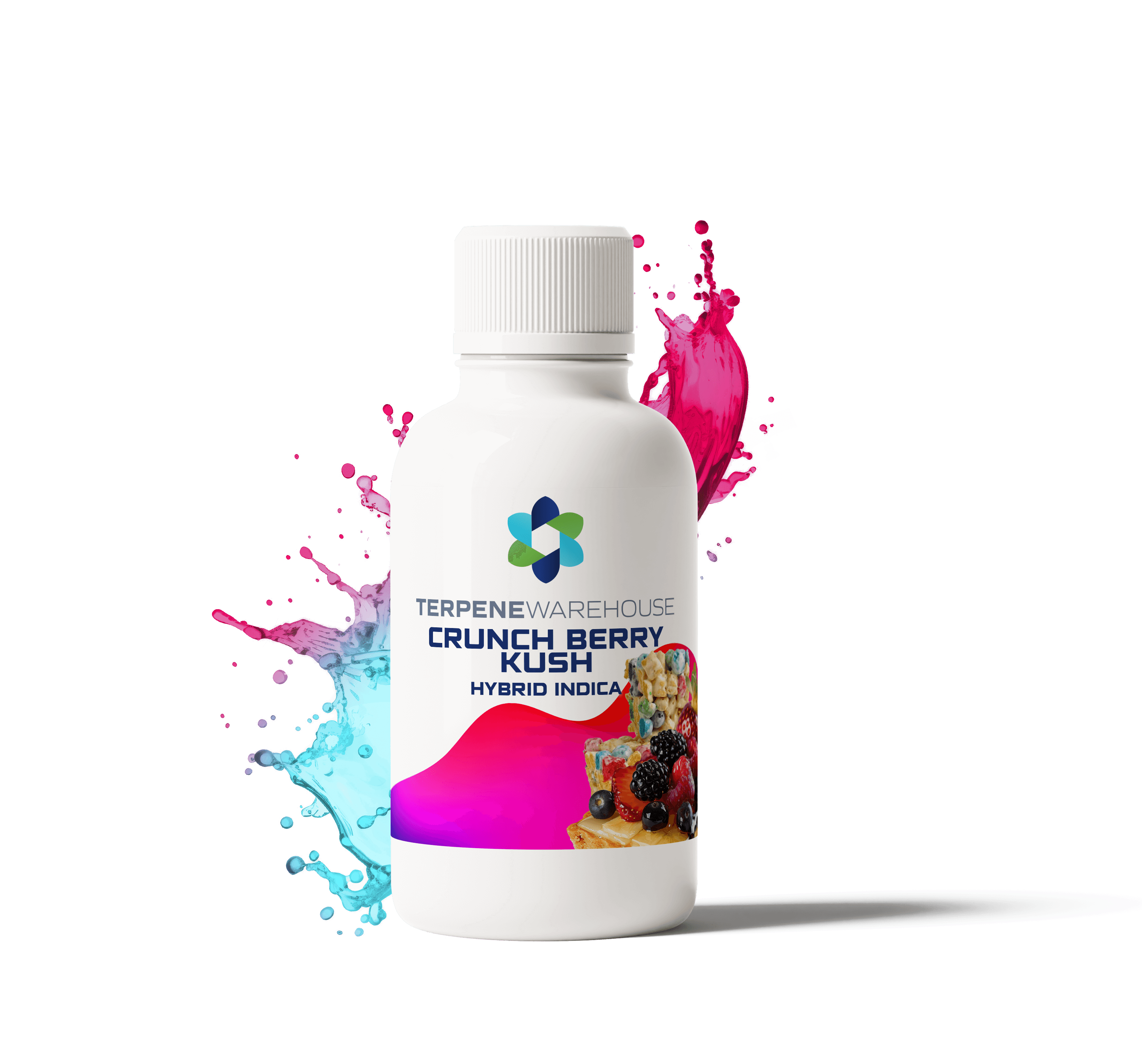
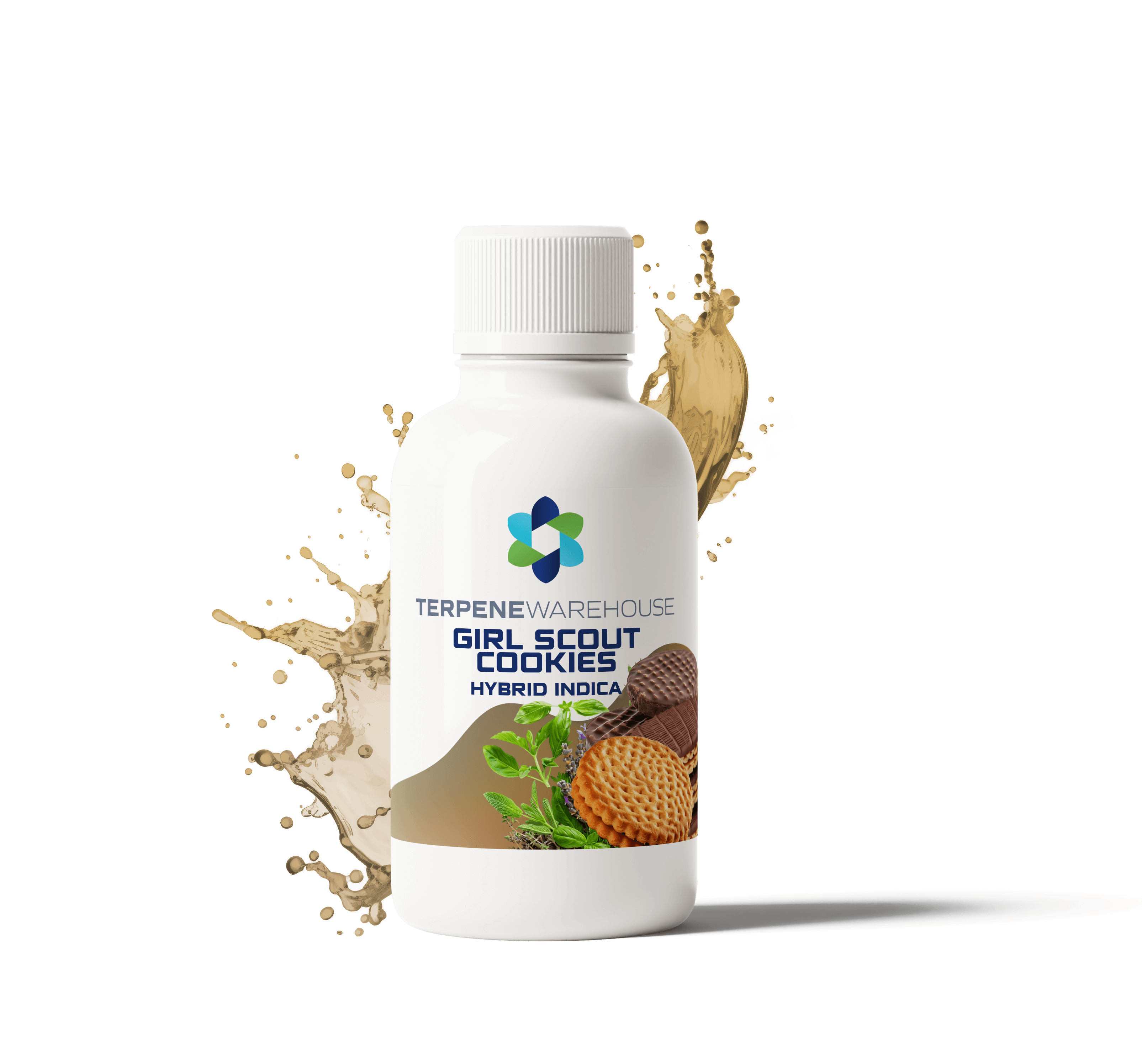
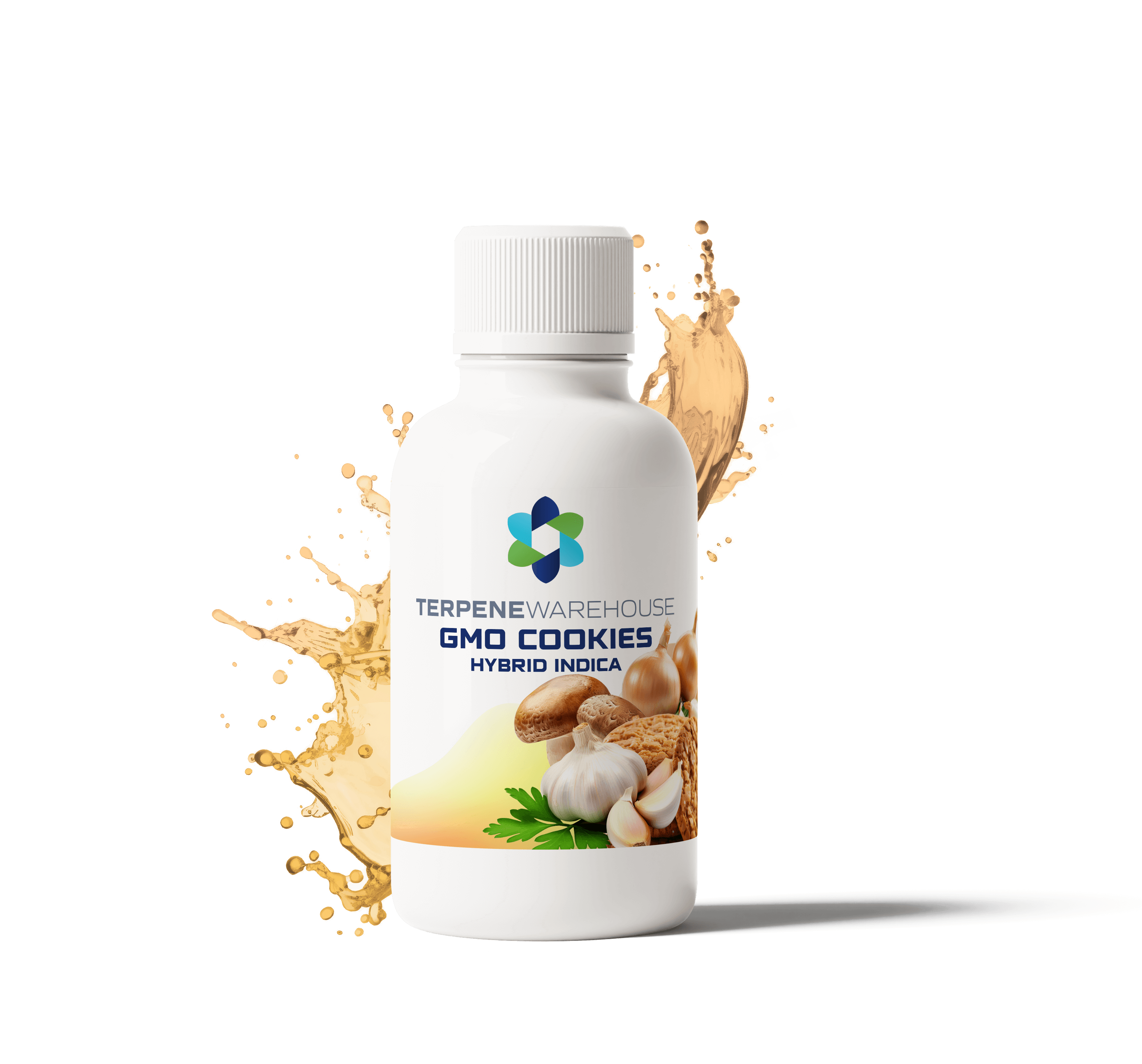
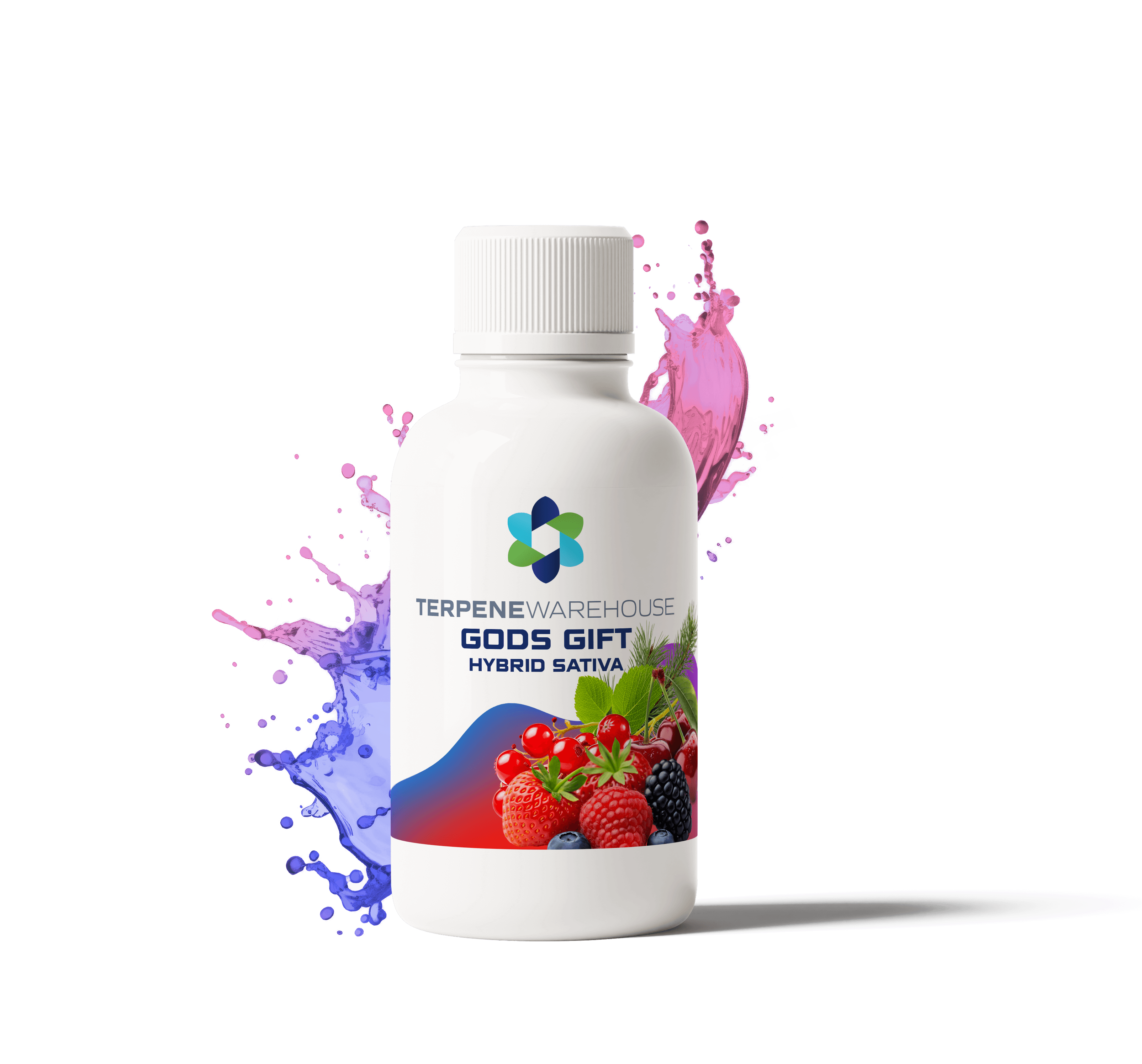
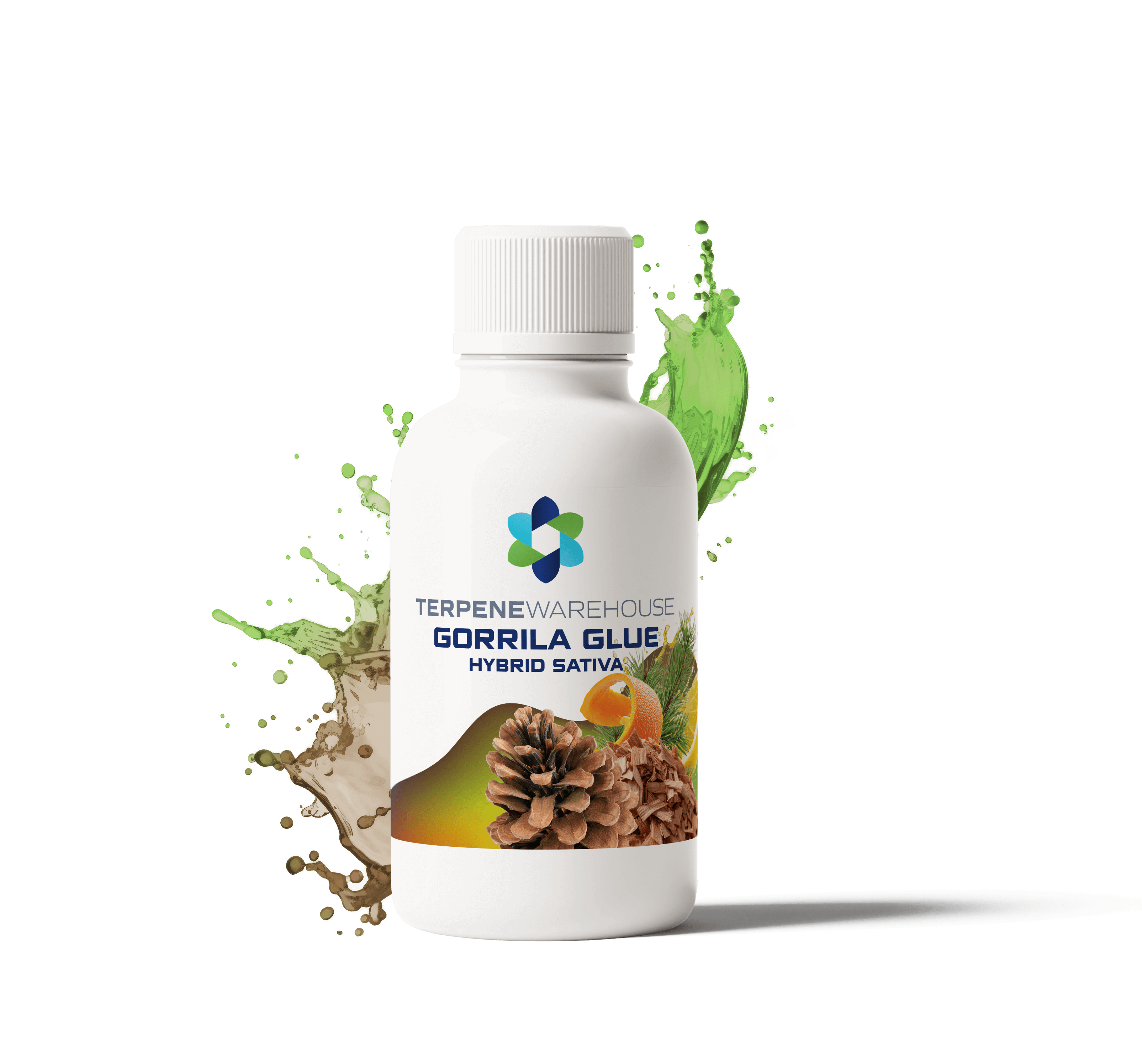
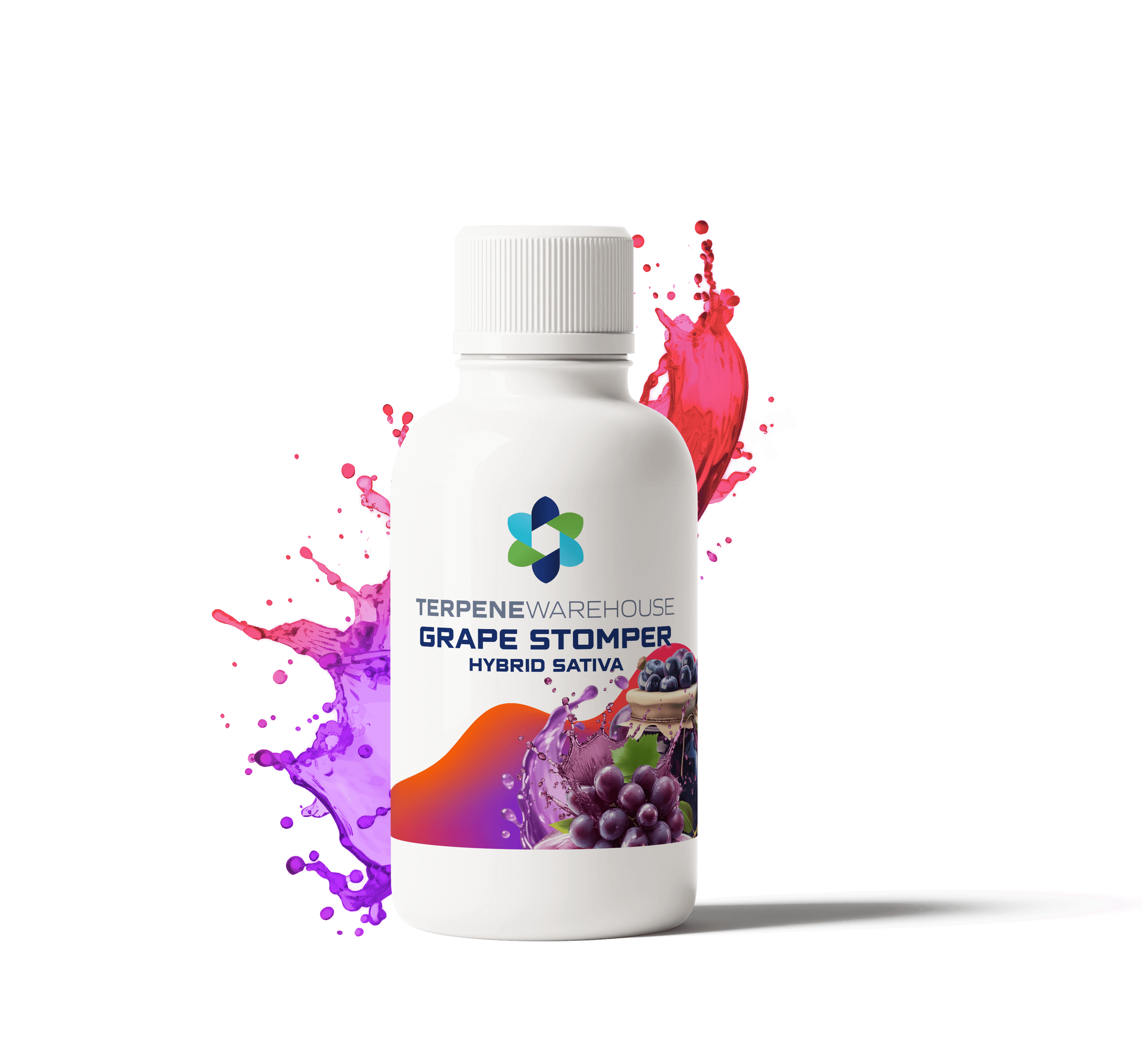
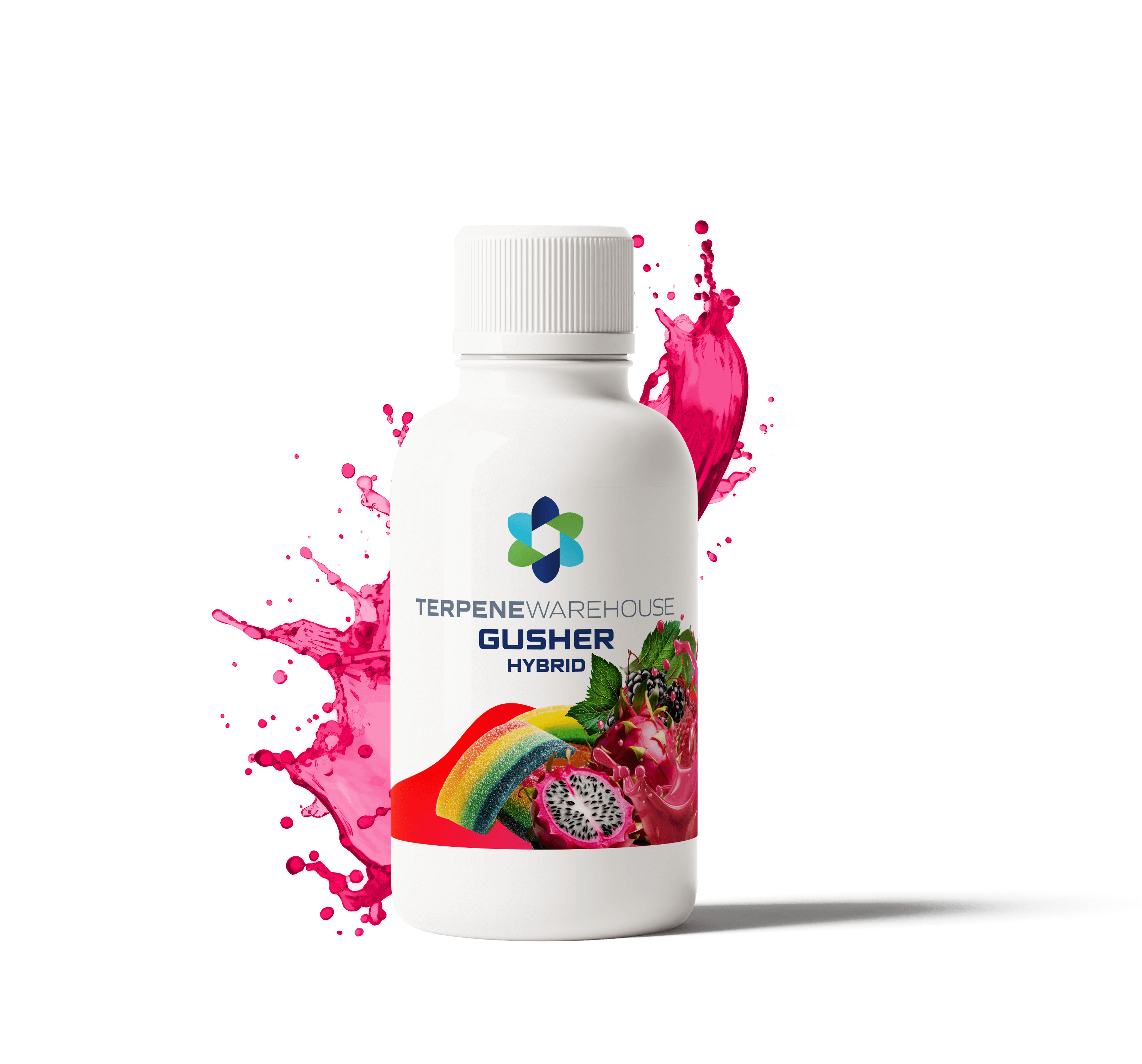
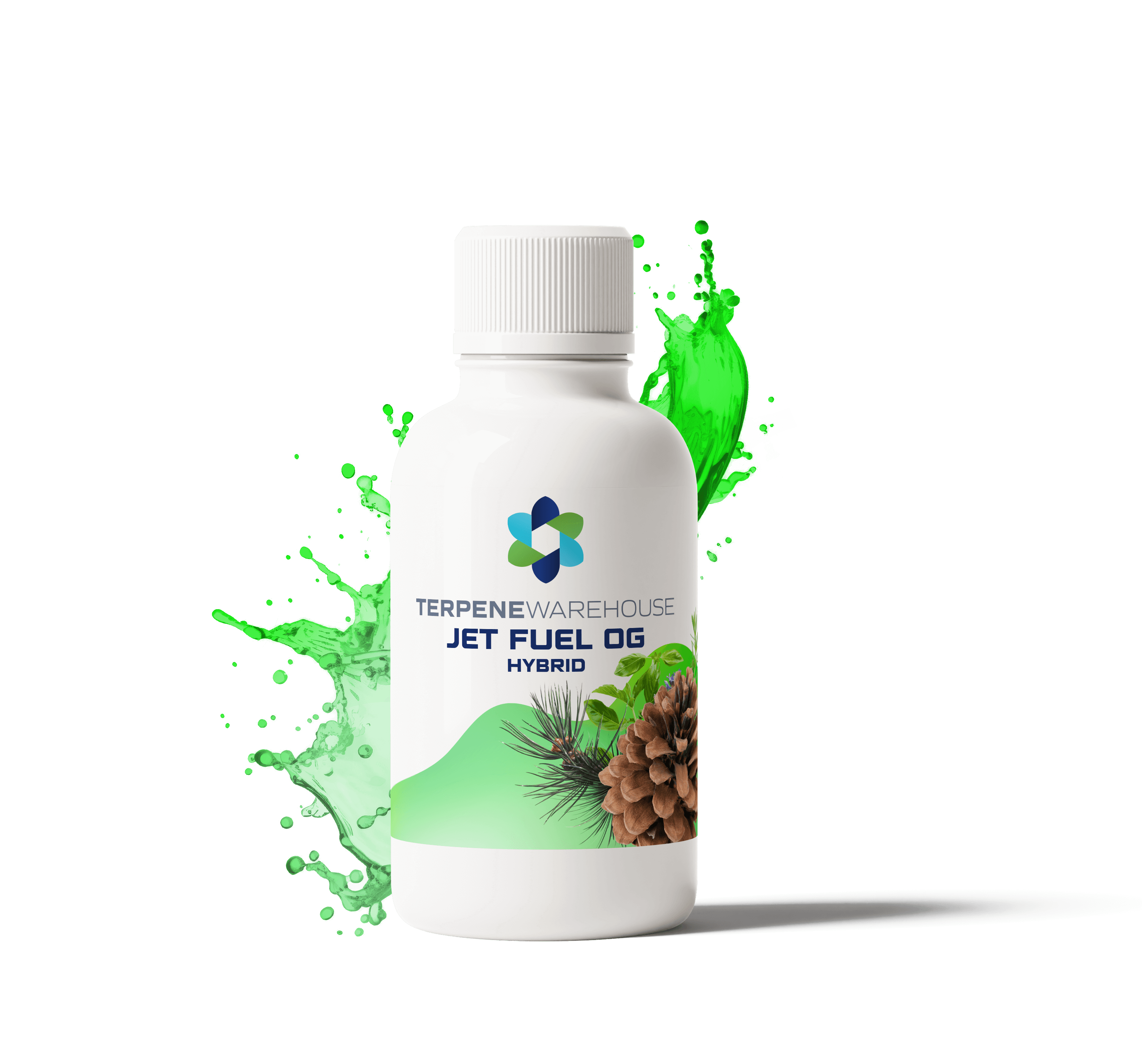
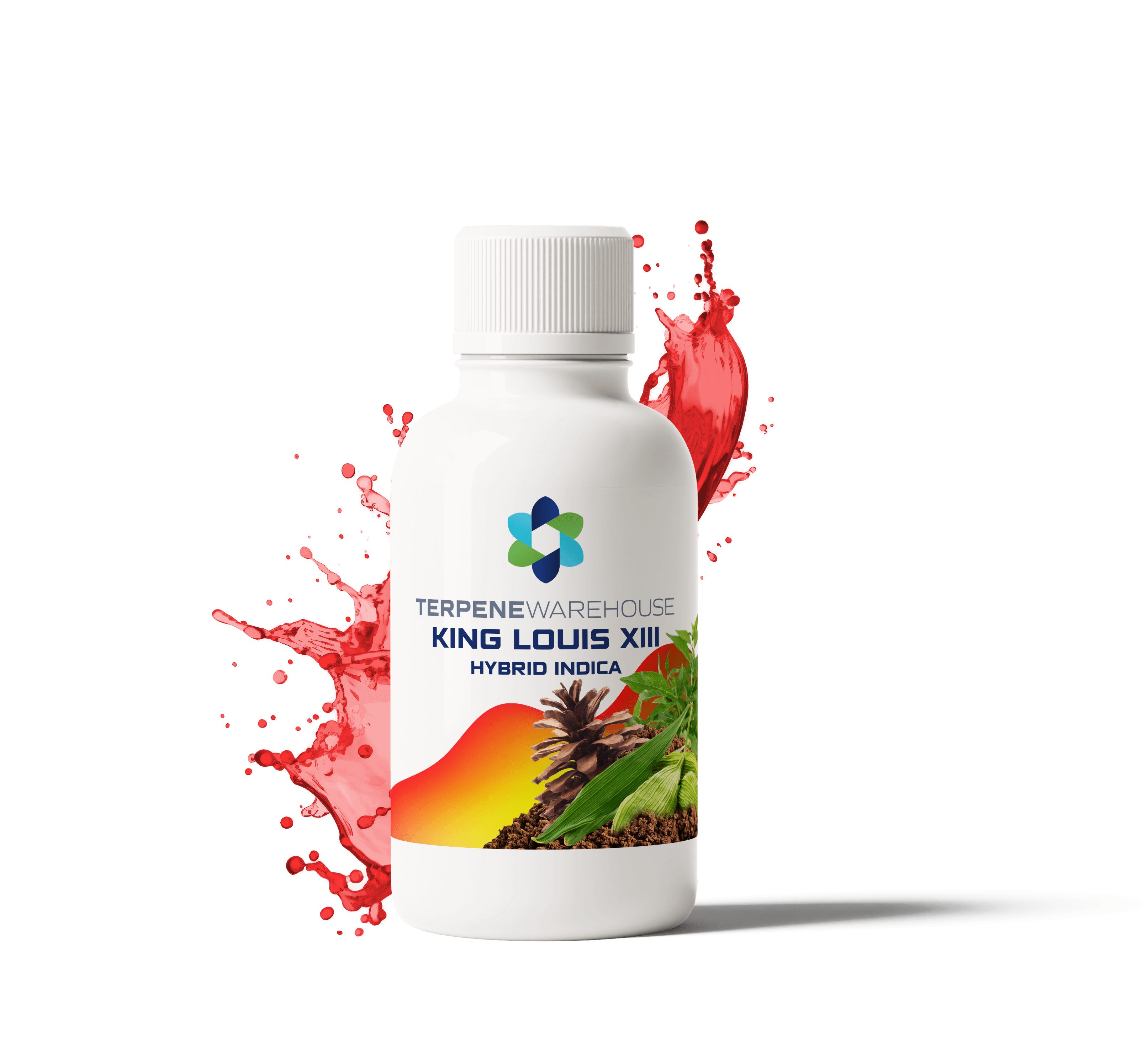
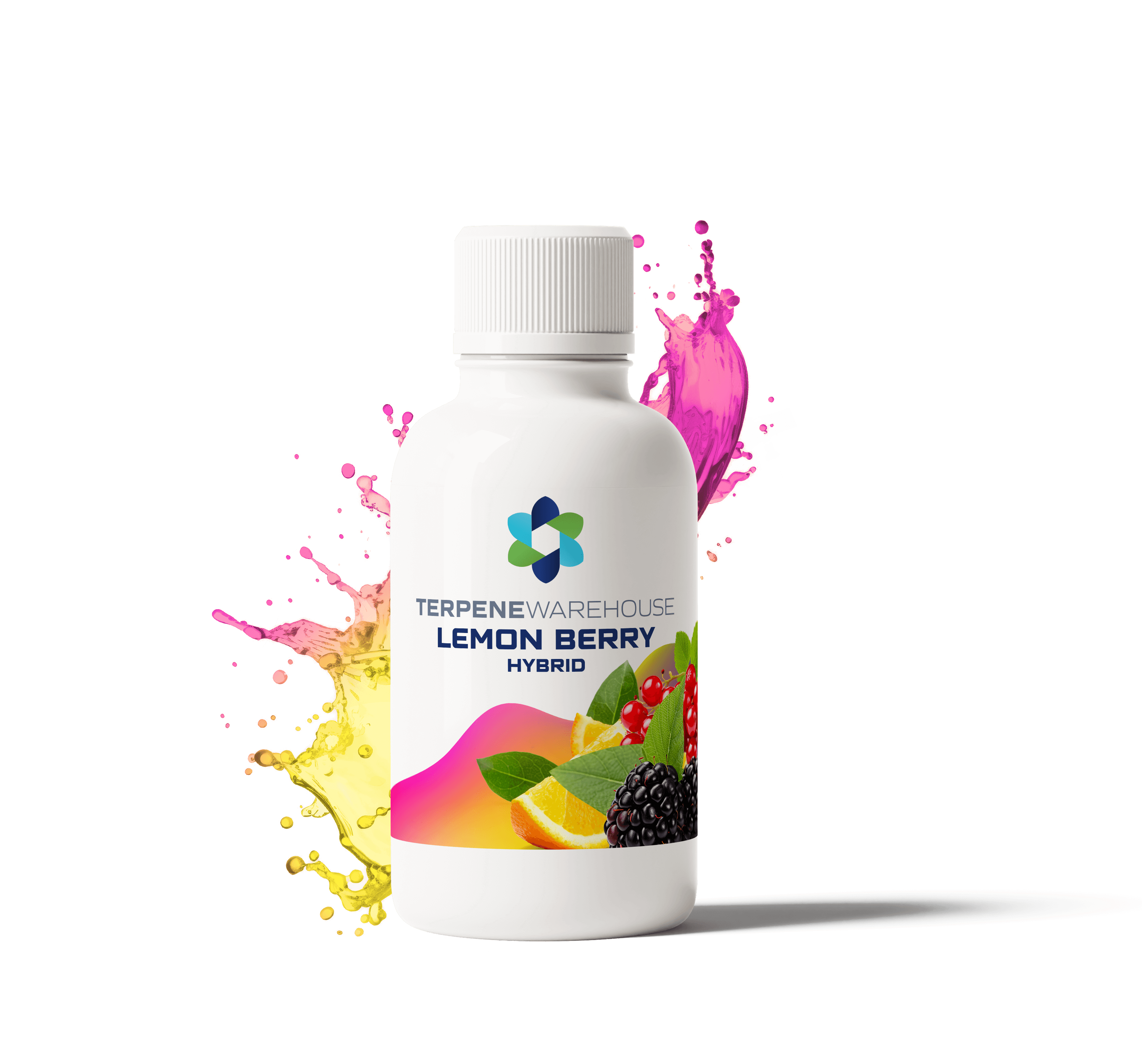
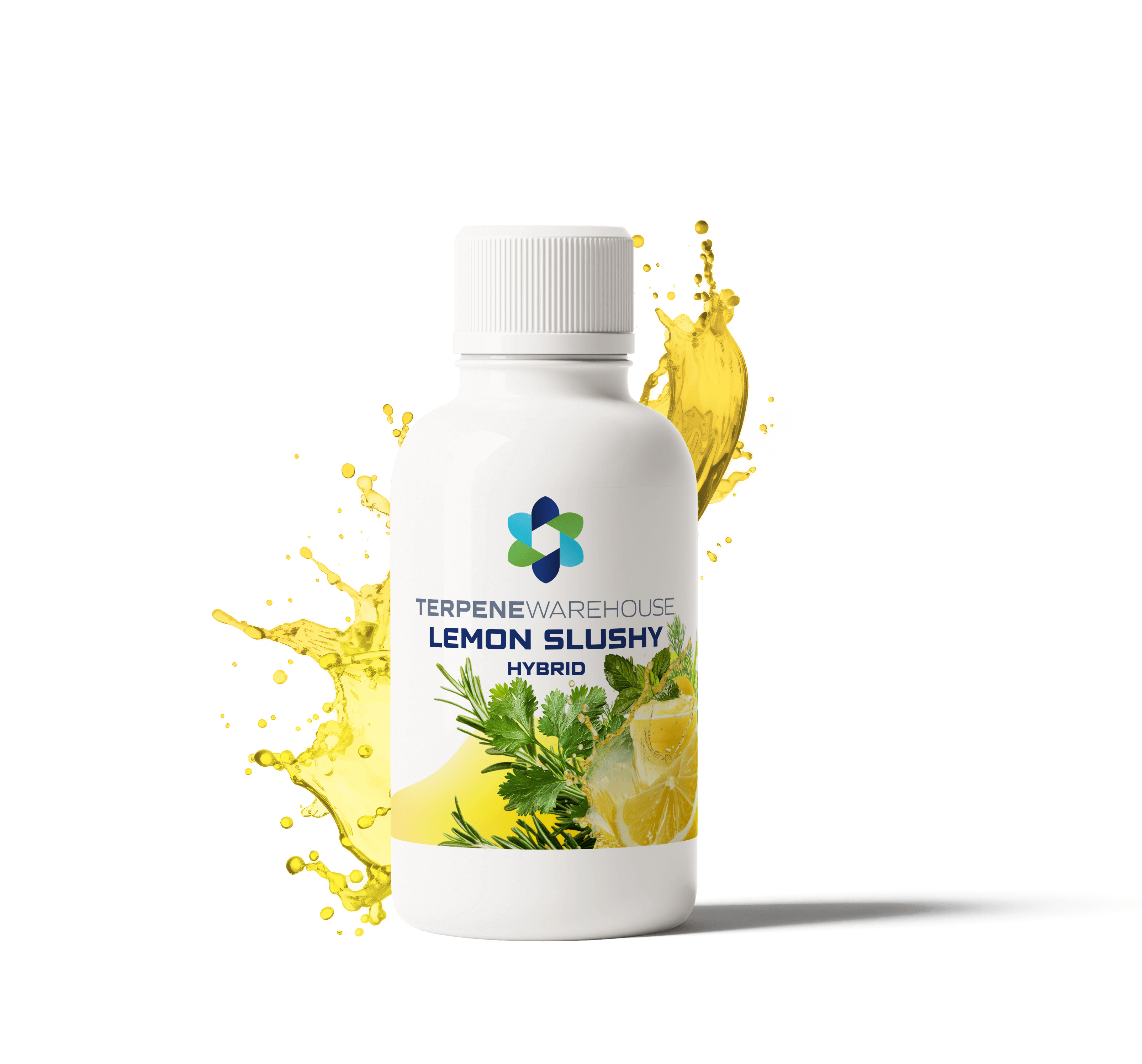
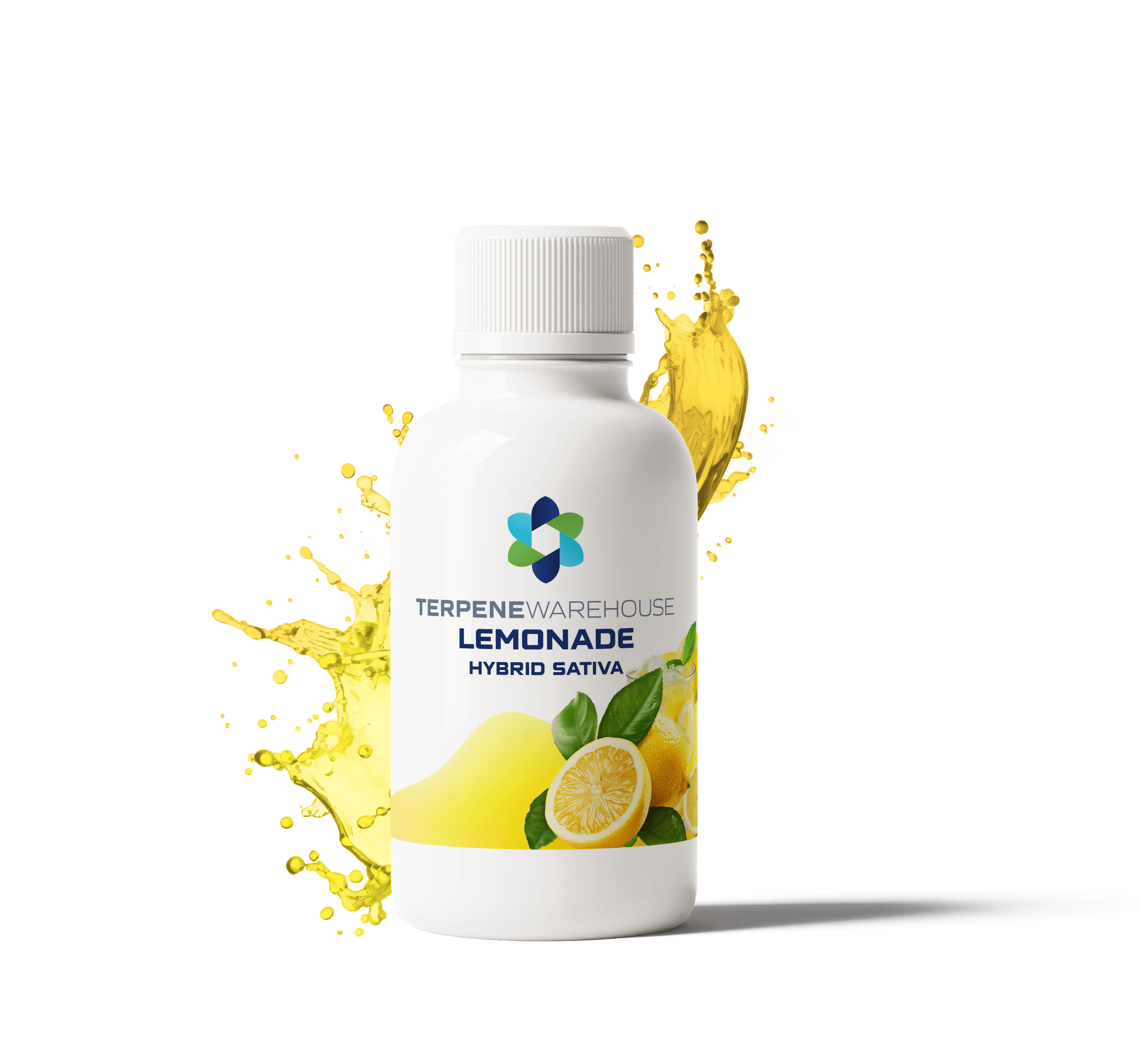
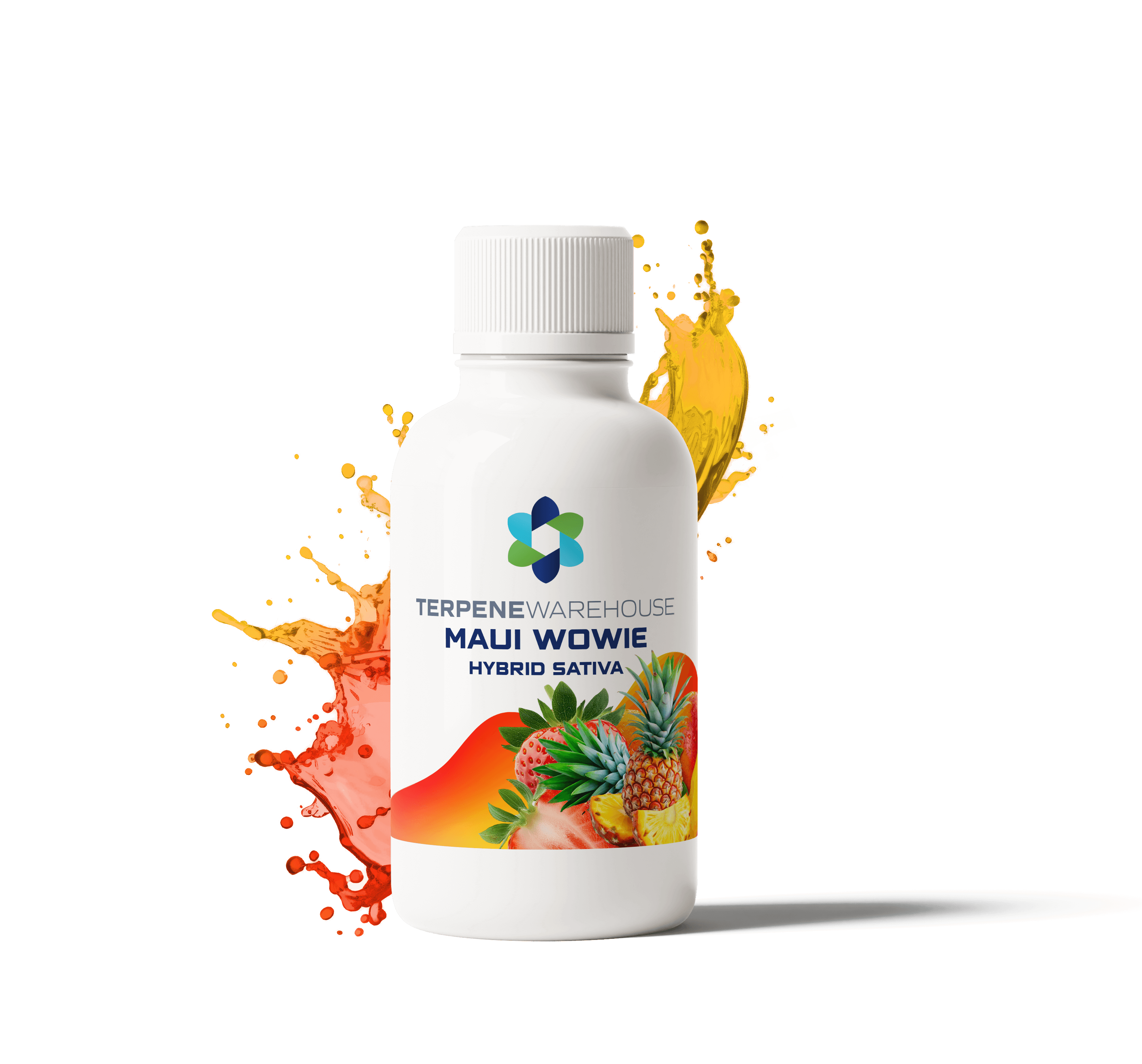
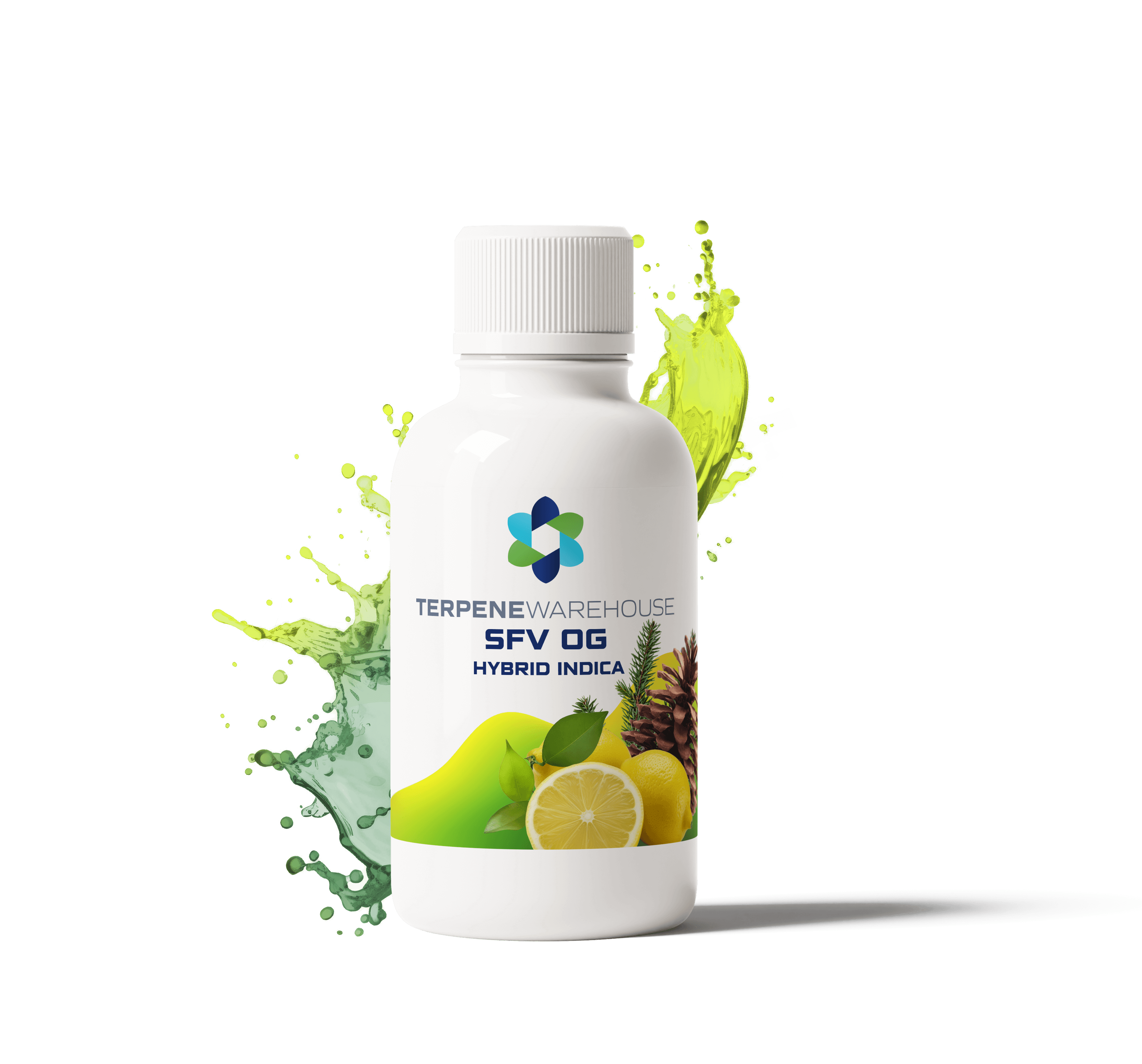
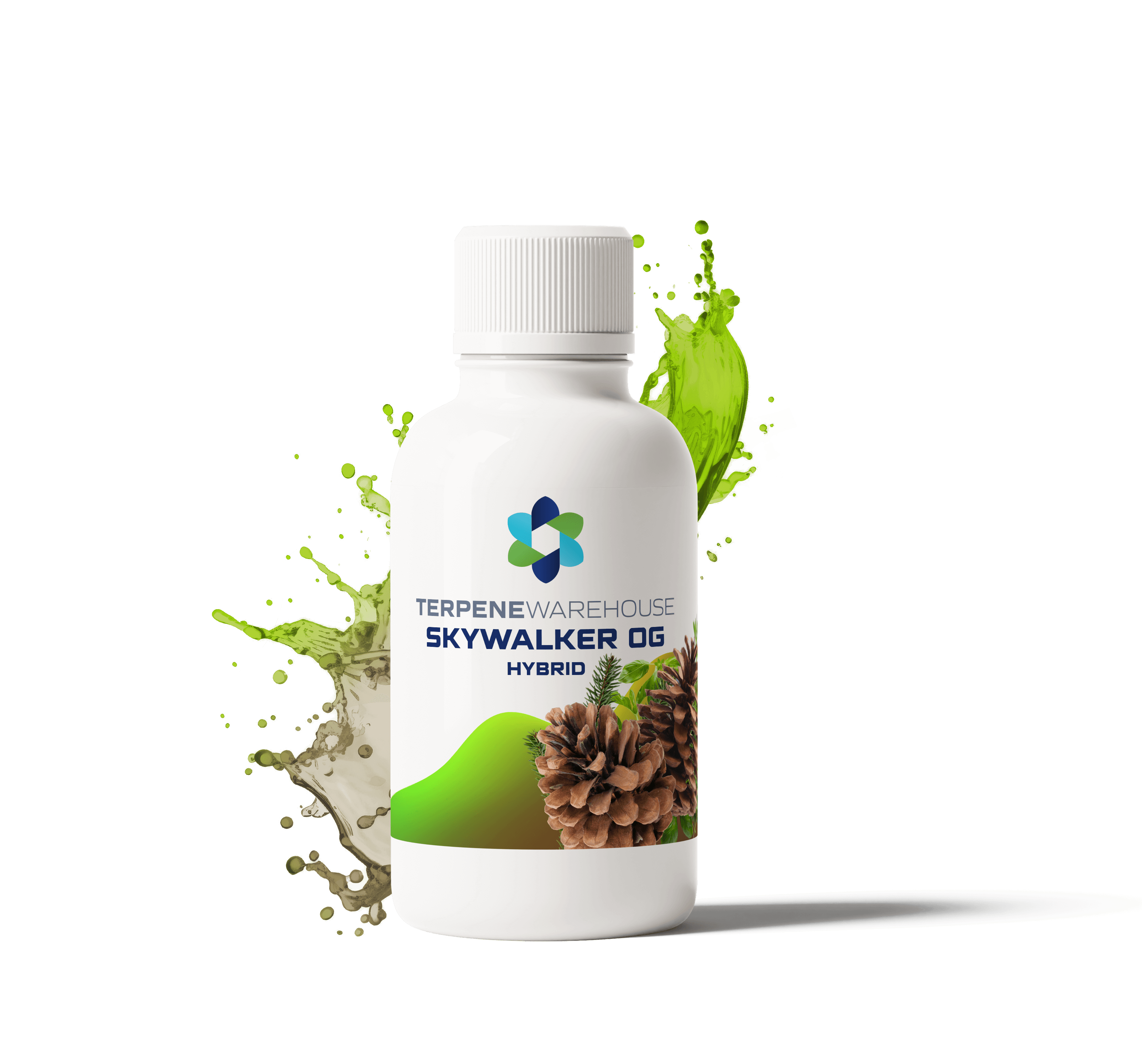
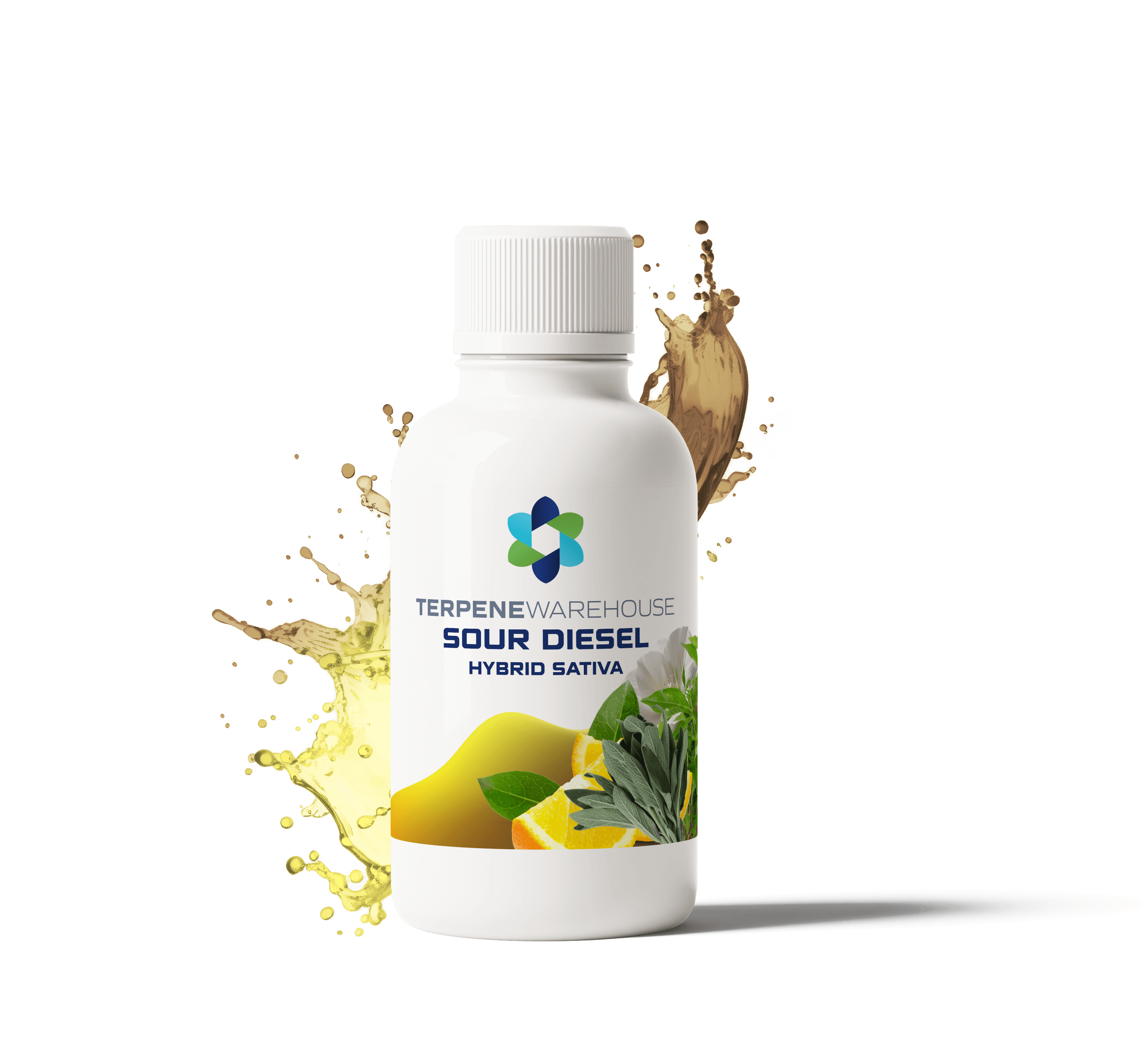
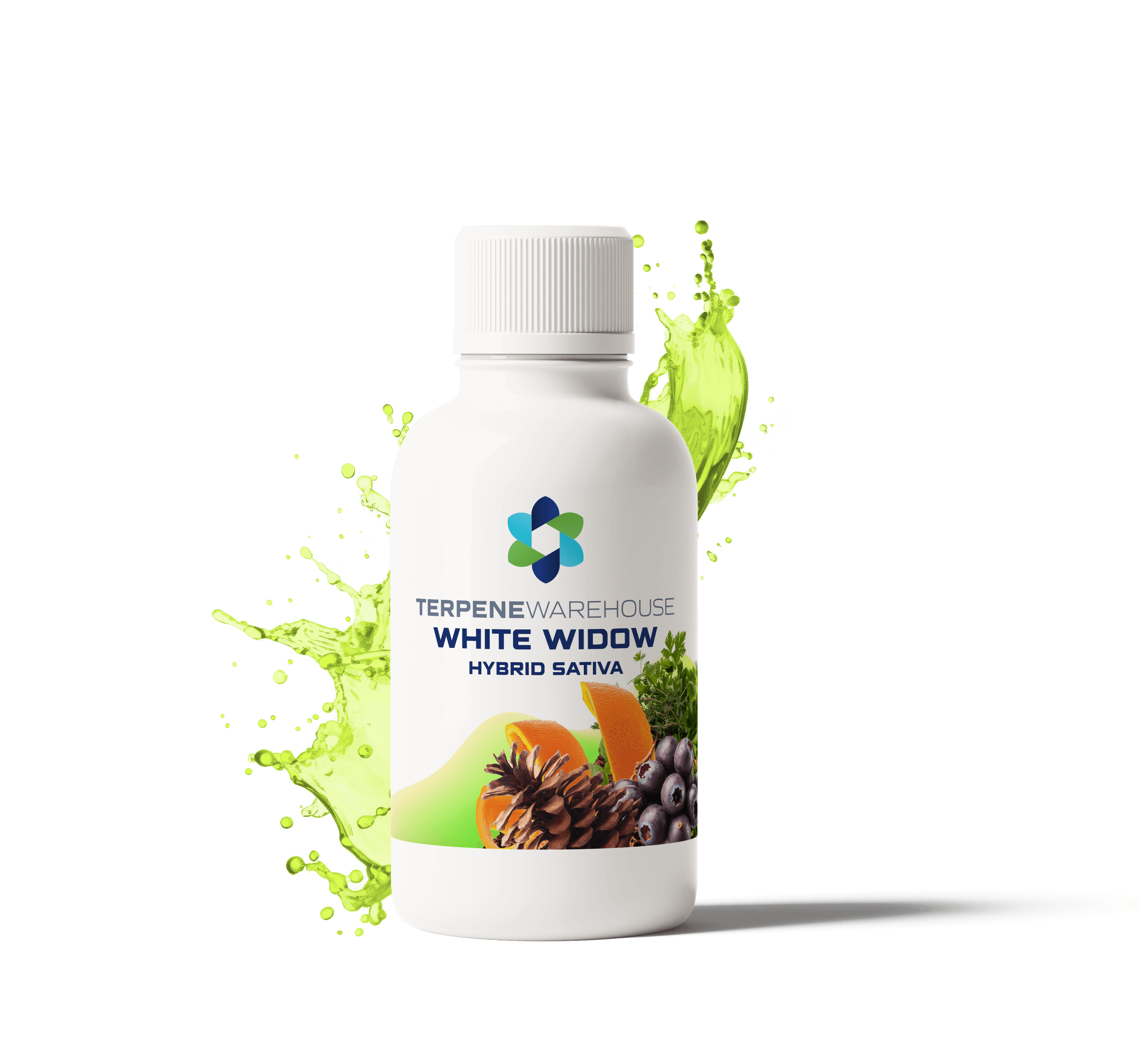
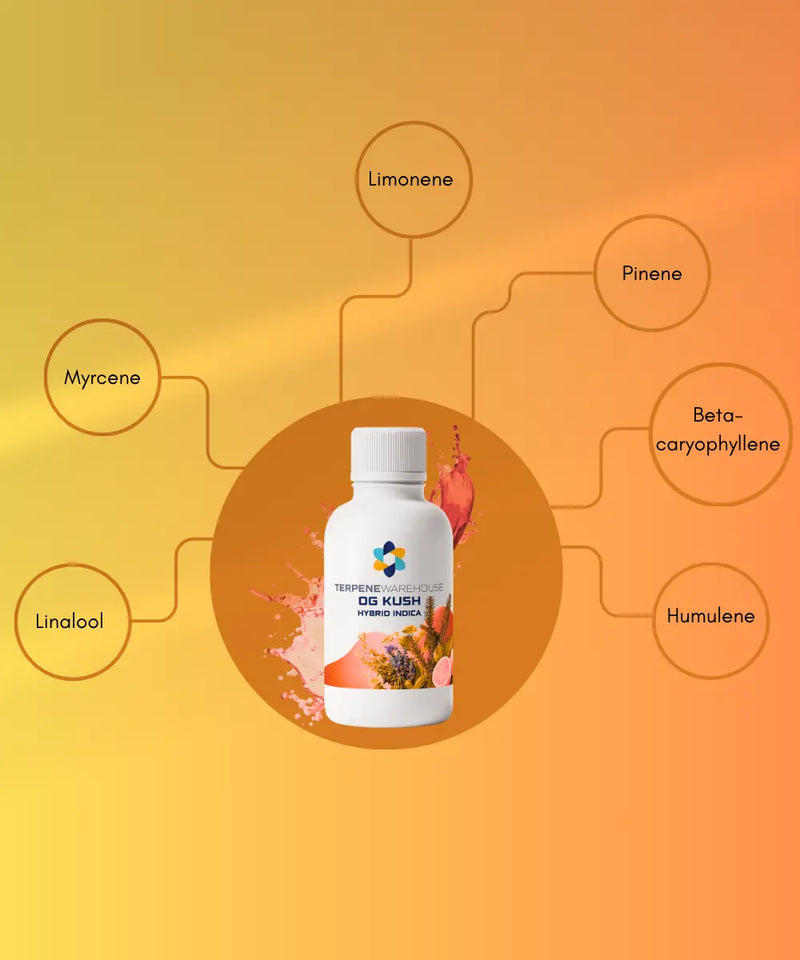
Humulene, Linalool, and Caryophyllene are the compounds that are proposed to be great for helping relieve pain. The strains below are high in these three compounds.

Filters
$
to
$
40 products
Sort by
Sort by
Sale priceFrom $8.00

Key takeaways

The ideal terpenes for pain are chosen based on their scent profiles and ability to help promote comfort, according to user experience and preliminary research.

When it comes to finding the best terpene for pain relief, it all depends on what you are looking for and your personal sensitivity to that product format.

Comparing different pain terpenes (think myrcene, linalool, beta-caryophyllene) allows you to fine-tune your approach for nerve pain, soreness and all ‘round unease.

Quality and safety is key - always seek tested terpenes with a Certificate of Analysis (COA).

Knowing the difference between product types and how to use them is crucial when it comes to maximizing your relief from pain terpenes.

What terpenes are best for pain?

The best terpenes for pain are fragrant, natural compounds present in most plants - including cannabis - and cherished widely due to the belief they can be used as part of an effort to promote comfort and relief. They are selected for their unique smell and the effects they have on other natural molecules. People are interested in pain relief terpenes since, as a natural plant-based supplement, they could provide an option for people looking to deal with everyday discomfort without pharmaceuticals.

Terpenes for pain are also increasingly sought after by consumers as a means to tailor a wellness regimen. Though research is still in the works for these compounds, they are becoming popular in over-the-counter topicals, vape pens, tinctures and edibles as well because of their wide application and benefits.

Best terpenes for pain, How do they work?

Pain terpenes work by engaging your body’s endocannabinoid system (ECS), the mechanism responsible for maintaining balance in several functions at a cellular and systems level. Terpenes are not cannabinoids, but they can affect the way your body processes discomfort by interacting with ECS receptors and other pathways that mediate sensation and mood.

Traditional pain terpenes such as beta-caryophyllene, myrcene and linalool are believed to encourage a feeling of calm or relaxation. These effects can be enhanced when terpenes are combined with other plant compounds, an effect known as the “entourage effect.”

And remember that terpene effects can differ based on dose, how you use them and individual factors. Begin slow (i.e. use a very tiny amount) and see how your body responds before trying other pain-relieving blends or products.

Read More

Advantages of best terpenes for pain

  • May promote a soothing, calming effect when used in aromatherapy or topically.
  • Provide targeted selection-some terpenes that are used for nerve pain with some others selected for general soreness.
  • Give a personalized touch - mix or match terpenes according to what you want.
  • Can be infused into a wide variety of product types (vapes, tinctures, creams, edibles) for easy application to different usage scenarios.
  • Frequently derived from clean, botanical ingredients with little to no processing.
  • Accompany other self-care regimens and practices.
  • Rapid onset with formats like vapes and topicals for quick support.
  • Could have long-lasting effects in edible or tincture form.
  • Mild scent files can help you relax, or even improve your mood while you wrapped up in a world of physical comfort.

Products that contain best terpenes for pain

  • Topical creams and balms - to target your sore spot.
  • Vape cartridges - inhaled use for rapid onset.
  • Tinctures - sublingual drops for systemic support and more convenient dosing.
  • Edibles - gummies or capsules will take longer to kick in, but it’ll last.
  • Roll-ons - convenient, less-mess option for travel use.
  • Aromatherapy oils - diffuse in your space for a calming environment.
  • Patches - long acting, stealth for all day use.
  • Bath soaks - add to your bath for a full-body relaxation.
  • DIY - skin care, Hair Care - add to your favorite base for custom results.

Best terpenes for pain or not vs other choices

best terpenes for pain vs Over-the-counter topicals: Terpenes provide plant-based customization, whereas OTC creams might contain synthetic ingredients and possibly only one active agent.

best terpenes for pain vs CBD only : Terpenes offer aroma-based benefits that may enhance CBD and while they lack the nuanced fragrance or entourage effect of dedicated terpenes just using simple CBD alone.

best terpenes for pain vs Essential oils: Terpenes are the isolated compounds to provide a more consistent effect, while essential oils are steam distilled for a compound and scent rich full extract.

best terpenes for pain vs Prescription options: Terpenes are all- natural and beneficial to wellbeing but prescript ions are most often used in acute or severe cases with potential side effects.

Quick comparison Terpene guide

This table is a reference to compare the main options of terpenes for pain, in use case, what to expect and some considerations involved.

Option Best for What to expect Things to consider
Myrcene General soreness, relaxation Earthy aroma, calming experience May cause drowsiness in some users
Beta-Caryophyllene Nerve pain, tension Spicy scent, potential ECS interaction Often blended with other terpenes for enhanced effect
Linalool Stress related discomfort Floral aroma, soothing mood Best used in the evening or for relaxation routines
Pinene Daytime use, clear headed comfort Fresh pine scent, uplifting May feel energizing, less ideal for nighttime

The Terpene Profiles and Pain Relief

They all smell and feel different (thanks to the terpenes). For instance, myrcene is commonly attributed to extreme relaxation and pinene has a fresh uplifting smell. Deciding which terpene to use for nerve pain versus normal soreness is usually a matter of matching up your symptom type with the correct profile. Spend some time taking notes on how different smells affect your mood to personalize your routine.

How to Determine the Best Terpenes for Nerve Pain

Beta-caryophyllene and linalool are frequently selected for nerve pain since they have calming properties and can interact with the ECS. Search for products with these terpenes listed on the label and perhaps try starting out with a blend to see what work best for your situation. Compare a beta-caryophyllene (spicy) with linalool (floral) to discover your favorite scent and effect.

Single Terpenes vs. Blends

Single terpenes provide a focused approach, while blends offer more than one compound for a wider effect. (If you’re not sure, start with a pain relief blend and play around with individual terpenes to tailor your experience.) Blends are typically more beginner-friendly, while singles offer more advanced personalization.

Reading Terpene Charts & Strain Profiles

Terpene charts indicate the dominant compounds in popular strains or products. To treat pain, make sure the product contains high levels of myrcene, beta-caryophyllene or linalool. Compare side by side to see which strains match your satisfaction needs. And keep in mind, you might prefer stains high in pinene during the day, and relaxing myrcene-heavy options at night.

How to Know if You’re Getting Quality and Purity

A COA for terpenes high on the pain relief spectrum are essential. This certificate should be valid for proof of purity, potency and the lack of any contaminants. Search for third-party lab tests, and shop brands to find out who’s transparent about their COA results. Red flag: any product without a COA or with incomplete information.

Identifying Red Flags in Terpene Products

COA and batch-testing data not available.

Artificial fragrance or ingredients on label.

Questionable sourcing-stay away from items with no clear point of origin.

Prices so low that you have to question their validity when comparing them with those of established competitors.

Remember, quality and transparency should always outweigh cost when you’re purchasing pain terpenes.

How Do The Vape And Oil Have Comparable Effects?

Vapes deliver quick results, but may not be right for everyone. Topicals are provided directly where they’re needed and work great for joint or muscle aches, while edibles deliver longer lasting, full body effects. For instant relief, vapes take the prize; for targeted use, topicals are extremely effective.

Storing Your Terps for Optimal Shelf Life

Light, heat and air all degrade terpenes. Keep your items in a cool, dark place with the cap firmly closed. Glass is a better container than plastic, and pure terpene isolates stay fresher by refrigeration. Never store terpene products in a hot car or the sun.

Mixing Terpenes: DIY Blending Basics

When it comes to blending terpenes for pain relief, always begin with just a few drops. Dilute with a carrier oil (which could be MCT or hemp seed) for safe usage. Always test new blends on a hidden section before using. Sample your mix against prepackaged ones to determine if you want a custom or off-the-shelf solution.

How to not screw up with pain terpenes

  • Topical application of concentrated terpenes as labelled.
  • Not following dosage guidelines and overdosing.
  • Choosing products without a COA.
  • Not monitoring which terpenes and combinations are working for you.
  • Developing slowly and taking notes on how it makes you feel will protect you from these mistakes.
  • How to Read the COA (Certificate of Analysis) for Terpenes
  • A COA should include all terpenes found, along with their concentrations and anything tested for contaminants (such as heavy metals or pesticides). Find your preferred pain terpenes in the results, and make sure the product doesn’t contain anything you don’t want. If critical COA details are missing, choose another brand.

Comparing Natural vs Synthetic Terpenes

The natural terpenes are extractions directly from the plant while synthetic versions, created in a lab. Most people want natural terpenes because of purity and flavor but synthetic ones can yield consistent results. If you want authenticity, go natural; if you need something very specific, the synthetics may be worth a look.

The Pain-relieving Effect and the Entourage Effect

The entourage effect is a term used to describe the way terpenes and cannabinoids can interplay for a more complete experience. So combining the terpene myrcene with some CBD might make you more relaxed than either alone. Compare the aroma and flavor between products with added terpenes versus products without to see for yourself.

How to Match Terpenes to Your Type of Pain

Not all pain is the same. Nerve pain may do well with beta-caryophyllene or linalool and muscle soreness might be best tackled by myrcene or limonene. Write the symptoms of whatever ails you, and cross-references it with the terpene profiles to determine what’s best for you.

How Aroma Influences Your Experience

How Terpenes Affect Comfort and Mood Terpene aroma and its relationship to comfort and mood The fragrance of terpenes can impact your perception of comfort as well as in aid on moods. Earthy, musky terpenes like myrcene are grounding and citrus ones like limonene can feel energizing. Pick a scent you like, because that may be your overall best bet in most cases.

How Do You Layer Terpenes with Other Products?

For a customized routine, pain-relief terpenes can be blended with CBD or other botanicals. For example, place a drop of linalool in a CBD cream to help you relax even more deeply. Begin by sniffing low percentages so you don’t knock your nose off or irritate your skin.

Comparing Isolate vs Full-Spectrum Terpenes

Pure terpenes are an individual compound while full-spectrum designs cover a range of terpenes and trace cannabinoids. Isolates are best for targeted effects, while full-spectrum may provide a more synergistic experience thanks to the entourage effect. They’re two different things; feel free to experiment with to see what you like best!

Understanding Dosage for Pain Terpenes

Begin with the lowest recommended dose, especially if you’re new to terpenes for pain. Increase to whatever you like. The log will help you dial in your perfect dose and avoid overdoing it.

How to Use Terpenes in Your Everyday Life

Put terpenes into your morning, post-workout or bedtime, as you like. For daytime discomfort, energizing terpenes like pinene are a good choice; for nighttime pain relief, relaxing profiles like myrcene or linalool. Similarity is the most important factor for getting the best results.

Terpenes vs. Other Pain Management Options: Cost Comparison

Premium terpenes might be a little pricey up front, but they can be better for cost-per-use compared to regular pain relief products you buy over and over. Look at the price per use and how customize-able you want your experience.

Recognizing Sensitivity and Allergies

And, some folks are sensitive to particular terpenes, especially when they’re in heavy use. Always patch-test topicals and inhale or ingest as little as possible. If you experience irritation or discomfort, stop using them and ease into a thinner size.

Acute vs Chronic Discomfort: When to Take Terpenes

Vape or topical terpenes could be better for sudden, acute pain, while tinctures and edibles may help with ongoing, chronic issues. If you want fast relief, though, inhalation tends to work more quickly, while for longer-lasting comfort opt for oral or topical options.

Terpene Sourcing Showdown: Organic vs Conventional

Att: organic terpenes are cultivated without synthetic fertilizers and pesticides to provide a cleaner final product. Traditional terpenes might be easier to find, but are not always as pure. If quality is paramount to you, consider organic, lab-tested varieties.

  • 3 Red Flags When Looking for a Terpene Supplier
  • Transparent sourcing and production processes.
  • Third-party COA for every batch.
  • Customers must provide good reviews and detailed contact information.
  • No artificial additives or fillers.
  • High-quality suppliers are easy to check on product safety and legitimacy.
  • How to Mix Terpenes and Carrier Oils

Be sure to dilute pure terpenes in a carrier oil (like coconut or MCT) before applying topically or taking internally. One popular ratio is 1-2 drops of terpene per milliliter of carrier oil. You could even compare to other carrier oils and see which you prefer best on your skin type, or in cooking.

How to Monitor Your Terpene Experience

Just keep a simple journal of what the product is, its terpene profile, dose and your response. With time, you’ll also learn which mixtures are best for comfort and which to avoid. If you can save money and perform better, why would you ever waste time on these duds of products?

Why Product Freshness Matters

On second does note water cured butter makes it hard to tell potency of butters, smoking as straight would have let me know bastard never burns nose hair 2ndly so terpenes will be fresher and a more pronounced aroma also stronger effect. Remember to look at the expiration date and store products properly. Terpenes that are past their prime, or haven't been stored properly, can lose potency and develop funky aromas.

Terpene Use In Special Populations

Some groups like pregnant women or Those with allergies should talk to a professional before using terpenes for pain. Begin with very low dose and observe body’s reaction. In addition, compare your experience with others in your demographic for extra perspective.
Format comparison Terpenes

The medium you opt for doesn’t just affect how rapidly you feel effects, but also the flavor and aroma experience. Here is how the major options differ:

Format Onset Duration Best use
Edibles 30-90 min 4-8 hours Long-lasting, full-body support
Vapes 1-5 min 1-3 hours Fast relief, controlled dosing
Tinctures 15-45 min 2-6 hours Flexible, easy to adjust dose
Topicals 5-15 min 1-4 hours Targeted, localized application

What affects results?

  • What is the terpenoid profile (which, and how much of them)?
  • Product format (edible, topica), vape, tincture, etcoca
  • Dosage and frequency of use
  • Body weight and metabolism
  • Personal sensitivity or allergies
  • Other cannabinoids or botanicals present
  • Time of day and location used
  • Nature and conditions (of quality and storage) of the product
  • Hydration and nutrition status
  • Consistency in routine
  • Interaction with other wellness products
  • Underlying health conditions

Safely use best terpenes for pain

  • Pure terpenes should be diluted prior to use.
  • Begin with the lowest dose as recommended.
  • Look for a Certificate of Analysis (COA) upon purchase.
  • Topicals should be patch-tested in small amounts.
  • Keep products in a cool, dark spot.
  • Keep away from children and pets.
  • If you have trouble with your lungs, don't inhale.
  • Never ingest undiluted terpenes.
  • Please Consult with a healthcare professional if Pregnant, nursing, or have a known medical condition or are taking medication.
  • If rash or irritation develops, please discontinue use.
  • Watch for allergic reactions and modify exposure accordingly.
  • Do not exceed recommended dosages.

How to use best terpenes for pain: a step-by-step guide

This is a checklist leading you through how to create your own safe and effective pain terpene routine from beginning to end.

Step 1-Know what you're using

Educate yourself about the specific terpene(s) you have in mind. Read about their aroma, what you can typically use them for and reported effects so you know what to expect from your purchase.

Step 2-Inspection of Quality and COA

Se making sure the product is pure and safe, look for a recent Certificate of Analysis. Only buy from reputable suppliers that test for contaminants and show total terpene content.

Step 3-Go Low and Slow

Start with the smallest recommended dose or concentration. Raise it steadily, only if necessary, and observe what happens.

Step 4-Adjust format based on your target result

Pick your product type based on what you need-like topicals for localized aches and pains or tinctures for all-over support. Edibles take it to the next level (making it last) and vapes (smoking) for relief.

Step 5-Observe and document

Record products, dosages and your reactions in the journal. Take note of whether you feel less bloated, more cheerful or notice any side effects to help determine what’s best for you.

Step 6-Establish a replicable routine Reading this is all very well, you say.

If you find a product and dose that works for you, stick with it steadily for best results. The former makes it easy to see progress; the latter keeps you comfortable.

Step 7-Refine over time

Tailor your products, doses or routines to changing needs. Keep an open mind for new blends or formats, and keep monitoring quality control and safety.

FAQ

Some of the most popular terpenes for pain include myrcene, beta-caryophyllene, linalool and pinene. Each has its own distinctive smell and effect profile, and I find that some like the relaxing myrcene and linalool while others opt for beta-caryophyllene for a possible interaction with the ECS.” The best option for you depends on your comfort preferences and personal tastes.
First, figure out if your pain is due to more nerve-related issues, muscular problems or general discomfort. For rates, beta-caryophyllene and linalool are popular, while myrcene is favored for overall pain and relaxation. Try different blends and formats, and keep a journal to see which profiles support you most in your own experience.
If used as directed, hardly a single person has a problem with terpenes, although some people are sensitive to certain compounds-even in large enough amounts. These can also lead to side effects like skin irritation, allergic reaction or drowsiness (particularly with myrcene or linalool). Begin with modest amounts, patch-test topicals on your forearm first, and stop using a product if you feel any irritation or adverse reaction.
TerpHouse is a specialty provider of food and cosmetic grade terpene profiles for vape, gummy, beverage, topical, and aromatherapy brands. We’re a cross between effect-oriented, strain-inspired and custom terpene profiles that can scale from pilot batches to national rollouts.