The Power Couple: Understanding THC and Terpenes
THC operates like the engine of a car, while terpenes function as the navigation system. THC supplies the basic psychoactive force that starts the effect but the exact blend of terpenes steers the outcome - either toward deep bodily relaxation or toward alert mental activity. In high grade plant material, the two elements work as a fixed pair. If terpenes are absent, THC produces a dull, usually simplistic effect that shows no distinct shape. The plant's scent bearing molecules lay out the framework for the experience, turning an ordinary intoxication into a specific biological response tuned to that chemovar.
Defining Terpenes in THC plant material Strains
Terpenes are light, carbon based molecules that evaporate easily and give each plant material variety its characteristic smell and taste. They form in the tiny resin glands that also make THC besides CBD but they occur in countless other plants as well. A Super Lemon Haze sample contains limonene, the exact molecule that scents lemon peel - Blue Dream holds pinene, the same substance that wafts from pine needles. Within the plant, such molecules repel hungry insects or draw pollinating insects, while for people they signal how a particular strain is likely to feel.
The Synergy of Terpenes and THC: The Entourage Effect Explained
The combined action of all compounds in plant material gives a stronger effect than each part taken alone, a process scientists call "Entourage Effect". Ethan Russo introduced the idea to a wide audience. Plant-derived compound and terpenes interact - they boost, reduce or alter one another's impact. A product that contains only distilled THC delivers a sharp rise in psychoactivity but the effect feels flat plus ends sooner than the effect from whole flower or full spectrum extract. When THC enters the body together with its native terpenes, the terpenes widen passage through the blood brain barrier or shift neurotransmitter release. THC then attaches to receptors with higher efficiency and the terpenes soften edge case anxiety or paranoia. The outcome is steadier but also more useful for therapy.
How THC Terpenes Modulate the Psychoactive Experience
Terpenes adjust the "high" and move the effect from the body to the head. Myrcene appears most often in shop grade plant material - it raises the speed at which THC crosses cell membranes - the compound reaches the brain sooner plus in larger amount and this underlies the "couch-lock" feeling. Limonene lifts both mood but also serotonin and it usually changes the THC high into a bright, active state. If a buyer notes which terpene dominates, that person knows in advance whether the strain prompts housework or prompts sleep, even when the THC label reads 18 % or 28 %.
Why Terpenes THC Ratios Matter More Than Percentages
A flower that shows 20 % THC and 3 % terpenes usually feels stronger and stays active longer than one labelled 30 % THC with only 0.5 % terpenes. Industry insiders now repeat "dirty secret" to buyers who study the numbers. Bud pushed to high THC then dried or cured carelessly drops most of its terpenes - the effect feels empty. A balanced share of terpenes to plant-derived compound keeps the lipid layer that the body needs for uptake. While shopping, experienced users check "terpene-rich" stickers or request the Certificate of Analysis to see the full terpene tally, valuing that figure above the big THC digit.
Decoding Effects with a THC Terpenes Chart
A chart that shows the exact mix of terpenes in a plant materialstrain turns vague promises into clear numbers. The diagram works like the aroma wheel used by wine tasters - it links smells to likely feelings. When the main terpenes sit next to the THC value on the same page, shoppers no longer rely on the simple "Indica vs. Sativa" rule, a rule that plant scientists now call misleading. The printed chemotype gives people facts - they pick a strain for its real chemistry instead of for a story told in ads.
How to Read a THC Terpenes Chart for Strain Selection
Begin - finding the three terpenes that appear in the largest amounts on the chart - they set the main character of the high. Many charts follow a color scheme - brown shades mark Myrcene besides Humulene, strong yellow marks Limonene and purple marks Linalool. When you want relief from pain but wish to stay alert, look for Beta Caryophyllene, noted as peppery or spicy, because it attaches to CB2 receptors in body tissue. Match the picture of THC and terpene levels to strains you have already used plus you will foresee how a new strain acts in your body.
Identifying Sativa Profiles on the THC Terpenes Chart
Sativa-dominant chemotypes almost always show high amounts of Terpinolene, Limonene besides Pinene. On a two axis plot, this group forms a tight cloud in the fruity, citrus and pine zones. Cultivars like Jack Herer or Durban Poison carry "upper" terpenes at top concentration. THC plus those same volatile molecules raises alertness, supports creative thought plus drives head centered stimulation. If a bar graph shows a tall Terpinolene peak - an aroma often called woody, floral and a touch like gasoline - it flags a "racy" or strongly uplifting THC-terpene effect meant for daylight hours.
Indica Characteristics Explained via the THC Terpenes Chart
The typical heavy, sedative "Indica" effect comes from high levels of Myrcene besides Linalool. On the chart, check the musky, earthy and floral sections. Myrcene works as a strong muscle relaxant plus sedative. Which also occurs in lavender, delivers notable anti anxiety action. When a strain's terpene profile contains mostly those dense compounds, the THC high becomes inward focused and physical. A plant that reaches Sativa like height still produces Indica style effects if the chart shows Myrcene above 0.5% - chemistry overrides shape.
Using a THC Terpenes Chart to Predict Medical Benefits
A complete terpene chart gives medical plant material patients a practical guide to how a strain will act in the body. Instead of depending only on the labels Indica or Sativa, which describe the shape of the plant, patients read the chart to predict the entourage effect. This effect happens when terpenes join THC and change its mental and physical impact. System through allosteric modulation. THC partly activates CB1 receptors in the brain and spinal cord - individual terpenes raise or lower how well THC binds to those receptors or change the signals that follow. When patients compare the product's Certificate of Analysis with the chart, they see which chemovar will probably give the desired relief, like pain reduction or lowered anxiety, because the main terpenes listed have proven actions in laboratory studies.
Specific THC Terpenes Effects on the Body and Mind
The interaction between plant-derived compound and terpenes dictates the specific somatic and psychoactive experience of a plant material product. Deep biological mechanisms facilitate these effects; terpenes are lipophilic compounds that can permeate the blood-brain barrier, directly influencing neurotransmitter activity and receptor density. Research suggests that the presence of specific terpenes can mitigate the adverse side effects of THC, such as short-term memory loss or anxiety, while amplifying desirable properties like pain relief. This phenomenon is supported by studies on the "entourage effect," which posit that the therapeutic index of whole-plant extracts is superior to isolated plant-derived compound due to these complex molecular synergies. NCBI/NIH data highlights how these phytocompounds work in concert to regulate mood, sleep cycles, and inflammatory responses.
Limonene and THC Terpenes Effects on Anxiety and Mood
Limonene lifts mood and lowers stress - adjusting serotonin plus dopamine paths. It does not sedate. It acts like an anxiolytic and mild antidepressant. The main step is the activation of 5-HT1A serotonin receptors, which steer mood. If THC is taken at the same time, limonene softens the anxiety that high doses sometimes trigger. Limonene appears to loosen cell membranes - other terpenes but also plant-derived compound enter cells more easily. While this happens, it raises monoamine transmitters and leaves the user relaxed but alert.
Myrcene: The Sedative Heavyweight of Terpenes in THC
Myrcene is the main compound that produces the "couch-lock" calming effect linked to strong Indica varieties. In the body, it works as a powerful muscle relaxant and sleep help - boosting the action of gamma aminobutyric acid (GABA) at GABA-A receptor sites. GABA is the chief inhibitory messenger in the mammalian central nervous system - when its effect is strengthened, neurons become hyperpolarized, which lowers their activity plus brings on sleep. In addition, Myrcene raises the permeability of the blood - brain barrier - THC and other plant-derived compound move into the brain faster but also in greater amounts, which speeds up and lengthens the high.
Pinene: Sharpening Focus in Terpenes and THC Blends
Pinene reduces the temporary memory loss and mental sluggishness that often follow THC use. Alpha pinene works - blocking acetylcholinesterase, the enzyme that breaks down acetylcholine. Acetylcholine supports memory, focus plus wakefulness. When the enzyme is blocked, more acetylcholine stays active in the synapse. This effect resembles the strategy used by some prescription drugs that aim to sharpen cognition. In the presence of THC, pinene keeps cholinergic signaling active - the calming or pain relieving properties of the plant-derived compound remain while the user keeps clearer thought and better control of tasks.
Linalool: The Calming Agent in THC Terpenes Profiles
Linalool calms the brain - acting on two main chemical messengers - it blocks glutamate, the signal that keeps cells alert and it boosts GABA, the signal that tells cells to slow down. The scent of lavender carries this molecule. Tests show linalool also fits adenosine receptors, the same switches coffee blocks - the compound tilts the balance toward sleep. Formulations that join linalool with THC use both actions to quiet severe anxiety and to shorten the time needed to fall asleep.
Caryophyllene: The Anti-Inflammatory Terpenes THC Connection
Beta-caryophyllene stands apart from other terpenes because it acts as a selective activator of the CB2 receptor. Many terpenes only modify the system in roundabout ways, whereas caryophyllene docks straight onto CB2 receptors. Those receptors sit mainly in the peripheral nerves and in immune cells. Once caryophyllene locks into place, it triggers strong anti inflammatory and pain relieving signals without causing any high, because it ignores the CB1 receptors located in the brain. If THC is present at the same time, caryophyllene boosts its pain relieving power, easing nerve pain plus inflammatory pain through a route that avoids mental intoxication.
Enhancing Distillates and Concentrates
Reintroducing terpenes into distillates and concentrates restores the "whole plant" synergy that was lost during extraction. High purity THC distillates lose volatile organic compounds like terpenes plus flavonoids during molecular distillation. This produces strong potency but creates a "flat" pharmacological profile that lacks the modulation the entourage effect provides. When formulators re infuse precise terpene profiles into those concentrates, they control the viscosity, flavor and specific therapeutic effects of the final product. This reconstitution standardizes medical products so each batch triggers the same biological response.
Adding THC Terpenes to Flavorless Distillate
Terpenes are mixed into taste free distillate and this single step fixes how thick the liquid becomes, how readily the body absorbs it and how fast the effects appear. In chemical physics terms, terpenes work as natural diluents - they lower the heavy viscosity of raw THC distillate so the fluid moves easily in vape hardware plus no synthetic cutting agents like PG or VG are required. In biology, the same terpenes change the way the distillate travels through the body. Because they dissolve well in fat, they ferry plant-derived compoundmolecules across the thin mucosal barriers of the lungs or the gut. As a result, a standard psychoactive extract turns into a purpose built therapeutic agent - the chosen terpene blend steers the experience toward sleep, alert focus or pain relief.
Calculating the Perfect Ratio of Terpenes and THC
When formulating vape cartridges or tinctures, maintain a terpene concentration between 5% and 10% relative to the total volume of THC oil to ensure safety and flavor.
You need to keep terpene besides THC levels in the right proportion if you want the oil to pour well and taste smooth. Add more than about one drop of terpenes to every ten drops of distillate plus the vapour stings the throat - add less and the oil turns so thick that cartridges block. A mix of one part terpenes to between ten but also twenty parts distillate keeps the fluidity close to live resin and leaves the THC strength untouched.
Improving Viscosity in Vapes with Terpenes in THC Oil
Add terpenes slowly to warm distillate, stirring continuously, to act as a natural diluent that improves flow without the need for synthetic additives like PG or VG.
Terpenes work two jobs in THC oil - they add taste and they thin the thick stuff. Pure THC distillate turns almost solid at room temperature - it refuses to move through vape cartridges. A chosen set of terpenes loosens the mix without extra chemicals. Each terpene flows differently - the recipe must be exact - the chosen profile sets the dose needed for the oil to travel through ceramic coils at the right speed.
Why THC Terpenes Are Essential for Full Spectrum Vaping
Consumers seeking the "entourage effect" should prioritize products explicitly labeled as "full spectrum" rather than botanical blends.
Full spectrum vaping works because plant-derived compound and terpenes operate together. THC delivers the main mind altering effect plus terpenes adjust that effect, deciding whether it turns out calming, energizing or clear headed. Used alone, THC often feels dull or narrow. Putting the original terpene mixture back or keeping it intact, returns the plant's distinct nature and permits a richer, more useful engagement with the body's system.
The Science of Terpenes and THC Interaction
Terpenes do more than add taste to THC - they react with it and change how the body handles plant-derived compound. People who learn this choose items that give the effects they want.
How Terpenes in THC Cross the Blood-Brain Barrier
Look for strains high in Myrcene if you require faster onset times, as this terpene is known to increase cell membrane permeability.
Some terpenes, especially myrcene, alter how easily the blood brain barrier lets substances pass. When this barrier relaxes, plant-derived compound move through faster - THC acts sooner and the high feels stronger. Because of this process, two plant material strains that show the same THC number still deliver noticeably different strengths.




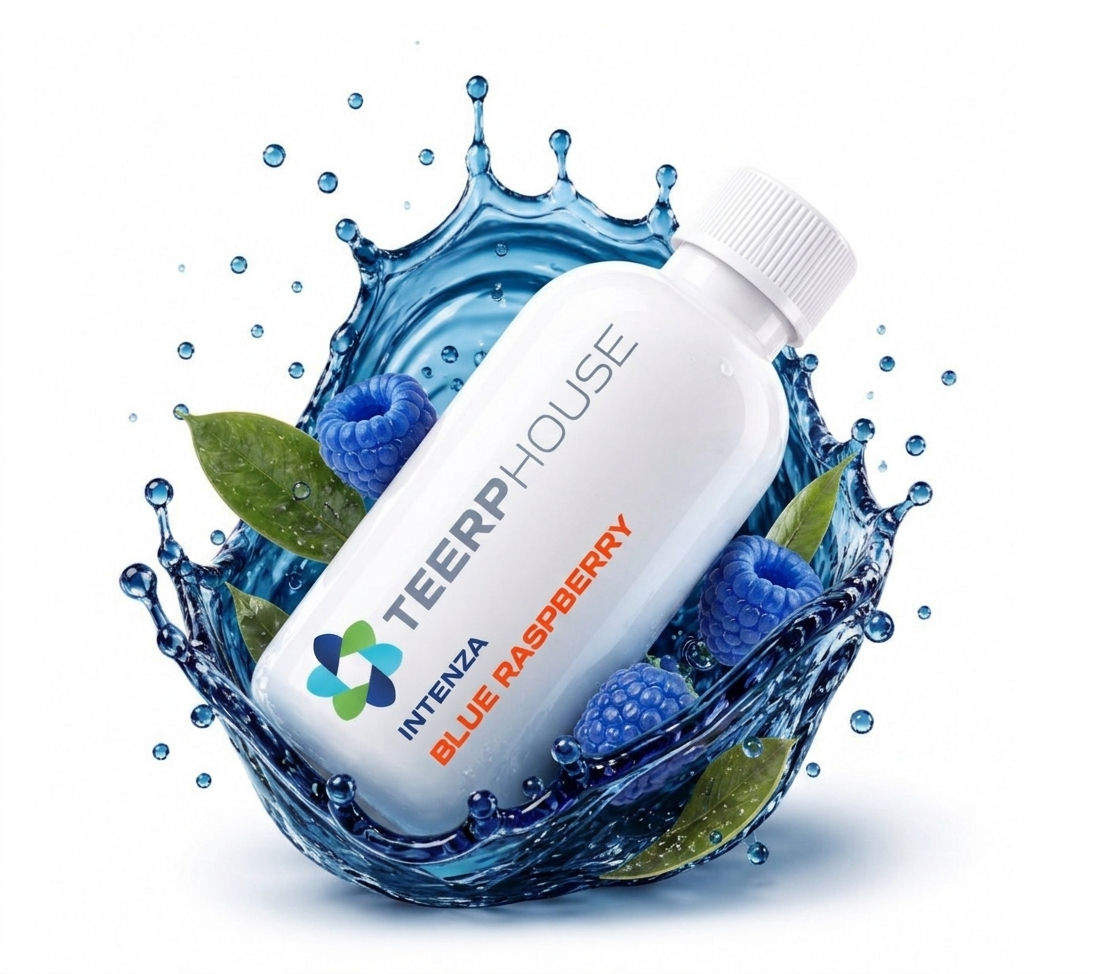


 Blue Raspberry INTENZA
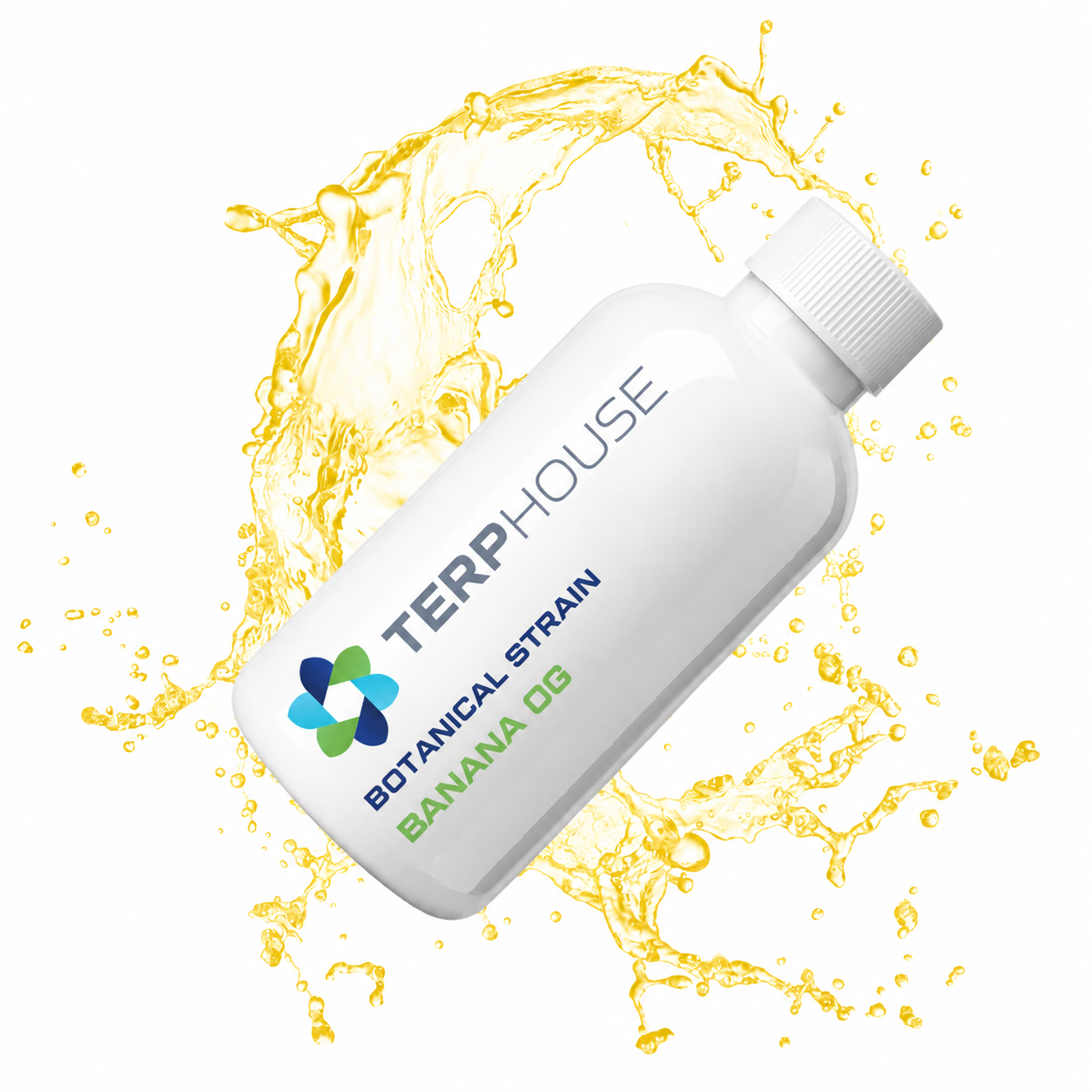
 Banana OG