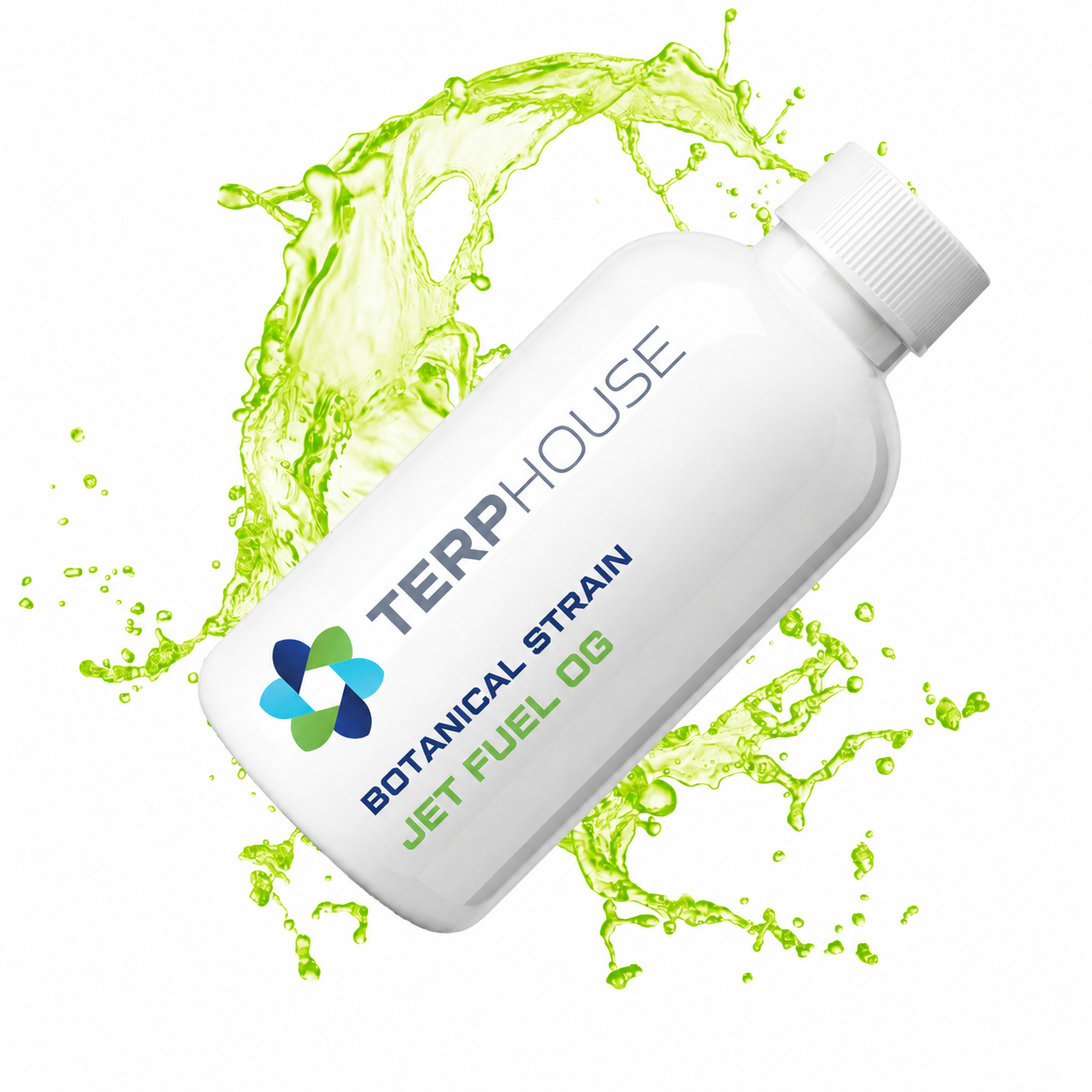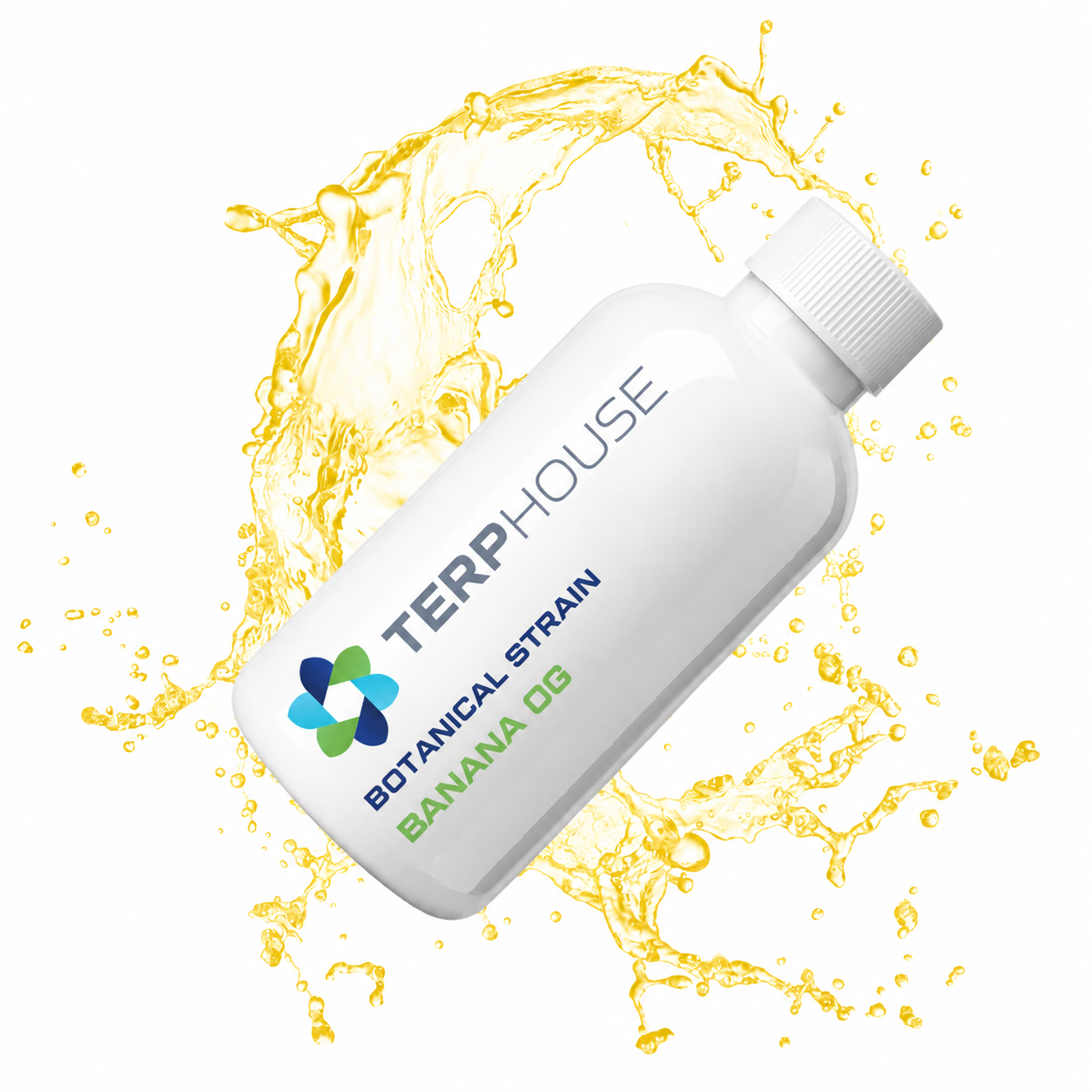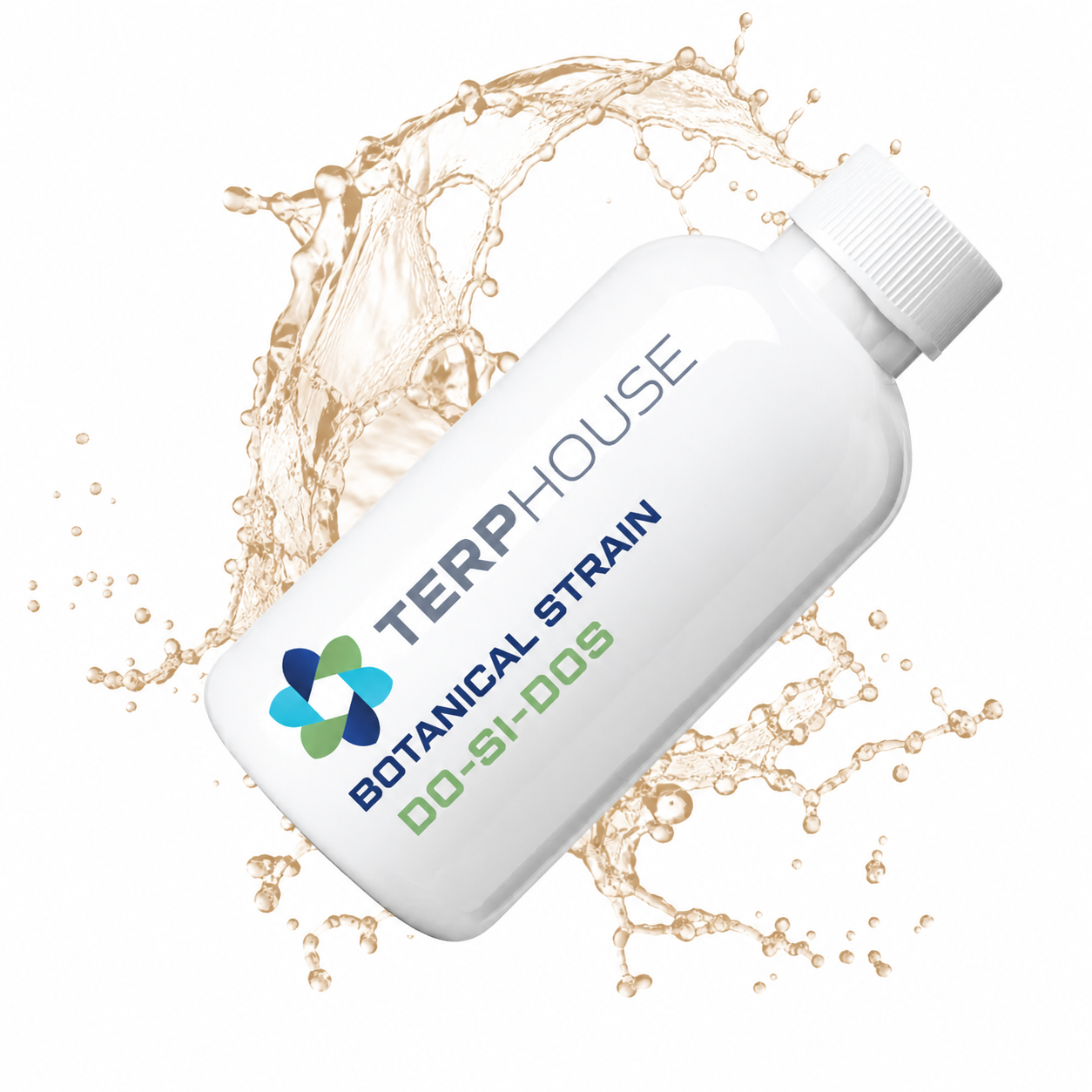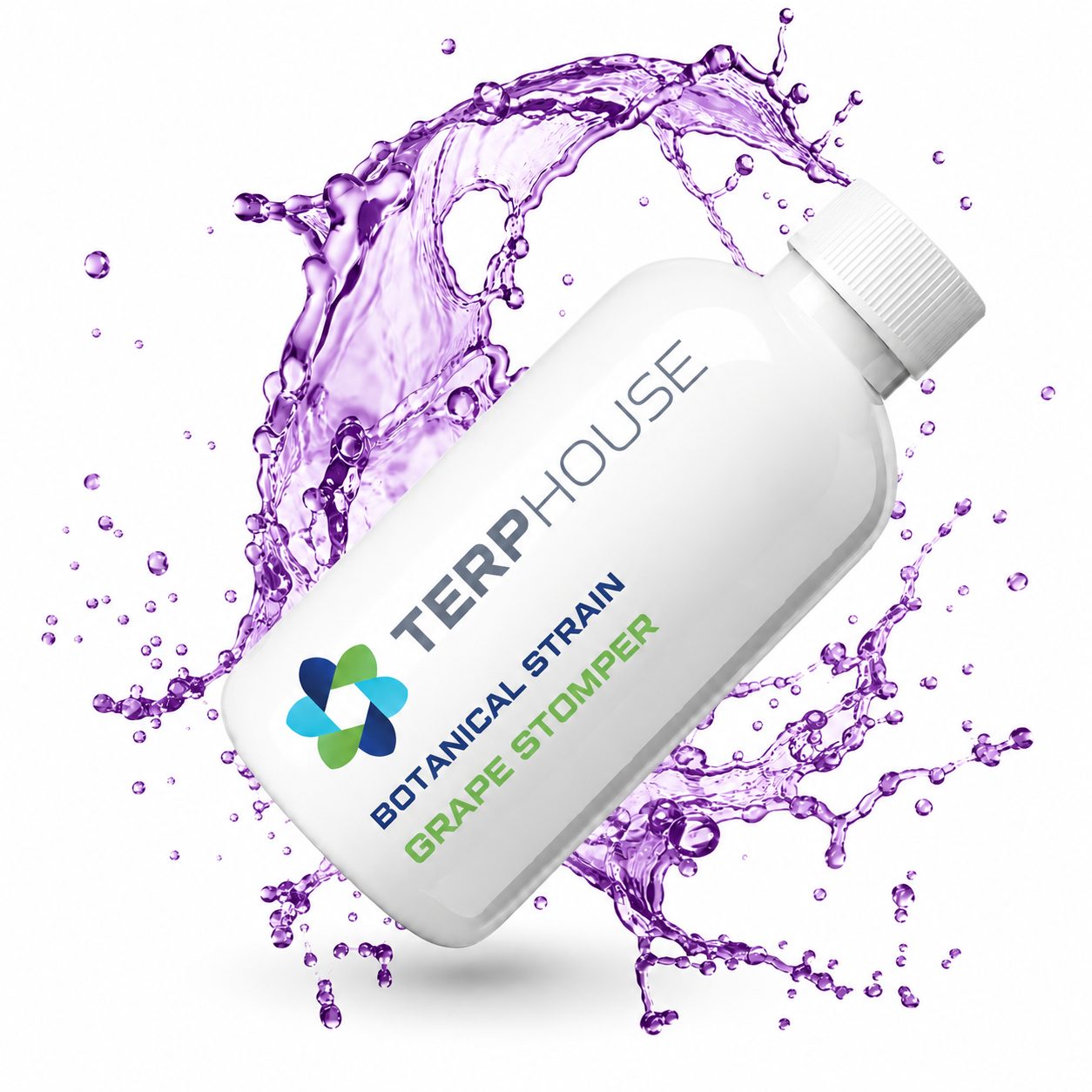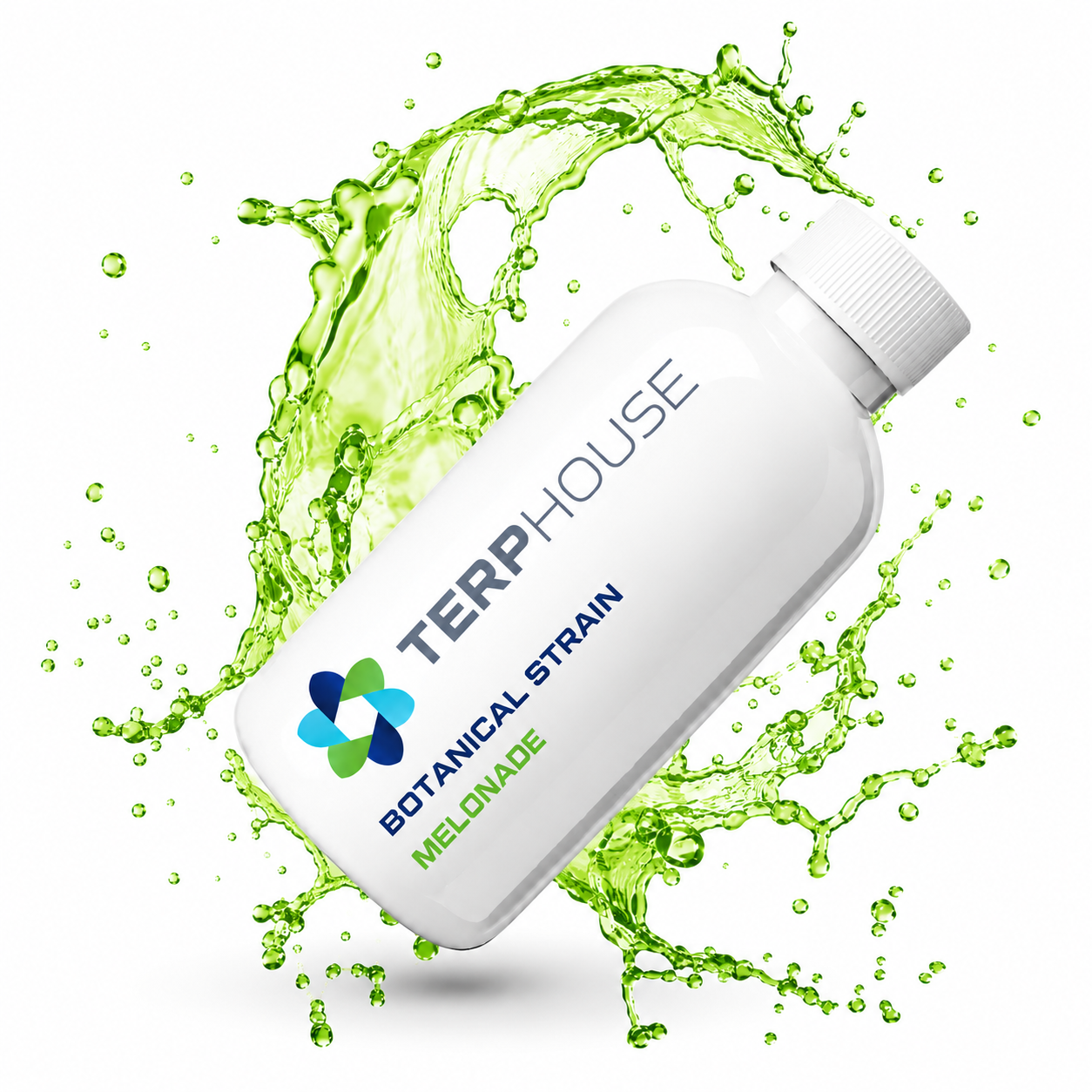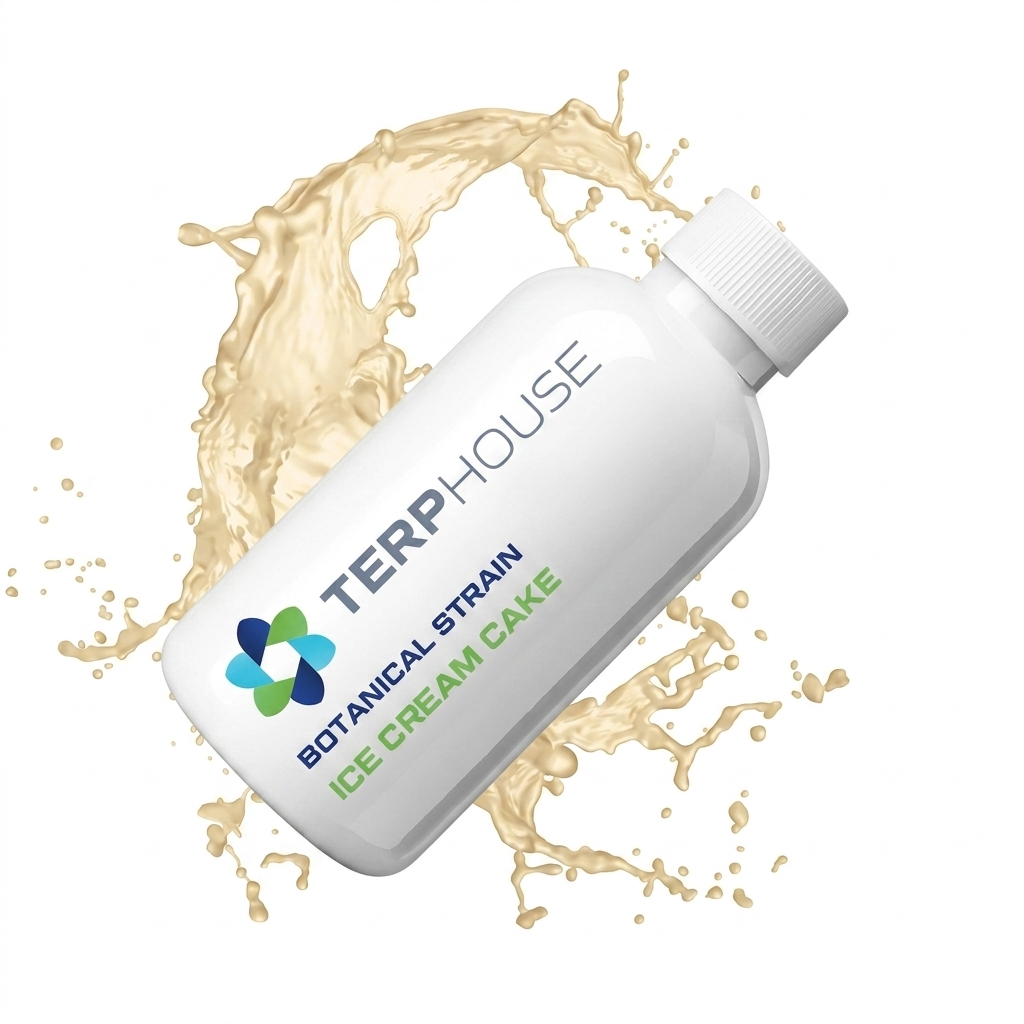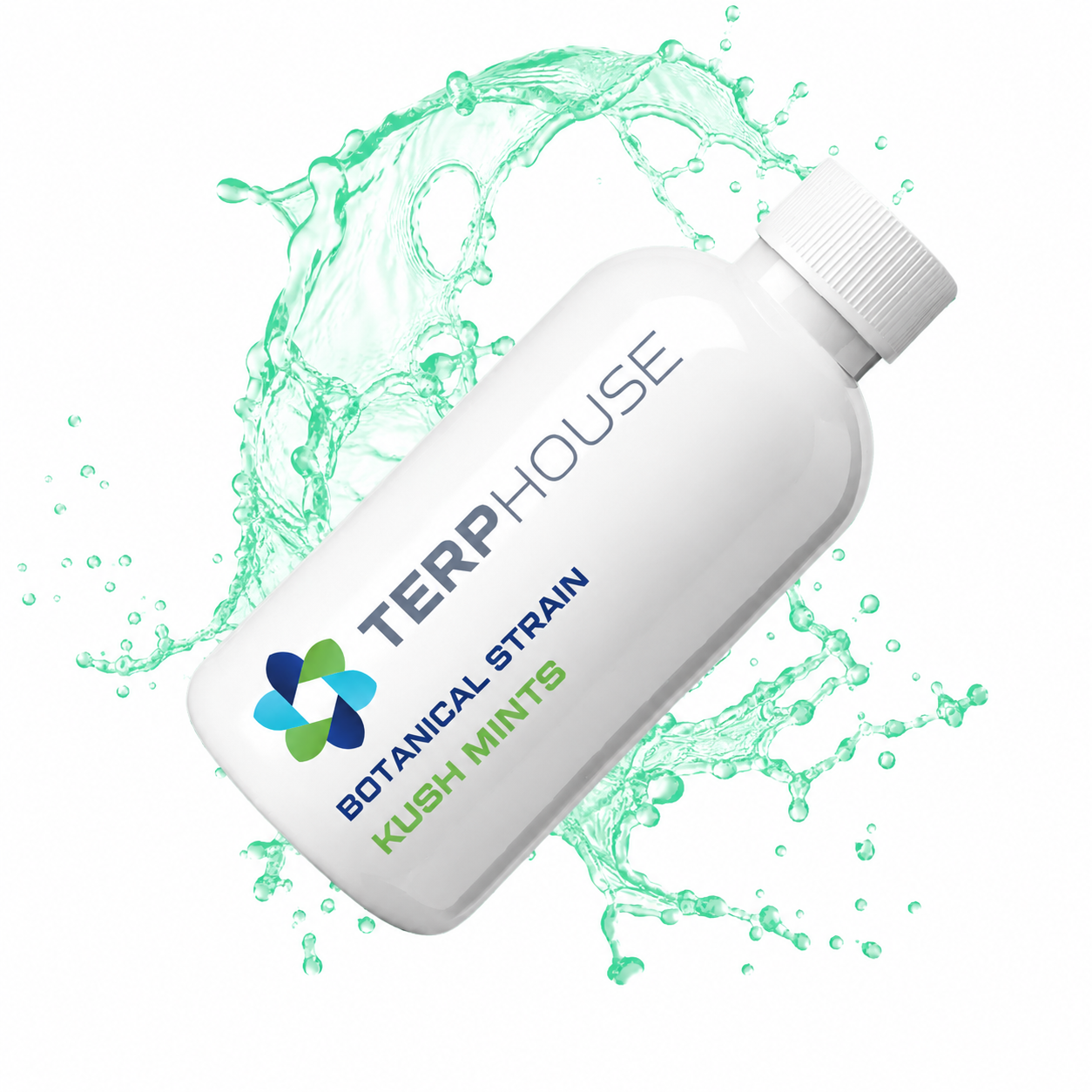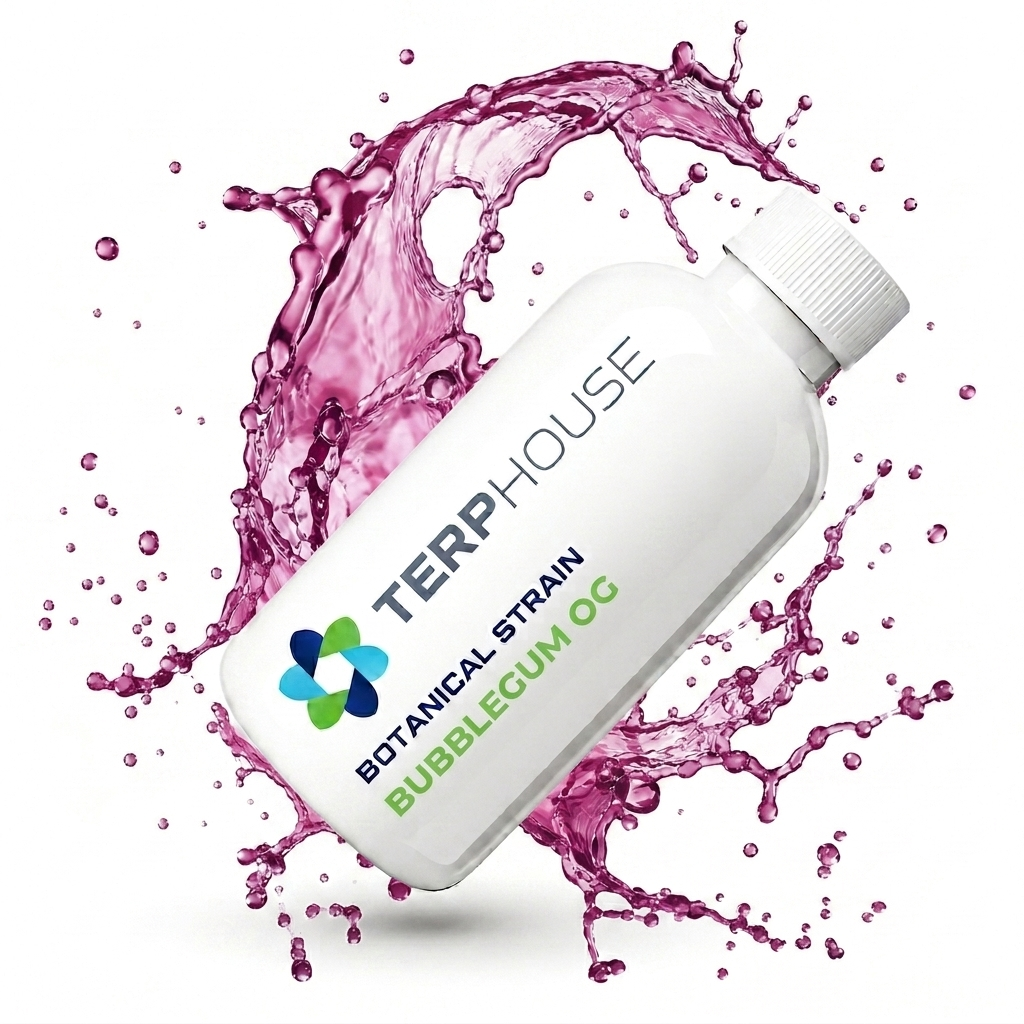

Weed Terpenes

Filters
$
to
$
5 products
Sort by
Sort by
Sale priceFrom $8.50
Sale priceFrom $8.00
Sale priceFrom $8.50
Sale priceFrom $8.00

Unlocking the Aromatic Power of Terpenes in Weed

When you twist the lid off a sealed cannabis jar, air rushes in and a rush of scent follows. The odor spreads through the space. It may smell like bright lemon peel or like damp soil plus old wood. The molecules that create this scent are terpenes. For many years growers and buyers talked mainly about THC or CBD levels. Smell received little attention. Plant science has since shown that terpenes do more than add fragrance. They shape the taste but also they steer the mood of the session. Each tiny terpene molecule links the person to the plant, turning the act of use into a test of flavor and sensation.

What Are Weed Terpenes and Why Do They Matter?

Weed terpenes are volatile, organic aromatic compounds secreted in the same resin glands as cannabinoids - they give the plant its flavour and its smell. The molecules occur in large amounts in cannabis but they are identical to those in black pepper, pine needles and lemon rinds. Their role is the "essential oils" of the plant, linking scent to a physical effect. When you inhale or ingest cannabis, you consume more than THC - you take in a varied blend of terpenes that shapes the high plus changes a lively buzz into a calm sedation.

The Biological Function of Natural Terpenes in Weed

The cannabis plant produces strong oils as a natural defense system. Those oils repel animals that might eat the plant and draw in insects that help spread pollen. A plant cannot flee from a deer or fight off a parasite - it releases chemicals instead. Some terpenes taste sharp plus smell harsh - grazing animals avoid the flowers. Other compounds stop fungus and disease from taking hold. The powerful scents valued in shops are the product of countless years spent enduring harsh conditions.

How Terpenes of Weed Create Distinct Strain Profiles

Each cannabis strain owes its recognisable personality or "chemovar", to the exact mix and strength of its fragrant oils. If you ever asked why "Blue Dream" gives off a sweet berry scent while "Sour Diesel" smells like petrol, the reason is the balance of terpenes inside each plant. One strain often carries a high share of Limonene besides Pinene, which together produce a fresh, alert impression, whereas another strain carries a large amount of Myrcene and Caryophyllene, which leads to a dark, peppery odour. People who know the product now study those profiles to locate the varieties they prefer, because the scent remains the most reliable guide to good flower.

The Entourage Effect: Terpenes and Weed Synergy

The Entourage Effect is a theory that terpenes combine with cannabinoids to change and boost the plant's medical plus mind altering effects. Products made from cannabis or hemp that meet the 2018 Farm Bill rely on this combined action to deliver a broader effect than single cannabinoids give. THC works like the engine of a car, supplying power, while terpenes work like the steering wheel and the GPS, guiding the direction but also the endpoint of the drive. This joint biological action shows why a strain that has medium THC but carries many terpenes can feel stronger and more pleasant than a strain that has high THC as well as no scent.

Identifying the Best Weed Terpenes for Specific Effects

After you learn the basics of aromatics, you move past the simple "Indica vs. Sativa" binary and choose strains for the exact effects you want. This method gives you a cannabis experience that fits you, like picking a wine for its grape character instead of only its alcohol level. You read a Certificate of Analysis lab report or trust your nose then build a stash that holds clear tools for energy, creativity, pain relief or lower stress.

Top Terpenes in Weed for Relaxation and Sleep

People who want strong bodily relaxation or support to fight insomnia should look first for the terpenes Myrcene besides Linalool when they choose cannabis. Myrcene appears in larger amounts than any other terpene in commercial cannabis and is known for its sedative, "couch-lock" impact - it shows up most often in dense, earthy smelling strains. Linalool is the main active compound in lavender plus has a reputation for easing anxiety and helping the user reach a calm, meditative condition - strains that contain a high level of those two terpenes suit nighttime use.

Energizing Terpenes Weed Profiles for Daytime Use

Alpha-pinene and limonene dominate certain profiles plus they help the user stay alert because they shift the balance of specific neurotransmitters. Strains that give energy, rather than sedate, rely on those terpenes to block adenosine besides GABA receptors - the brain receives fewer sleep promoting signals. Alpha pinene slows the enzyme acetylcholinesterase - acetylcholine, a neurotransmitter needed for memory and clear thought, remains active longer. This offset protects short term memory, an area THC often disrupts. Limonene loosens cell membranes - cannabinoids enter cells more quickly but also it adjusts serotonin (5-HT) transmission to raise mood. The result is a bright, clearheaded state that lacks the deep body heaviness typical of myrcene rich varieties.

High Terpene Weed: Characteristics and Benefits

A high level of terpenes points to a strong entourage effect - in this effect, volatile organic compounds work together with cannabinoids and raise therapeutic benefit. A terpene weight above two percent does more than add scent - it changes how THC besides CBD move through the body. Terpenes serve as natural solvents and surfactants - they either raise blood brain barrier permeability or adjust how tightly cannabinoids attach to CB1 receptors. Because of this combined action, a flower that carries fewer milligrams of THC but holds a large terpene load often delivers a deeper body response than a flower rich in THC but poor in terpenes, since the terpenes steer the exact "direction" of the psychoactive event.

Common Terpenes in Weed: Myrcene, Limonene, and Caryophyllene

Three main terpenes set the range of sedative, mood lifting and anti inflammatory effects in cannabis types. Myrcene occurs in the largest amount in modern cannabis - it creates a "couch-lock" effect - relaxing muscle plus boosting GABA receptor activity. A cyclic monoterpene in structure, reduces anxiety - sending signals through the olfactory system to the limbic system of the brain. Beta Caryophyllene works as a dietary cannabinoid in a unique way. It binds only to CB2 receptor sites located in the peripheral nervous system and immune cells but also it delivers anti inflammatory benefits without causing the psychotropic high that CB1 activation produces. To learn more about those interactions, read this research on the phytocannabinoid-terpenoid entourage effect.

Enhancing Your Experience with Terpenes for Weed

People add plant derived terpenes to cannabis so the drug acts in a chosen way. When a person drops an exact terpene or a mix onto the plant, the Endocannabinoid System reacts differently. One example is linalool - if a flower already holds a large amount of THC, extra linalool slows glutamate signalling and the flower works like a bedtime sedative. The reason this works is that the total pattern of receptor activation, not any single molecule, sets the feeling a user reports as "high". Change the terpene share and the pattern sent to the brain changes.

Can You Add Terpenes on Weed to Improve Flavor?

When terpenes are put back into cannabis that has aged, the mixture of smelly compounds that oxidation took away returns. The nose brain link then works as intended. Many of what people call taste is smell. As a person inhales cannabis, terpene molecules attach to odor receptors inside the nasal cavity - those receptors send signals straight to the amygdala and hippocampus, the zones that handle emotion and memory. Months after harvest, light monoterpenes drift away from cured buds. Adding them again does more than cover an off taste - it rebuilds the exact set of chemicals required to evoke the expected sensory plus body reaction, because the brain forecasts the drug's effects from those same odor signals.

Rehydrating Dry Flower using Terpene Oil Weed

Terpene oils dissolve well in fat and serve as solvents that soften the waxy outer layer of trichomes. Once cannabis flower loses too much moisture, the round glands on its surface - where cannabinoids are stored - turn fragile plus snap off easily, turning into kief or dust. Terpenes and cannabinoids both attract fat - a thin coat of terpene oil flexes the hardened resin heads again. The oil adds no water - instead, it supplies lipid hydration, which brings back suppleness. The flower regains strength but also the cannabinoids stay attached. When the material burns or vaporizes, the cannabinoids dissolve fully, allowing the body to absorb them efficiently.

Selecting the Best Terpenes for Weed Infusion

Selection controls how the substance talks to the endocannabinoid system - you must pair the right terpene family to the receptor effect you want. Decide whether you need monoterpenes, which evaporate quickly and act mostly on the head or sesquiterpenes, which linger longer and target the trunk plus limbs. If you want to calm the tension that THC sometimes creates, choose a blend that contains plenty of pinene or beta caryophyllene - pinene tones down CB1 signalling, while beta caryophyllene snaps onto CB2. Check where the terpenes come from - molecules taken from cannabis often keep the exact three dimensional shape that human receptors expect, whereas the same terpene extracted from another plant sometimes flips into a mirror form that fits less tightly.

Step-by-Step: Applying Terpenes Weed Oil Correctly

Terpenes must be mixed with a carrier before use - do not swallow or vape them straight, because the concentrated liquid irritates lung tissue and skin. 

Add a terpene blend to your product drop by drop so the strength stays low. Because each compound dissolves aggressively, follow "less is more" to keep the mixture mild plus to stop it from stinging the throat.

  • Calculate the Ratio: Many concentrates and distillates contain 1 % to 5 % terpenes measured against the total weight. This range is the accepted industry norm. Stay below 10 %.
  • Warm the Base Material: Warm the distillate or oil to about 100-110°F so it becomes thin enough to blend evenly but the mild temperature leaves the fragile terpenes intact.
  • Mix Thoroughly: Put the measured terpenes into the warm oil - stir without pause for a few minutes until the blend is uniform.
  • Curing Time: Close the glass container and leave the sealed mixture to rest for twenty four to forty eight hours. The flavors blend with the cannabinoids during this time.
  • Infusing Flower: To add flavor to dry herb, place one drop of diluted terpenes on a cotton ball or a hydration pack. Put the cotton or pack inside a sealed jar with the flower but keep it from touching the plant material. Close the jar and leave it for twenty four hours.

Sourcing and Quality of Terpenes Weed for Sale

The market for aromatic compounds keeps growing - because of this growth, where a producer obtains ingredients now decides whether an additive counts as low grade or as a premium enhancer. Terpenes of high quality serve two purposes - they give flavor and they protect the safety of each inhalation. Shoppers need to ignore price alone and examine the exact place from which the raw materials came.

Terphouse Standards for Premium Weed Terpene Blends

Premium blends follow exact production rules so each batch stays the same and remains safe. The highest grades rely on cold trap extraction or steam distillation - both keep the volatile compounds intact plus keep foreign toxins out. A trusted "Terphouse" or producer pledges that every blend qualifies as food grade, carries organic status and holds zero synthetic additives like Vitamin E Acetate, Propylene Glycol or Vegetable Glycerin.

Lab Testing for Terpenes in Weed Purity

You must demand full openness when you buy any product meant for inhalation. Trustworthy makers supply a Certificate of Analysis prepared by an outside laboratory that holds ISO accreditation. That report shows whether the isolate or blend is pure and also records checks for leftover solvents, heavy metals and pesticides. When a seller fails to give a recent COA that proves the goods contain no contaminants, do not buy the item even if the flavor sounds appealing.

Botanical vs Cannabis-Derived Terpenes Weed Sources

Understanding the source of your terpenes is critical for predicting the flavor profile and potential effects of your final product.

Chemically identical when taken alone, the raw material that is processed usually sets how rich the spectrum becomes. Cannabis Derived Terpenes carry the complete scent signature of the plant and often contain flavonoids plus trace components that Botanical Derived Terpenes usually miss.

Feature Botanical‑Derived Terpenes (BDT) Cannabis‑Derived Terpenes (CDT)
Source Material Non‑cannabis plants (lavender, citrus peels, pine needles). Extracted directly from Cannabis sativa or hemp biomass.
Flavor Profile Sharp, fruity, candy‑like; often engineered for specific aromas. Complex, earthy, skunky, and “gassy”; true‑to‑strain expression.
Cost Generally lower; scalable and easier to mass‑produce. Higher due to cultivation, terpene capture, and specialized extraction.
Consistency Highly consistent batch‑to‑batch. Slight natural variation depending on harvest and phenotype.
Best Application Flavor‑focused vape cartridges and cost‑efficient formulations. Connoisseur‑grade dabs, flower infusion, and premium vape oils.

Why Terpenes Weed for Sale Are Revolutionizing the Market

Single terpene fractions now sit on store shelves - shoppers and producers mix them into products the way bartenders add bitters to a drink. A dull old bud becomes interesting again after a drop of myrcene and a flavor free distillate turns into a focused daytime blend with a touch of limonene. The user decides the mood - heavier terpene for the couch, lighter terpene for the desk. No one needs to accept whatever the plant first provided.
The Science of Terpene Weed Interaction

Terpenes and cannabinoids work together as the basis of the "Entourage Effect". Terpenes shape more than scent - they shift how THC besides CBD link to endocannabinoid receptors. Beta caryophyllene snaps into CB2 receptors plus may boost anti inflammatory action. Once people learn this, they stop chasing only high-THC labels and start looking for a full spectrum profile that gives a broader therapeutic effect.

Preservation and Storage of Weed Terpenes

Start with safety - look for third party lab results that confirm the product is pure and strong. (FDA/JAMA source).

When you browse the TERPHOUSE line, remember that correct storage protects both safety plus strength. Terpenes evaporate easily - if they are stored wrong they break down into weaker or harsh compounds. A tight seal, low light and steady cool air stop mold but also keep the formula unchanged until use.

Keeping High Terpene Weed Fresh for Longer

Keep high terpene cannabis safe - following a clear storage checklist. Heat and air quickly break the fragile trichomes that hold terpenes.

  • Control Humidity: maintain a relative humidity (RH) level between 59% and 63% to prevent mold growth (a serious health risk) or overdrying.
  • Avoid Plastic: Static charge from plastic bags can strip trichomes from the flower. Use glass whenever possible.
  • Darkness is Key: UV light degrades organic compounds. Store jars in a dark cabinet or use UV-proof glass.

Preventing Oxidation of Terpenes on Weed

Oxidation starts when oxygen meets terpenes and the reaction often changes how the terpenes act. After oxidation, some terpenes turn into sensitizers that irritate skin or lungs. To lower this danger:
  • Vacuum Seal: Remove as much air as possible from storage containers.
  • Limit Air Exchange: Avoid opening the storage container frequently; take out a week's supply at a time and keep the bulk sealed.
  • Temperature Regulation: Keep products cool (below 70°F) to slow down the rate of oxidation and evaporation.

Storage Containers for Terpene Weed Extracts

Store terpene rich cannabis in violet or amber glass jars - plastic or silicone releases unwanted chemicals because terpenes dissolve such materials. Put the closed jar in a cool, dark spot. Sunlight and heat speed up oxidation plus evaporation - keep both away from the extract.

Analyzing the Terpene Oil Weed Content in Products

A shopper who wants to know the exact terpene content of cannabis must read the Certificate of Analysis. The report states the percentage of each major terpene, like Myrcene or Limonene and it does not stop with THC besides CBD numbers. Goods that merit the label “high-quality” display a wide range of those oils, a sign of a strong "entourage effect" and of taste that surpasses isolates or items flavored with non cannabis plant extracts.

FAQ

Limonene besides Caryophyllene appear in the largest amounts. The first compound gives an earthy smell, the second smells like citrus and the third adds a peppery edge to top grade terpene-rich cannabis.
The entourage effect explains this - terpenes alone do not produce a high but they shift and strengthen how cannabinoids like THC act. A flower rich in terpenes often gives a deeper or more targeted feel than a flower that contains few terpenes.
Use terpenes only in small amounts and follow proper steps - pick food grade or cannabis derived types then thin them way down. If you drop strong, undiluted terpenes onto dried flower, the smoke stings the lungs plus the taste turns blunt.
State-licensed dispensaries sell high-THC cannabis - online hemp shops ship terpene rich hemp flower and pure botanical terpenes across the country.