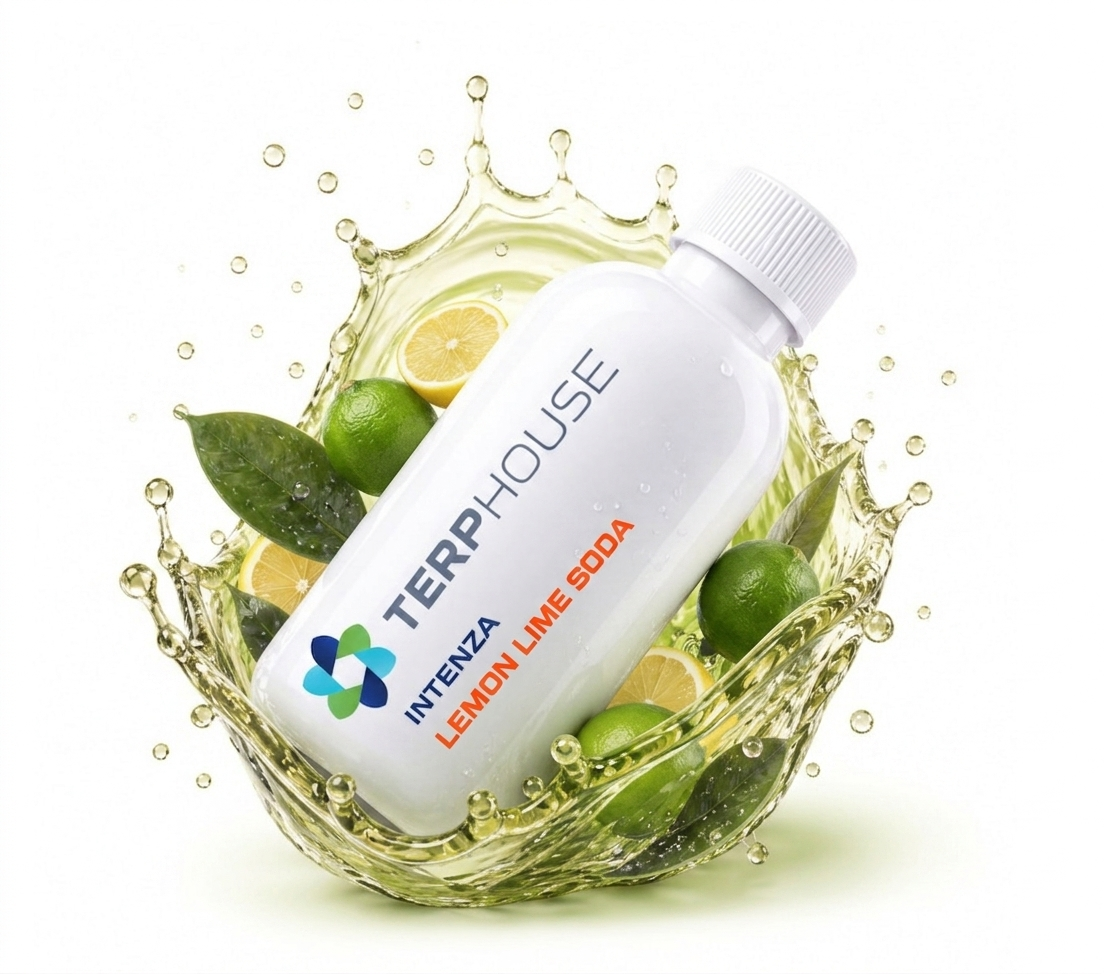
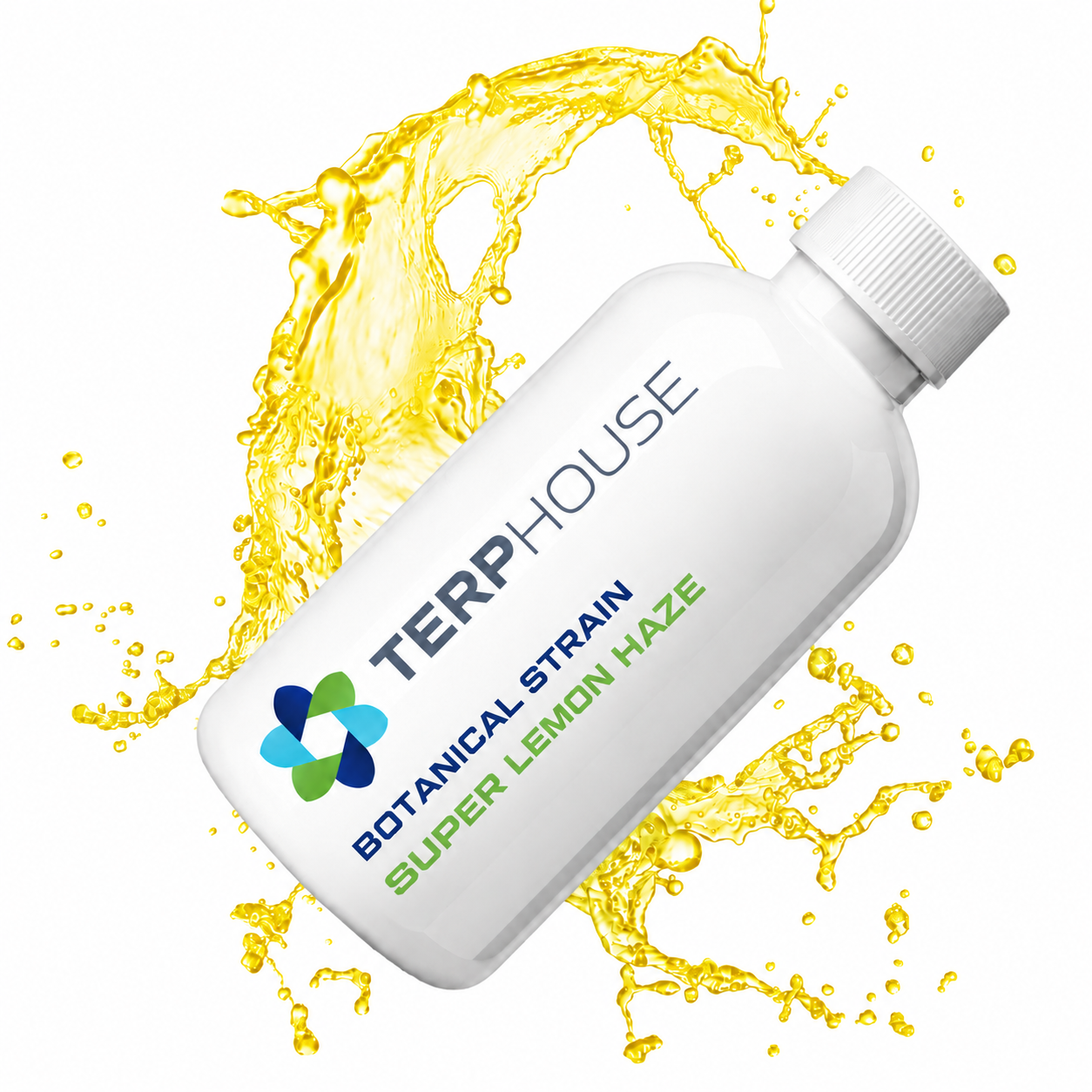
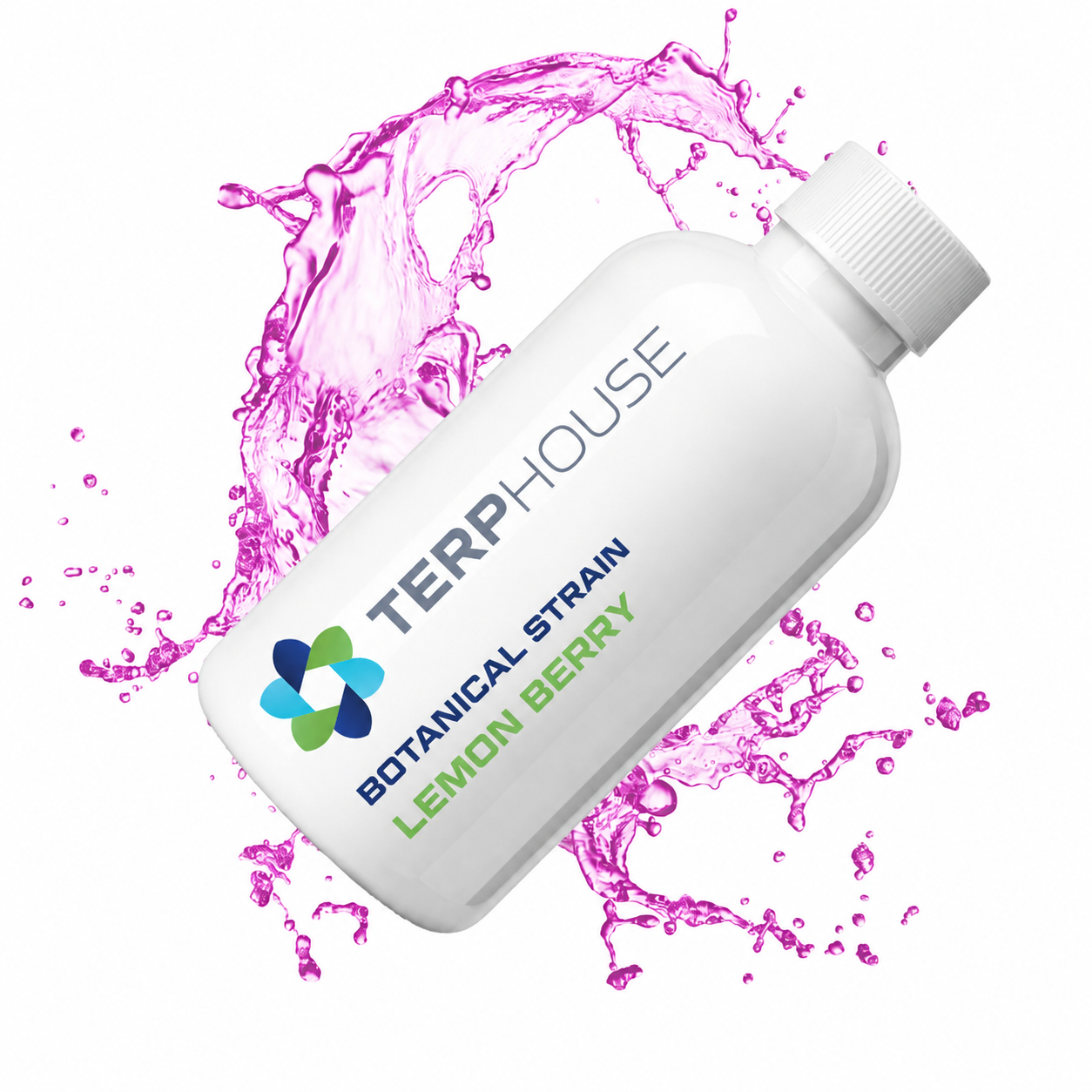
Citrus Flavors Terpenes

Filters

$
to
$
4 products
Sort by
Sort by
Sale priceFrom $8.50
Sale priceFrom $8.00

What Our Customers Say

Why Citrus Flavors Dominate the Terpene Market

A sealed jar cracks open - a burst of lemon strikes the nose like a blade. The first breath is sharp, bright and impossible to ignore. Citrus dominates both the plant world plus the cannabis market. Shoppers return again and again for smells that feel lively but also upbeat. The scent comes from volatile molecules - limonene, valencene, terpinolene. Each compound carries a signature that is sour, sweet and acidic immediately. Together they create the clear picture of fresh peel as well as squeezed zest. Those molecules remain on the right side of the law - hemp plants and other botanicals supply terpenes that contain no THC or other mind altering cannabinoids. Federal rules classify the extract as legal. Producers ship it across every state line without penalty. People do not chase citrus by accident. The pull is ancient - bright, ripe fruit once signaled safe calories or water to our ancestors. The brain still responds to that signal. The lemon note keeps its crown.

The Global Appeal of Citrus Aromas Across Industries

People enjoy sharp citrus scents far beyond the doors of modern cannabis stores. Long before growers combined plants to raise limonene levels, cooks, perfume creators and healers relied on those same bright smells. Early European perfume makers bottled bergamot's piercing note plus ancient wellness writings commend sweet orange oil for its cheering impact. Each tradition holds the scent as the standard for freshness. Extraction laboratories now replicate that global appeal. They blend the identical plant recipes into vape liquid, sweets and tinctures - the taste seems familiar but also welcoming as soon as it meets the tongue.

What Drives Demand in the Citrus Flavors Market

Shoppers today hunt for flavors that give an immediate mental or physical boost. Sales of taste additives rise fast because many people trust that specific tastes heal and energize. Inside cannabis circles, people link tart citrus strains to morning use, artistic tasks and busy gatherings. A buyer who picks a terpene mix hands over money for more than taste - the buyer also buys hope for fresh energy. Plant science plus the health trade move nearer every year - demand for plant compounds that spark light, joyful feelings keeps rising.

How Citrus Flavor Ingredients Create Bright, Clean Profiles

Citrus flavor tastes light and clean when plant chemicals are exact. Esters plus aldehydes create the bright core. Limonene delivers the first sharp note. Citral adds strong peel bitterness and linalool gives a soft floral sweetness. Those compounds stack into layers. A balanced blend excites taste sensors but also lifts away heavy, earthy notes. The mouth receives a crisp, sparkling finish that feels fresh.

Read More

Citrus Aromas and the Science of Freshness Perception

Humans possess an innate biological mechanism that ties the scent of a freshly cut lemon to purity and cleanliness. Experiments on the perception of freshness reveal that specific fragrances stimulate the trigeminal nerve. The nerve transmits a mild, agreeable prickle and the brain immediately marks the input as "clean" and "revitalizing". This hard wired response transforms a dense, musty extract into a radiant product as soon as lively terpenes reappear. The change triggers the release of serotonin plus dopamine beneath conscious awareness - the consumer's first encounter is a sudden surge of neurological clarity.

The Full Citrus Flavor Spectrum

All members of the group show the same intense brightness but within that one quality lies a broad spread of tastes that resists simple charting. When every profile receives identical treatment, the quiet influence of plant genes and the exact terpene blend is missed. The scale begins with the piercing, nose prickling sourness of a bitter grapefruit and ends with the dense, honey sweet flesh of a Mandarin orange. After the scale becomes plain, shoppers plus product builders gain the power to pick the exact sensation they seek, if it is a dawn jolt for the tongue or an evening calm, dessert style treat.

Lemon Strain Profiles - Zesty, Sharp, and Unmistakable

Lemon dominates the profile - subtle notes stay absent - the scent rushes out the moment the seal breaks. Super Lemon Haze besides Lemon Skunk earned their reputation because of this same bright, sharp aroma. The fragrance stays inside astringent, tart and slightly piney ranges - it recalls both fresh peel and raw juice. The lemon note hits the user like a sudden electric jolt to perception - it jerks the mind awake, clears away dullness plus leaves a flavor so crisp that it appears to spark on the exhale.

Orange and Tangerine: Sweeter Side of Citrus Aromas

Lemon varieties strike the senses with sharp urgency - orange and tangerine types deliver warmth comparable to a noon walk beneath fruit trees on a Mediterranean shore. Cultivars named Tangie, Agent Orange besides Mimosa occupy the sugary extreme, trading bright acidity for heavy, syrup like, almost candy sweetness. The terpene valencene shapes most of this profile, freeing a thick, candied peel aroma that stays on the tongue. Every draw coats the palate in a gentle, cushion like film, guiding thought toward tranquil joy, much like swallowing a glass of hand squeezed citrus juice while morning sunlight floods an early summer day.

Lemon Orange Strain Blends and Why They Work So Well

Citrus oils from lemon and orange smell compatible because both contain D-limonene plus valencene. The shared molecules stimulate more types of olfactory receptors than either oil alone. In living cells, the mixture activates only when multiple different G-protein coupled receptors fire together. D-limonene switches on adenosine A2A receptors - the same step boosts dopamine release - the person feels lighter and brighter. Valencene but also beta myrcene, both found in orange oil, are bulkier terpenes. They relax the tight junctions that seal the blood brain barrier. Once the barrier opens, limonene reaches brain tissue faster. The entourage effect shows up sooner and the combined signal delivers both energy as well as calm.

Grapefruit and Pomelo Notes for Complex Bitter Citrus Profiles

A sudden citrus bitterness emerges when trace thiols encounter oxidized terpenes like nootkatone and the two groups of molecules activate bitter taste receptors. Grapefruit and pomelo cultivars draw their distinctive dryness from sulfur volatiles like 3-mercaptohexan-1-ol - those compounds contact the human TAS2R bitter receptor family. After the molecules attach to TAS2R38 receptors, the trigeminal nerve sends a signal that the gustatory cortex interprets as bitter citrus. Research outlined in NCBI/NIH demonstrates that oxidation alters the structure of specific sesquiterpenes and, as a consequence, their binding strength - the outcome shifts perception from the purely sweet TRPM5 pathway toward a complex physiological response.

Rare Profiles: Lemon Citron Strain, Yuzu, and Bergamot

Rare citrus cultivars gain their distinct attributes from high levels of linalool and uncommon terpene forms that act on the limbic system. Varieties that evoke bergamot or yuzu contain large amounts of linalool and beta pinene alongside the standard limonene. Linalool attaches to ionotropic glutamate receptors inside brain tissue plus functions as a negative allosteric modulator - it reduces excitatory signaling. Neurochemical activity subsides in gradual stages. Limonene on its own usually increases alertness but the complete terpene blend pushes the endocannabinoid system into a stable state. The body achieves a steady, level calm that characterizes those unusual citrus types.

Fan-Favorite Citrus Strain Profiles

Citrus-dominant varieties occupy the top of the market because their terpene ratios are adjusted so that therapeutic receptors attach more efficiently. The human endocannabinoid system reacts with notable force to precise proportions of native terpenes and cannabinoids. The most desired plant chemotypes display a distinct biochemical signature - a high percentage of limonene, which increases serotonin 5-HT1A receptor activity, together with minor terpenes that determine the overall bodily reaction. This specific molecular balance allows the primary terpenes to act as directional cues - they steer cannabinoid preference toward CB1 receptors for mental stimulation or toward peripheral sites for physical ease.

Super Lemon Strain - Explosive Zest and High-Intensity Aroma

A pungent odor arrives because terpinolene and beta caryophyllene speed limonene's exit from the surface plus help it cling to scent receptors. Terpinolene departs the sample almost instantly - it occupies receptors in the olfactory bulb as soon as air carries it there. Within the same blend, beta caryophyllene performs a distinct task - it binds to CB2 receptors located outside the brain and triggers a sequence that reduces inflammation. Those two processes occur at the same time - scent neurons fire within one second, while CB2 sites activate throughout the body. The combined effect produces an intense sensory pulse that the brain interprets as a burst of energy but also heightened perception.

Lemon Drops Strain Profile - Candy-Sweet with Sour Edge

The brain detects a candy like sweetness that carries a sharp sour note when alpha pinene and camphene occur in a specific ratio. Those two terpenes activate both the sweet responsive plus the sour responsive ion channels right away. PKD2L1 channels, which are present in taste buds and in the olfactory epithelium, process the "sour" sensory signal. Cultures that display a "Lemon Drops" profile contain small amounts of acidic terpenes. Those acids lower the pH of the nearby mucous membrane just enough to activate the sour detectors. At the same time, ester molecules that resemble sucrose enter the taste pathway but also cause the gustatory cortex to classify the input as sugar. The system produces a two step sensory illusion.

Lemon Fruz Strain - Fresh Fruit with Tropical Undertones

Tropical undertones surface in citrus strains once myrcene and humulene adjust the speed at which cells absorb the primary citrus terpenes. Beta myrcene serves as a potent agent that increases membrane permeability. Through this effect, the heavier sesquiterpenes that carry tropical scent - humulene plus bisabolol - cross into the brain alongside limonene with far greater ease. The ensuing neurochemical shift briefly suppresses GABA activity and modifies amygdala operation, yielding a "fresh fruit" sensory event that the body reads as gentle euphoric feedback.

How to Layer Multiple Citrus Profiles for Maximum Complexity

One individual layers multiple citrus aromas and sets off a complex, collective reaction because the blend switches on many G-protein coupled receptors right away. A mixture of various citrus types supplies the body with a broad, high quantity dose of monoterpenes, sesquiterpenes plus rare thiols. The strategy strikes many targets - sensitivity at the 5-HT1A & A2A binding sites declines more slowly. The tiered aromas occupy numerous allosteric sites on both cannabinoid and non cannabinoid receptors - the endocannabinoid system reaches its maximum modulation level. The surge of compounds stabilizes physiological influence, lengthens the time span during which the effect stays active but also refines sensory perception to a far greater extent.


Key Terpenes Behind Citrus Flavors

TERPENE PRIMARY AROMA FUNCTION IN CITRUS BLENDS
Limonene Lemon, Orange, Bright Citrus Acts as the core foundational flavor for all citrus profiles.
Terpinolene Pine, Floral, Herbal, Fresh Provides a complex, multi-dimensional supporting top note.
Alpha-Pinene Pine, Earthy, Rosemary Adds a sharp, biting undertone to mimic fresh citrus rinds.
Citral Intense Lemon, Lemongrass Enhances both sweetness and tartness simultaneously.
Linalool Lavender, Sweet, Floral Smooths out sharp acidic notes for a balanced, mellow finish.

Limonene - The Star of All Citrus Aromatic Profiles

Limonene delivers the strongest punch in citrus flavour - lemon peel, orange peel and grapefruit peel hold high concentrations of the terpene. When released, it gives the bright, crisp plus lively aroma that consumers immediately connect with fresh citrus. In any formulation where citrus leads, limonene acts as the primary foundation that directs the entire sensory profile.

Terpinolene and Alpha-Pinene as Supporting Citrus Notes

Limonene provides the primary citrus note - terpinolene and alpha pinene supply the secondary facets that complete the profile. Terpinolene offers a faint woody herbal nuance - it turns a simple lemon scent into the smell of an intact fruit. Alpha pinene brings a crisp pine trace that mirrors the bitter, earthy surface of authentic citrus peel and gives the blend a credible realism.

Citral and Linalool: Adding Smoothness to Sharp Citrus Aromas

High doses of citrus oils push the taste toward sharp, dry or rough sensations on the tongue. Citral raises the natural sweet lemon lime note. Linalool introduces a mild floral tone. The two compounds act as softeners. They prevent the citrus profile from becoming excessively sharp and they deliver a rounded, pleasant flavor.

Blending Citrus Flavor Ingredients for Balanced, Lasting Profiles

High-grade citrus aroma relies on a precise mix of light, fragrant molecules. The most fleeting note, gains stability when linalool and pinene join the blend. Those two slower evaporating compounds anchor the scent so the opening smell, the mid palate plus the lingering finish stay the same. Their proportion also limits both spoilage and reaction with air during storage.

Applications for Citrus Flavor Profiles

A beginner with citrus terpenes starts - weighing or measuring a tiny portion of the material, usually between one and three percent of the total batch. At this low concentration, the blender detects how forceful the orange, lemon or lime character is plus notices if it causes personal discomfort. Once the aroma and flavour feel agreeable but also harmless, the blender may increase the dosage in subsequent tests.

Citrus Terpenes in Vape Oils - Performance and Stability

Citrus terpenes are common in vape cartridges and distillates because they give a fresh taste plus naturally lower thickness. Limonene and related terpenes evaporate quickly - the mixing stage needs tight temperature control. Workers mix those terpenes at low temperatures to preserve the flavour but also to keep the final product stable during storage. Low temperature keeps the vapour smooth, consistent and full of flavour from the first inhalation to the last.

Using Citrus Aromas in Concentrates and Infused Products

Citrus-flavored terpenes work beyond vaporizers - they dissolve without residue in concentrates, tinctures and ready-to-eat products. Aggressive extraction strips away fragile plant aromatics - a measured addition of lemon, lime or orange terpene restores the fresh scent. Gummy squares, hard lozenges plus bottled drinks gain the same advantage. The sharp zest masks the earthy, soil like undertone of crude botanical resin - the finished item delivers a bright flavor and refreshes the palate.

Safety, Checklist, and Risks for Citrus Terpenes

Safety is the top priority - when you handle citrus flavors, you must learn how to judge the raw materials. Some suppliers offer adulterated oils or mix in low cost synthetic extenders that dilute the formula. Examine every label and request a full component list from the supplier. Use only batches that pass established safety tests - those tests protect the company reputation and the end consumer.

Citrus Flavor Sourcing Checklist

  • Request Full Documentation: Never purchase without a complete, up-to-date Certificate of Analysis (COA) and Safety Data Sheet (SDS).
  • Check Labels Carefully: Ensure all terpene profiles are completely free from harmful additives, unauthorized diluents, or heavy metals.
  • Watch Out for Fakes: Unverified, imitation citrus profiles often rely on harsh, unstable synthetic chemicals rather than authentic, food-grade botanical isolates.
  • Verify the Supplier: Partner with established industry leaders like TERPHOUSE to guarantee batch-to-batch consistency and strict safety compliance.

Potential Formulation Risks

Terpene profiles that reach the plant without verified identity papers place the whole product range at risk and buyers stop trusting the brand. Cheap citrus blends frequently retain solvent residues, hidden thinning agents or fragile molecules that decompose as soon as standard production heat is used. Eliminate those hazards - rank safety above all, inspect every label without interruption, instruct procurement personnel on which materials to refuse and admit only components that a third party lab has fully tested.

FAQ

Citrus flavoring systems need precise temperature control so their structure stays intact. Terpene compounds give citrus its taste but they evaporate or break down when heat increases. Producers wait until the mixture cools near the end of the process then they add the flavoring.
Yes but the producer must label the terpenes clearly as food grade. Premium botanical terpenes that comply with food safety rules are present in many foods and drinks. Manufacturers include them to enhance or replicate the authentic taste of citrus fruits.
The fragrance holds an even balance and brightens the mood with remarkable force. Limonene dominates the odour - it is both weighty plus transparent. Subtle earthy hints and mild sweet tones rest below it. Those elements form a profile that gives a piercing, clean scent, a blend customers return to purchase repeatedly.
Begin with primary isolates as the foundation - introduce secondary compounds in small quantities. Blend pinene with myrcene and additional compatible botanical molecules - no single terpene overpowers the others. The finished profile acquires the layered character found in living plants plus the citrus facets stay away from the harsh odor typical of artificial cleaners.