Terpenes for Vapes

Filters

$
to
$
5 products
Sort by
Sort by
Sale priceFrom $17.00
Sale priceFrom $16.00

What Our Customers Say

5.0
Based on 2 reviews
5.0
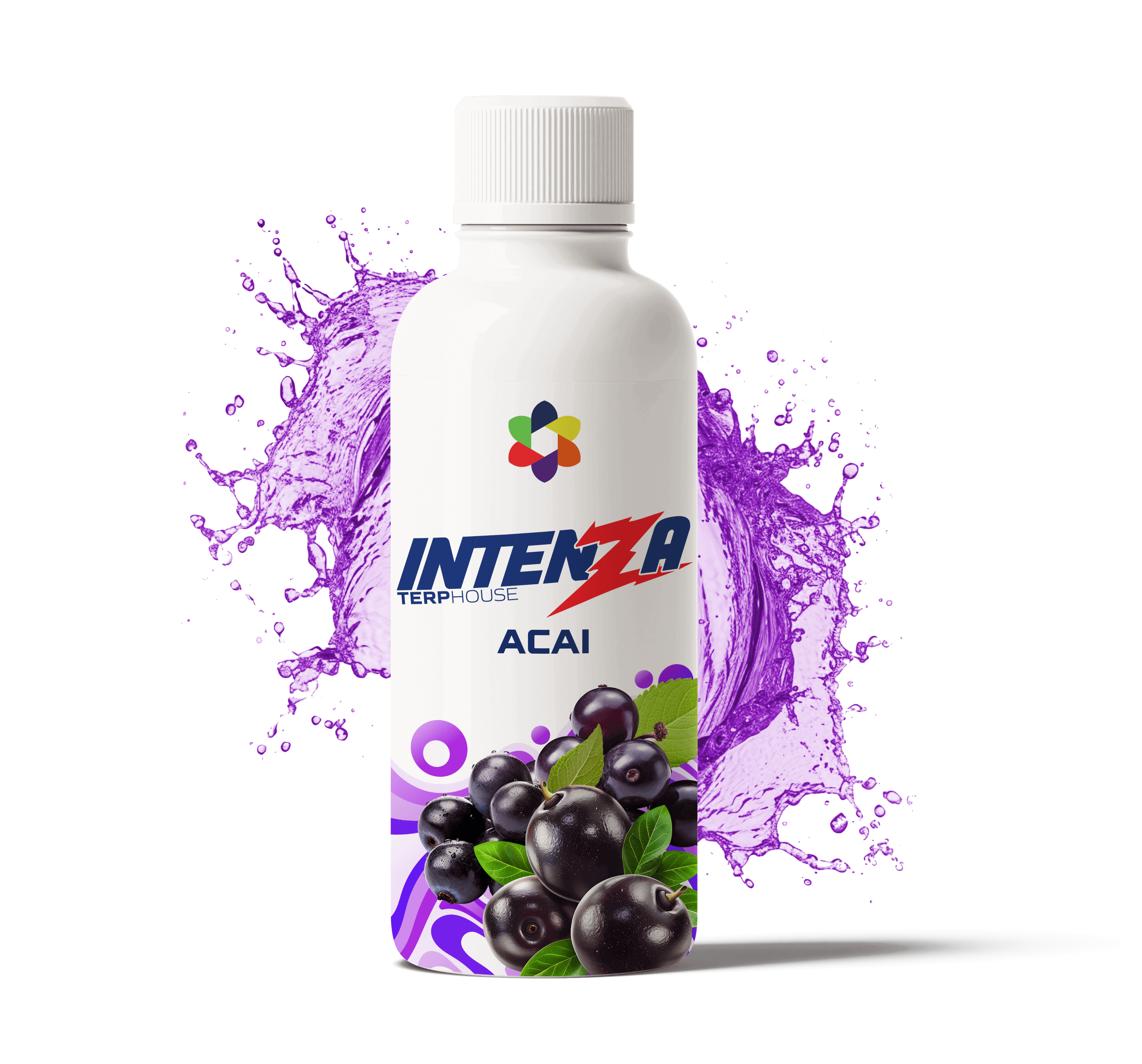
Normally a skeptic, but this Acai Intenza is incredible. I put a small drop in my morning smoothie and it has the real, tangy acai berry taste. No fake aftertaste, which is a big deal.
Ethan C. Verified
Acai INTENZA Acai INTENZA
5.0
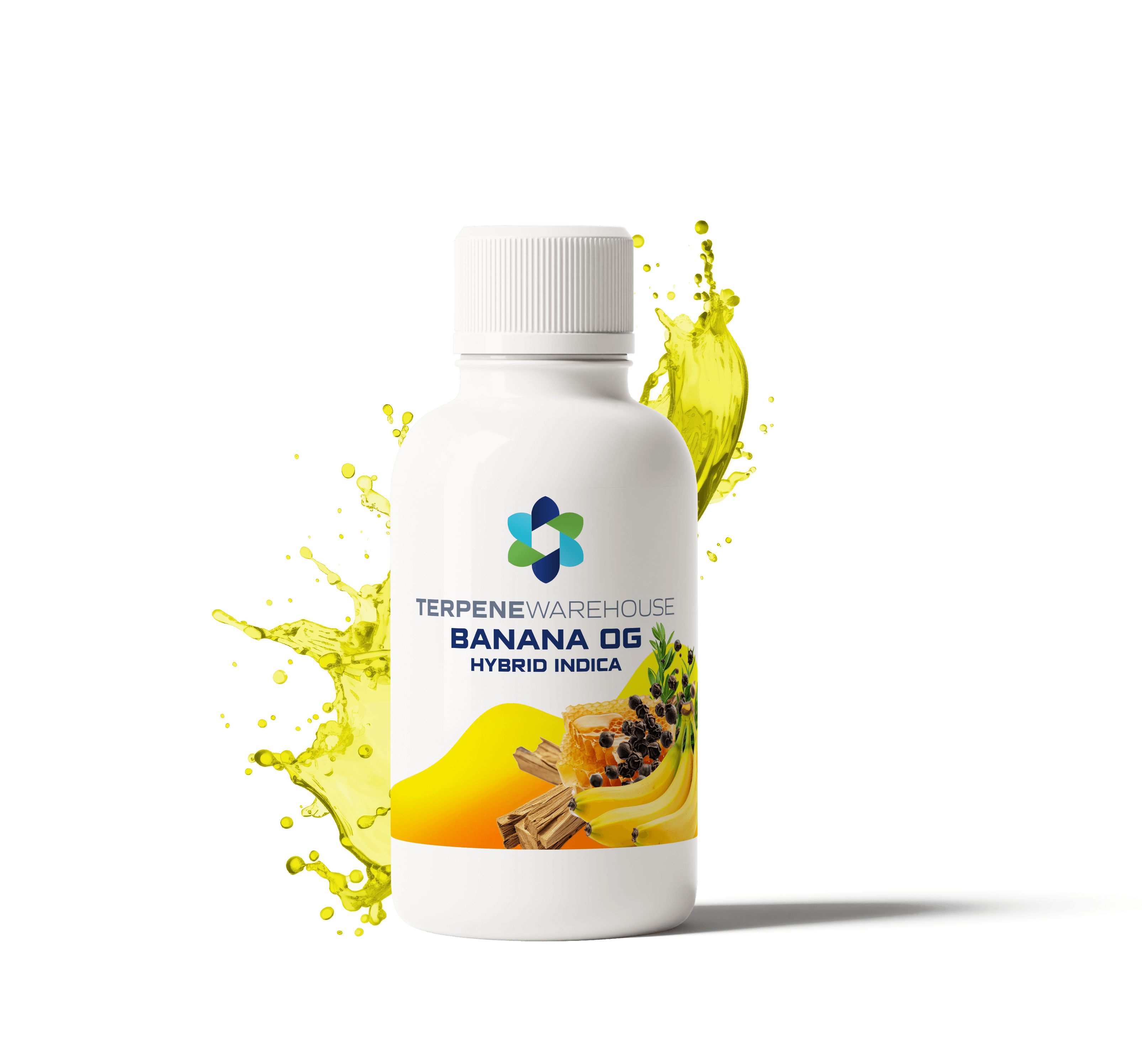
Banana OG is straight fire. You get that ripe banana sweetness up front, then it shifts into that classic OG funk. I blend it into live resin carts and it boosts both flavor and feel. Terpene Warehouse nailed this one.
Mike R. Verified
Banana OG Banana OG

High-Performance Terpenes for Vapes: Flavor & Viscosity Solutions

The first plant material vapes aimed for the highest THC - the oil stayed thick, tasted flat and needed thinning with propylene glycol or vegetable glycerin before it would move. Makers mix in terpenes taken from each strain. Those same compounds that give the plant its smell also thin the oil - it wicks into ceramic heaters without extra factory additives. The pen now smells like the source flower and holds fewer unwanted compounds.

The Role of Terpenes in Modern Vaping Experience

Terpenes give plant material its character and change a plain high into a distinct experience. THC plus other plant-derived compound provide the raw force for psychotropic effects - terpenes serve as the control that points the result toward relaxation, alertness, creativity or pain relief. In today's vaping, terpenes have raised the device above a mere nicotine substitute and turned it into a precise tool for aromatherapy but also plant based medicine. Formulators and consumers must know this, because the quantity as well as type of terpenes inside a cartridge fix the quality of the vapor.

Why Vape Terpenes Are Essential for Full-Spectrum Effects

A vape liquid that holds only pure plant-derived compounddoes not give the full effects of the complete plant. Users of this kind of cartridge often describe the result as "flat" and dull. When manufacturers mix terpenes back into the oil, they restore the volatile compounds lost during short path distillation.

Enhancing Flavor and Aroma in Terpene Vape Juice Formulations

A premium vape cartridge satisfies the senses only when each flavor part is weighed precisely. Igniting plant matter destroys most delicate molecules before they reach the tongue but a vaporizer heats the oil at a lower temperature - the fragile attributes of the terpene heavy fluid remain unchanged. Creating that fluid calls for caution. When terpene content rises too far, the vapor grows harsh and scrapes the throat. When it falls too low, the flavor turns dull. Expert formulators arrange sharp top notes like Limonene, gentle middle notes like Linalool and deep base notes like Caryophyllene. Every draw passes through this order, freeing one layer after the next plus offering the user a flavor pattern as layered as a well prepared meal.

Terpenes for Vapes vs Traditional E-Liquid Flavorings

Botanical terpenes and the synthetic flavorings in ordinary e-liquids sit on opposite sides of a wide divide. Common nicotine juices use food grade esters plus aldehydes held in thick carriers to copy candy or dessert taste. Terpenes sold for vape pens, by contrast, are active hydrocarbons taken straight from plants -plant material, lavender, citrus or others. This difference matters first for honest flavor - the draw recalls "Blue Dream", not "Blue Raspberry". It also matters for safety and thickness. Terpenes blend without effort with plant material oil but also stay uniform - food grade scents often split or scorch on coils made for plant material.

Comparison Factor Terpenes for Vapes Traditional E‑Liquid Flavorings
Chemical Composition Bioactive hydrocarbons naturally derived from plant matter Primarily synthetic esters and aldehydes formulated for food-grade flavor simulation.
Flavor Authenticity Designed to replicate strain-specific profiles (e.g., “Blue Dream”). Mimic candy or dessert notes (e.g., “Blue Raspberry”).
Carrier Compatibility Naturally compatible with plant material oils, maintaining homogenous solutions. Suspended in heavier PG/VG carriers, not optimized for plant material extracts.
Viscosity Behavior Maintain stable blending within distillate and live resin formulations. May separate or destabilize when mixed with plant material concentrates.
Heating Performance Designed for plant material-specific coils and temperature ranges. Can burn inconsistently or degrade on concentrate-focused hardware.
Safety Context Plant-derived volatile compounds used within plant material formulation standards. Food-grade does not always equate to inhalation-optimized safety.

Understanding the Entourage Effect in Terpene Vapes

The entourage effect is a combined action in which the whole plant material plant produces a stronger result than any single part on its own. In terpene vapes, this joint chemical action boosts therapeutic value and changes how the mind reacts. A distillate cartridge that receives added Limonene boosts the speed at which the body takes in other natural plant constituent and also lifts mood - THC by itself does not create this double result. This cooperative biology shows why formulators design certain vapes for sleep - using heavy indicas that contain a lot of Linalool plus other vapes for focus - using sativas that hold plenty of Terpinolene. The observation proves that terpenes serve as active components, not just as scent.

Types of Terpene Profiles for Cartridges

To move through the market you need to know that terpene profiles differ in quality and origin. Producers sort the raw material into three groups. Plant materialDerived Terpenes come straight from the marijuana plant. Hemp Derived Terpenes come from plant material that stays below the THC limit set by the 2018 Farm Bill. Botanical Derived Terpenes pull the identical molecules from plants that are not plant material. Every group brings a different balance of price, supply plus legal status but each tries to match the scent and taste of well known strains.

Botanical Terpenes Vape Profiles: Consistency and Purity

Botanical terpenes deliver steady, repeatable results that farm grown plant material seldom reaches. Chemists pull single terpenes from lemon peel, pine needles or lavender then mix them until the blend copies the target strain's formula. The outcome is a vape cart that brings the same flavor in every run "Granddaddy Purple". Grow harvest swings and yearly weather shifts no longer matter. The blends stay clean and scale up without limit - firms can fill thousands of carts at low cost, keep every unit inside the law plus skip the complex rules that follow extractions taken directly from plant material.

Replicating Specific Strains with Plant material Terpenes for Vape

To copy a plant material strain exactly, scientists rebuild the precise mix of scent molecules the plant releases. They use Gas Chromatography Mass Spectrometry to record how much of each monoterpene, sesquiterpene and flavonoid the original plant contains. The next step is to recreate "entourage effect": the same blend of aroma compounds alters how THC besides CBD attach to the CB1 and CB2 receptors in the natural plant constituent system. When the terpene ratio - for instance, the proportion of Limonene to Caryophyllene - matches the original, the final product triggers the same bodily and mental effects as the source strain, not only its taste.

Natural Terpenes for Vape: The Importance of Solvent-Free Sources

Solvent-free methods rely on steam distillation or super critical carbon dioxide to pull terpenes out of the plant without adding petroleum based residues. When the product is inhaled, any impurity reaches the blood immediately, because the lung skips the liver's first filtration. Traces of leftover solvent can combine with terpenes when the material is heated, forming new and potentially hazardous compounds. Botanical or plant material terpenes that avoid solvents keep their original spatial shape. Enzymes and cell receptors recognize only certain orientations of a molecule - intact shape is necessary for a clean fit plus proper effect.

Customizing Effects: Sativa vs Indica Terpenes Vape Blends

Vape blends are sorted into the categories "Sativa" or "Indica" - measuring how much of each terpene is present. Natural plant constituent set the basic psychoactive level and terpenes then shift the direction of the experience. Blends that match Indica strains usually carry a large amount of Myrcene besides Linalool. Myrcene appears to speed passage through the skin and to calm the user - acting on GABA receptors. Blends that match Sativa strains tend to hold more Limonene or Pinene - those hinder the enzyme that breaks down acetylcholine, a change that helps the user stay alert plus keep memories. Once those combined actions are known, chemists can craft vape oil so that it triggers a chosen body response. Further detail on the combined actions is found at NCBI/NIH.

Blend Category Dominant Terpenes Mechanistic Influence Resulting Direction of Effect
Indica‑Style Vape Blends Higher levels of Myrcene often combined with Linalool. Myrcene is associated with enhanced permeability and calming properties; Linalool interacts with pathways linked to relaxation and GABAergic signaling. Body‑oriented, grounding, and relaxing experience .
Sativa‑Style Vape Blends Elevated Limonene and/or Pinene. Pinene is studied for acetylcholinesterase inhibition; Limonene is linked to mood elevation and alertness pathways. Uplifting, cognitively bright, and clarity‑forward experiential profile.
Natural plant constituent Foundation THC, CBD, and minor Natural plant constituent establish psychoactive baseline. Terpenes modulate direction rather than magnitude of psychoactivity. Final effect emerges from natural plant constituent synergy (Entourage Framework).
Formulation Strategy Quantified terpene ratios tailored to target profile. Chemists design blends based on known receptor interactions and volatility behavior. Precision‑engineered vape oils aimed at specific experiential outcomes.
Scientific Context Mechanistic studies available via NIH / NCBI databases. Ongoing research into terpene‑receptor interaction and combined pharmacodynamics. Evidence‑informed formulation rather than purely marketing‑driven categorization.
Read More

Step-by-Step: How to Mix Terpenes for Vape Carts

To prepare a vape cartridge blend, you first warm the natural plant constituent distillate until it moves like a thin liquid. This heat step loosens the thick, non polar oil without breaking the fragile terpene molecules. You weigh the chosen terpenes and drip them into the warm distillate while stirring gently. The terpenes disperse between the natural plant constituent chains plus drop the blend thickness to a level that cotton wick holes can absorb. A digital thermometer and timer keep the temperature low enough to stop evaporation but high enough to keep the mass liquid. After the blend looks clear but also even, you stop stirring and let the mix cool slowly - this steady drop lets the terpenes lock into the natural plant constituentmatrix as well as prevents later separation.

Step 1: Calculating the Ratio of Terpenes for Vape Carts (5-10% Rule)

A terpene level of five to ten percent gives the best balance for vape formulas. Above ten percent, terpenes irritate the mucous lining of the throat and lungs and trigger coughing. At five to ten percent, the terpenes thin the dense distillate enough to drop its viscosity to roughly two thousand - five thousand centipoise, the range that ordinary ceramic coils handle well. If the terpene share rises too far, the boiling point of the oil falls steeply - oxidation or "spit-back" can appear during vaping.

Step 2: Heating Distillate for Optimal Terpenes Oil Vape Mixing

Heat the distillate to a temperature between 60 °C and 70 °C. This heat boosts molecular movement and thins the material. In that zone the thick extract turns into a fluid - the molecules spread apart plus leave room for terpenes. After the terpenes are added the temperature must stay inside the same range, because many monoterpenes ignite at low values and disappear or break down. The aim is a single liquid phase in which the non polar terpenes mix evenly with the non polar natural plant constituent.

Step 3: Homogenizing Terpenes Vape Juice Without Bubbles

Homogenization depends on slow, low shear stirring that blends the fluids without trapping air. A magnetic stirrer usually sets the liquid into a controlled vortex that folds terpenes evenly into the distillate. Air bubbles or cavitation, must stay out of the mix, because oxygen speeds natural plant constituentbreakdown - turning THC into CBN - but also oxidizes terpenes, producing unpleasant flavors. When the blend contains no bubbles, the oil stays uniform - this uniformity lets capillary forces pull the oil smoothly into the heating chamber of the vape hardware.

Step 4: Filling Hardware with Your Terpene Vape Mixture

Begin the fill as soon as homogenisation ends, while the blend still carries heat and flows. Transfer the blend with a warmed syringe or filling gun into the cartridge reservoir. Once the oil loses temperature, it thickens and the terpenes stay dissolved. The liquid then moves by capillary force into the open channels of the ceramic core inside the atomizer. If the thickness was set in Step 1, the oil enters the ceramic openings at the right speed - "dry hits" (the coil burns) plus leakage (oil runs straight through the coil) do not occur.

Step 5: Capping and Resting Terpenes in Vapes for Wick Saturation

Cap each cartridge as soon as it is filled - this stops terpenes from evaporating and keeps air from reaching the oil. After the cap is on, set the cartridge upright plus leave it alone for one to two full days. During this time the thick oil moves slowly into every pore of the ceramic wick. If the wait is cut short, "dry hits" often appears - the coil then overheats, scars and gives the natural terpene vape blend a spoiled taste that cannot be fixed.

Formulating with Natural plant constituent and Extracts

A vape product that stays uniform on the shelf and tastes good demands careful study of how natural plant constituentplus diluents react with one another. Without this knowledge, the blend falls apart or forms crystals.

Creating a Premium CBD Terpenes Vape Product

Begin with a high grade broad-spectrum distillate or crystal resistant distillate. Do not add MCT oil, PEG or other cutting agents if you want a top tier product. Use only the chosen terpene blend to control thickness. Mix ninety to ninety five parts natural plant constituent extract with five to ten parts terpenes. This proportion keeps the entourage effect intact and prevents the vapor from burning the throat or leaking through ordinary cartridges.

Solubility of Isolates in CBD Vape with Terpenes

Warm the blend of isolate and terpenes to 60 °C until every crystal vanishes. Pure CBD isolate solidifies again as it cools. In a vape that uses only natural terpenes, keep the isolate below half of the total blend or add CRD. Light terpenes like Limonene besides Pinene dissolve the isolate well - thick sesquiterpenes do not.

Balancing Viscosity in Natural Terpenes Vape Formulations

Weigh the terpenes exactly then add them until the mixture contains 5 % to 8 % terpenes by weight so the oil moves through the cartridge at the right speed. If you add more than 8 %, the oil becomes so thin that it leaks from the cartridge and tastes harsh. If you add less than 5 %, the oil stays too thick - the wick draws it poorly and the cartridge blocks. Terpenes have a far lower viscosity than raw distillate - a change of only a few tenths of a percent alters the final flow rate of the oil.

Ceramic vs Cotton Wicks for Terpenes Vape Oils

Hardware choice decides how safe and how well terpene oil works. Old style cotton wicks burn when the oil is too thick or too thin - the user gets "dry hits" plus breathes charred strands. Makers now fit ceramic heaters - the even warmth and tiny pores stop burning but also give a clean vapour.

Why Choose TERPHOUSE for Vape Formulations

Many companies do not tell buyers exactly what they put in their products. TERPHOUSE acts differently. The firm follows tough safety rules. It buys only botanical material that tests show is pure. Each step of production follows a written protocol that forbids unknown or risky additives. Those measures lower the chance that a bottle will contain contaminants that often travel through the supply chain.

Lab-Tested Purity for Terpene Vape Juice Safety

Safety First. Always check for Third-Party Lab Tests. (Source).

A full Certificate of Analysis is the sole reliable proof that an inhalable product is safe. TERPHOUSE sends every batch to an independent laboratory. The lab screens for heavy metals, pesticides, microbes and leftover solvents. The report confirms that no harmful thinning agents like Vitamin E Acetate are present in the final formula.

Bulk Solutions for Terpenes for Vape Manufacturers

For companies that produce goods for sale, every batch must match the previous one - this is a safety rule, not a detail of product grade. If the amount or the cleanness of terpenes shifts, the product can miss the legal limit and endanger the user. TERPHOUSE sells large volumes of material with fixed terpene profiles - a factory can turn out thousands of identical items that stay inside the law and keep the same safety values from first unit to last.

Traceability of Ingredients in Botanical Terpenes Vape Products

Traceability lets TERPHOUSE follow every part of a vape mix to the exact field or lab where it began. Because each raw record links to the final bottle, synthetic fillers and wrongly named chemicals have no path into the liquid. Respiratory injury from such adulterants therefore drops. The firm applies the same rule to botanical terpenes - each lot arrives with paperwork that proves the plant species, harvest date and solvent free extraction. Only verified, clean batches enter production.

What is the best mixing ratio for terpenes for vape carts?

You must measure terpenes and oil in the right proportion if you want the fluid to flow plus if you want to avoid harm. For a vape cartridge, add terpenes so that they take up five to ten percent of the final volume. If the share rises above ten percent, the vapor scratches the throat and lungs - it stops helping the taste but also starts to hurt. If the share drops too low, the oil turns thick, the wick feeds too slowly and the coil overheats.


FAQ

Yes, but requires careful temperature control. Sub-ohm tanks often reach temperatures that can degrade delicate terpenes for vapes, potentially causing a burnt taste; it is best to use lower wattage settings to preserve the flavor profile.
No, authentic high-quality blends do not. Reputable manufacturers strictly avoid Vitamin E Acetate and other harmful cutting agents, ensuring that the product contains only pure aromatic compounds.
The team works with plant chemistry instead of synthetic carriers. Standard e-juice depends on PG besides VG bases but CBD terpene items use chosen plant profiles to boost the entourage effect and taste while skipping dense artificial fillers.
Yes, when they are properly diluted. Pure terpenes are highly concentrated and must be mixed at the appropriate ratio with extracts or distillates to ensure a safe and enjoyable daily experience.